Introduction to Omron E2EX Proximity Sensors
Omron's E2EX series represents a pinnacle of engineering in the field of inductive proximity sensors. Designed for demanding industrial environments, these sensors are renowned for their exceptional detection accuracy, robust construction, and long-term reliability. They are a cornerstone component in automated systems, providing non-contact detection of metallic objects, which is fundamental for tasks like positioning, counting, and process control. The E2EX series embodies Omron's commitment to innovation, integrating advanced technologies to meet the evolving needs of modern manufacturing, packaging, and assembly lines. Their widespread adoption across various sectors is a testament to their performance and durability under challenging operational conditions.
Core Technical Features and Specifications
The technical prowess of the E2EX sensors is defined by several key parameters. They offer a standardized sensing distance, with models available for different detection ranges to suit specific application requirements. A critical feature is their high-frequency oscillation circuit, which ensures stable detection even for small or fast-moving metal targets. The sensors are built with a fully potted circuit, providing superior resistance to vibration, shock, and ingress from cutting oils or coolants, typically rated at IP67 or higher. Furthermore, they incorporate advanced ASIC (Application-Specific Integrated Circuit) technology. This integration enhances noise immunity, minimizes temperature drift, and contributes to a compact, energy-efficient design without compromising on sensing performance or response speed.
Enhanced Detection Stability and Accuracy
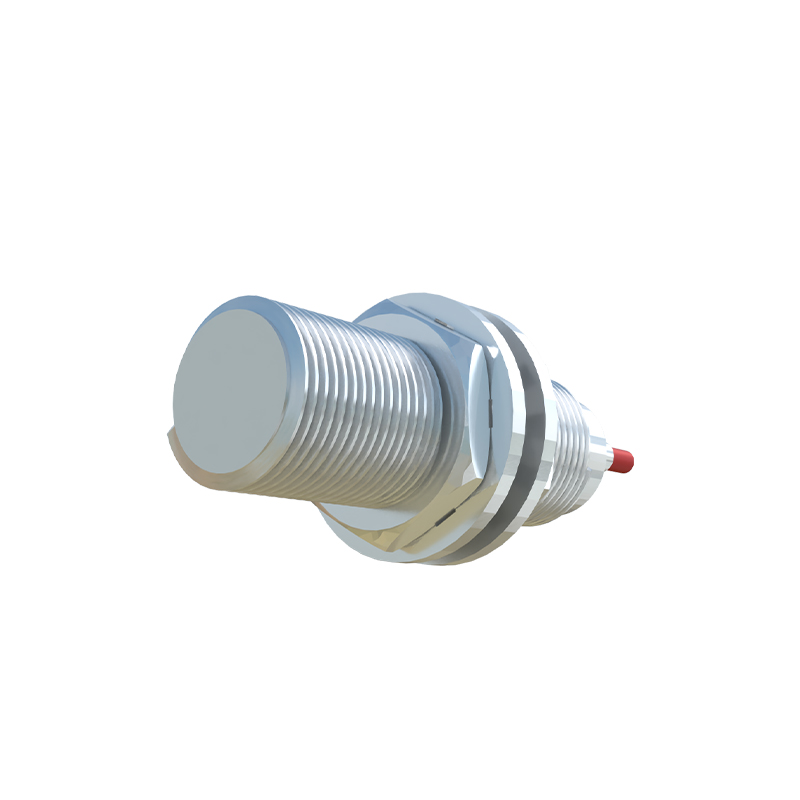
Stability is non-negotiable in precision automation, and the E2EX series excels in this domain. One of its standout characteristics is the minimal sensing distance drift over a wide temperature range. This is achieved through sophisticated temperature compensation circuits within the ASIC. Whether in a cold storage facility or near a hot machining process, the sensor maintains consistent performance. Additionally, the series often includes models with a "Red LED" indicator that shows both the power status and the stability of the detection area. This visual feedback allows for easier setup, troubleshooting, and maintenance, ensuring the sensor is operating within its optimal parameters and reducing downtime caused by false triggers or missed detections.
Durability and Robust Construction
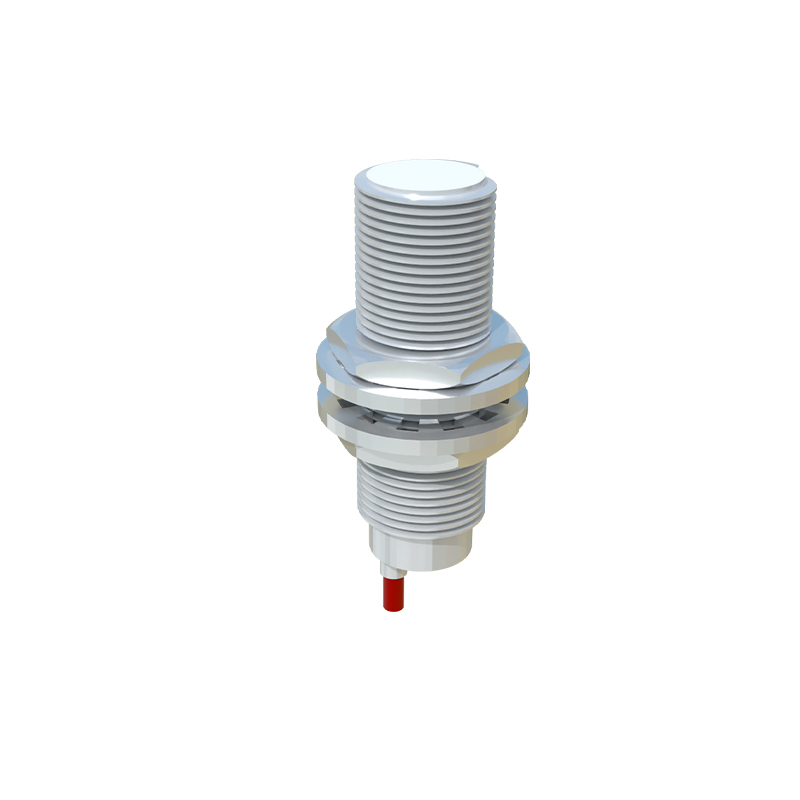
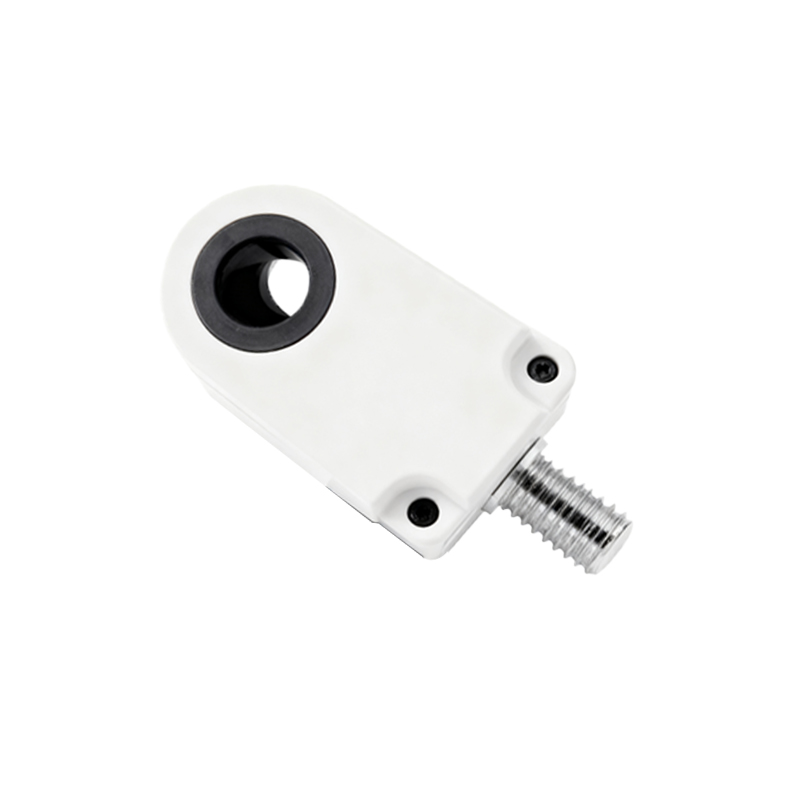
Industrial sensors face harsh realities: physical impacts, chemical exposure, and continuous operation. The E2EX is engineered to endure. Its housing is typically constructed from high-grade nickel-plated brass or stainless steel, offering excellent corrosion resistance. The potted electronics are shielded from moisture and conductive dust, ensuring functional integrity. The sensing face is made of a specially formulated material that resists wear from repeated contact with detected objects. This rugged design translates directly into a longer service life and reduced total cost of ownership, as the sensors require less frequent replacement and can reliably function in environments where lesser models would fail prematurely.
Wiring, Output Configurations, and Compatibility
Ease of integration is a major consideration. The E2EX series provides flexible wiring options, including pre-wired cables and connector types, facilitating straightforward installation into control panels and machinery. Output configurations are versatile, with both NPN (sinking) and PNP (sourcing) transistor outputs available to seamlessly interface with a broad spectrum of Programmable Logic Controllers (PLCs) and other control systems. Some models also feature short-circuit and reverse polarity protection, safeguarding both the sensor and the connected circuitry from accidental wiring errors. This plug-and-play compatibility minimizes installation time and complexity, accelerating system deployment.
Application Scenarios in Modern Industry
The utility of the E2EX sensors spans countless applications. In automotive manufacturing, they precisely detect piston positions or verify the presence of metal components on a conveyor. In packaging machinery, they count metal lids or control the filling level by sensing a metallic actuator. On semiconductor production lines, they ensure the precise positioning of wafer cassettes. Their reliability makes them ideal for critical safety interlocks on machine guards. Essentially, anywhere there is a need for fast, accurate, and non-contact detection of ferrous or non-ferrous metals, the E2EX provides a trusted and effective solution that enhances overall equipment effectiveness (OEE).
Selection Guidelines and Best Practices
Selecting the correct E2EX model is crucial for optimal performance. Key factors include the required sensing distance, the target material (steel, aluminum, brass, etc.), the physical size constraints of the installation space, and the required output type. It is also vital to consider the environmental conditions, such as ambient temperature and potential exposure to chemicals. For best results, ensure the sensor is mounted securely without misalignment, and maintain the recommended clearance from surrounding metal objects (flush-mountable models are available for restricted spaces).