Introduction to Reflective Photoelectric Sensors
Reflective photoelectric sensors are a cornerstone of modern industrial automation, offering non-contact detection of objects. Among the various types, the mirror surface reflective sensor stands out for its precision and reliability. This sensor operates by emitting a beam of light, typically from an LED or laser diode, towards a highly reflective surface, such as a specialized mirror or retroreflector. The light beam is then reflected back to the receiver component within the same sensor housing. When an object interrupts this beam, the sensor detects the change in the received light intensity and triggers an output signal. This fundamental principle enables the detection of objects without physical contact, making it ideal for applications where contamination, wear, or mechanical impact is a concern. The mirror surface, often a precision-engineered retroreflective tape or a corner-cube prism, ensures that the light is reflected directly back to its source, significantly enhancing signal strength and detection range compared to diffuse reflection methods.
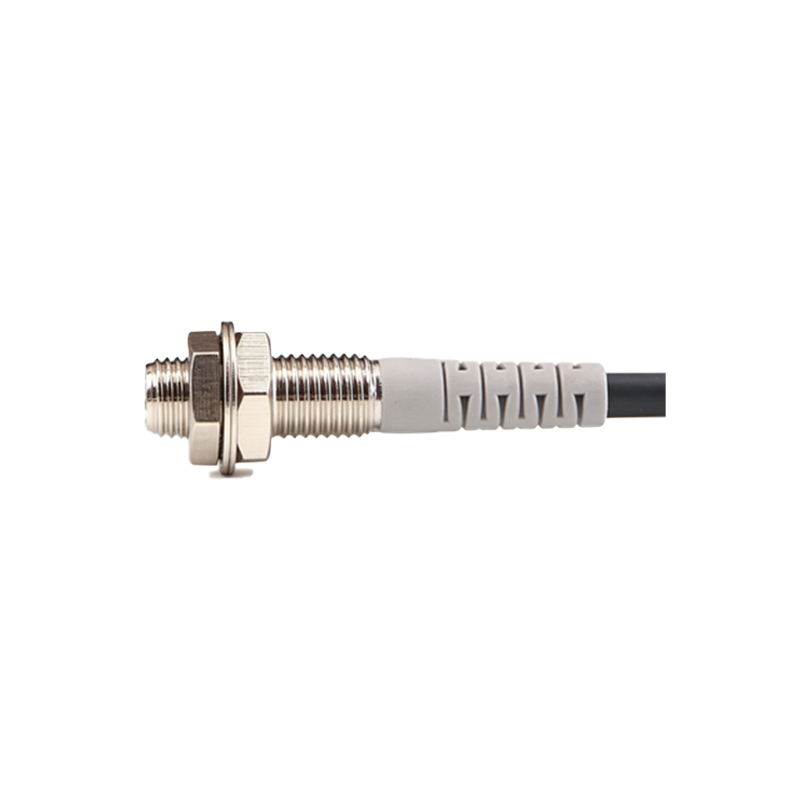
Core Working Principle and Components
The operation of a mirror surface reflective photoelectric sensor hinges on the precise interplay of its key components. The emitter generates a modulated light beam, usually infrared or visible red, to minimize interference from ambient light. This beam is projected towards a dedicated reflector. The reflector is not a simple mirror but is designed with a retroreflective surface, composed of many tiny corner cubes or specialized prismatic tape. This surface has the unique property of reflecting light directly back to its source over a wide range of incident angles. The receiver, a phototransistor or photodiode, is positioned adjacent to the emitter. It constantly monitors for the return signal. An internal circuit processes this signal, comparing it to a predefined threshold. The sensor's output—typically a transistor (NPN/PNP) or relay—switches state when the beam is broken, indicating the presence of an object. Advanced models incorporate background suppression technology or polarized filters to ignore reflections from shiny objects that might otherwise cause false triggers.
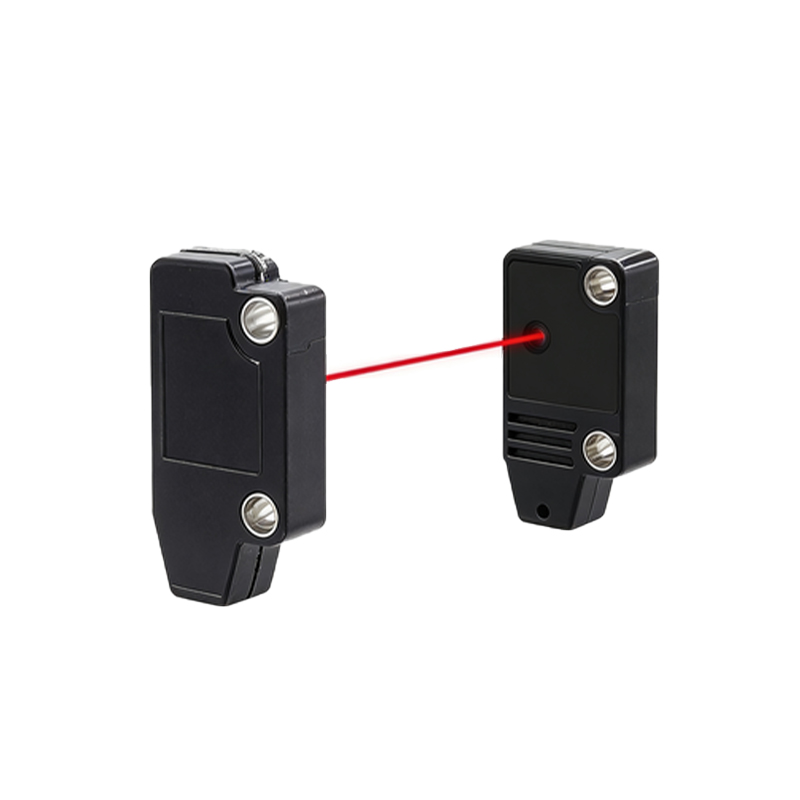
Key Advantages in Industrial Settings
Mirror surface reflective sensors offer several distinct advantages that make them preferred in demanding industrial environments. First, they provide a long sensing range, often several meters, which is superior to diffuse reflection sensors. This allows for the detection of objects at a greater distance, enabling more flexible machine design. Second, they exhibit high stability and reliability. Because they rely on the interruption of a consistent beam reflected from a fixed target, they are less susceptible to variations in the color, texture, or material of the object being detected. This results in fewer false readings. Third, they are highly energy-efficient. The strong retroreflected signal requires less emitter power to achieve reliable detection over distance. Finally, their setup and alignment, while requiring initial precision for the reflector placement, are generally straightforward and maintain calibration over long periods, reducing maintenance downtime.
Common Applications and Use Cases
The applications for these sensors span numerous industries. In material handling and packaging, they are ubiquitous for detecting the presence of boxes on conveyors, monitoring pallet positions, and ensuring correct stacking heights. In the automotive sector, they are used for part positioning in assembly robots and for verifying the open/closed status of doors or hoods on production lines. Within automated storage and retrieval systems (AS/RS), they play a critical role in verifying the position of shuttles and ensuring safe travel limits. They are also employed in security systems as part of safety light curtains or perimeter intrusion detection beams. A specific and critical use case is in elevator systems, where they are used to detect obstructions in doorways, ensuring passenger safety. Their ability to function reliably in environments with dust, mild moisture, or vibration makes them versatile solutions.
Critical Selection Criteria and Installation Tips
Selecting the right mirror surface reflective sensor requires careful consideration of several parameters. The sensing range must exceed the actual required distance with a safety margin. The response time must be fast enough to detect objects moving at the line speed. The housing material (e.g., metal or plastic) and ingress protection (IP) rating must suit the environmental conditions, such as exposure to washdowns, oils, or chemicals. The type of electrical output (e.g., NPN sinking, PNP sourcing, analog) must be compatible with the controller (PLC). For installation, precise alignment between the sensor and the reflector is paramount. Using a manufacturer-approved reflector designed for the specific sensor model ensures optimal performance. The sensor and reflector should be mounted on stable surfaces to prevent misalignment from vibration. It is also crucial to consider the "blind zone"—the minimum distance from the sensor face within which an object cannot be reliably detected—when planning the layout.
Maintenance and Troubleshooting Guidelines
Regular maintenance ensures long-term sensor performance. The most common issue is the accumulation of dirt, dust, or grime on the sensor's lens or the reflector surface, which attenuates the light beam. Both should be cleaned periodically with a soft, lint-free cloth. Avoid using abrasive cleaners. Check for physical damage to the housing or cabling. If a sensor fails, a systematic approach to troubleshooting is recommended. First, verify power supply voltage. Second, check the alignment between the sensor and reflector; a simple realignment often resolves issues. Third, use the sensor's built-in indicator LED (if available) to see if it detects the reflected beam. Fourth, ensure that no highly reflective object in the background or foreground is causing interference. Finally, consult the sensor's manual for diagnostic modes or error codes. Replacing a faulty reflector is sometimes necessary if it becomes scratched or degraded.