Understanding Photoelectric Sensor Fundamentals
Photoelectric sensors are indispensable components in modern industrial automation, offering non-contact detection of objects based on the modulation of light. At their core, these devices consist of an emitter (light source) and a receiver. The emitter projects a light beam, and the receiver detects changes in this beam caused by the presence, absence, or characteristics of a target object. The primary advantage lies in their ability to detect a wide variety of materials—metals, plastics, glass, and liquids—from a considerable distance without physical contact, thereby minimizing wear and tear. The performance of a sensor is fundamentally governed by its operating principle, which dictates its suitability for specific applications. Choosing the "better" sensor is not about a single universal winner, but about matching the sensor's technology to the environmental conditions, target properties, and required precision of the task.
Key Technologies: Diffuse, Retro-reflective, and Through-beam

The three main operating modes define the capabilities and limitations of photoelectric sensors. Through-beam sensors, featuring separate emitter and receiver units, offer the longest sensing ranges and highest reliability. They detect an object when it interrupts the direct beam between the two units. This mode is excellent for precise detection in challenging environments but requires installation and alignment of two separate devices. Retro-reflective sensors house both emitter and receiver in a single housing, relying on a reflector to bounce the light beam back. They provide a good balance of range and convenience, though highly reflective or shiny objects can sometimes cause false triggers. Diffuse (or proximity) sensors also have a combined emitter and receiver, but they detect light reflected directly off the target object itself. This makes them compact and easy to install, but their sensing range is shorter and more susceptible to the target's color, texture, and reflectivity.
Critical Selection Criteria for Optimal Performance
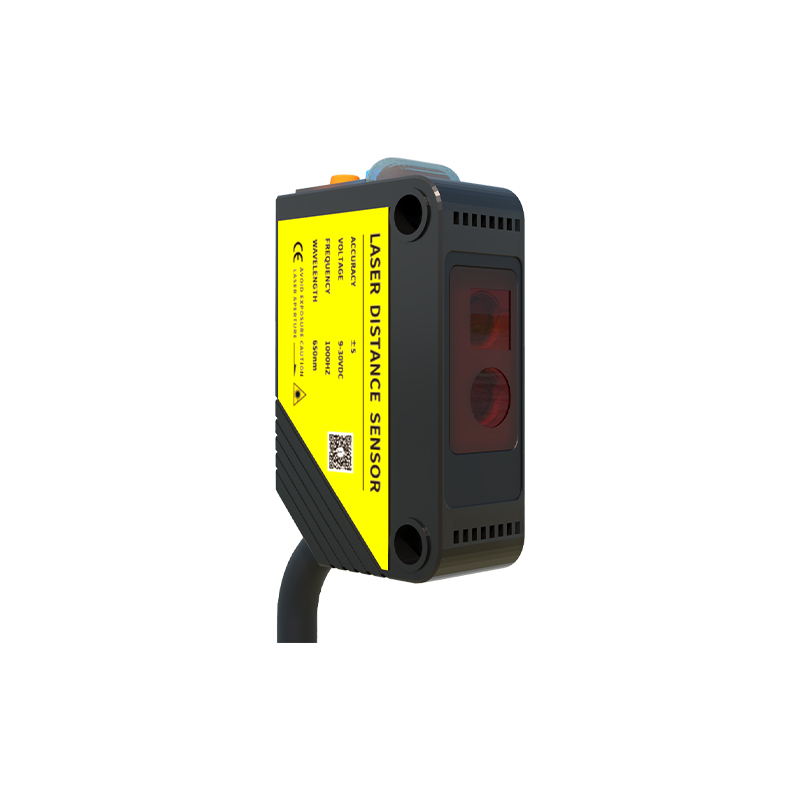
Selecting the superior sensor requires a detailed analysis of the application parameters. First, consider the sensing distance required. Through-beam sensors excel for long ranges (often over 10 meters), while diffuse sensors are typically limited to shorter distances. Second, evaluate the target characteristics: size, color, material, and surface finish. A dark, matte object may be invisible to a standard diffuse sensor but easily detected by a through-beam. For transparent object detection, specialized polarized or background suppression sensors are necessary. Third, the operating environment is paramount. Factors like ambient light (sunlight, welding arcs), dust, fog, vibration, and temperature extremes can severely impact performance. Sensors with robust housings (IP67/IP69K ratings), high-intensity modulated LED light sources (to combat ambient light), and specialized lenses are essential for harsh conditions.
Advanced Features and Specialized Sensor Types
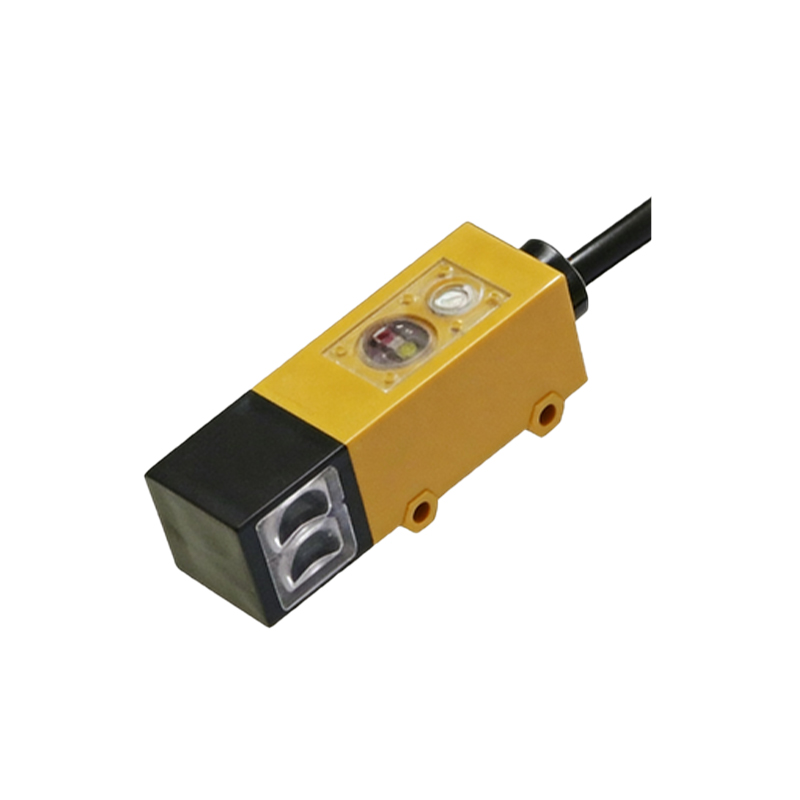
Beyond the basic modes, advanced photoelectric sensors incorporate features that solve complex detection challenges. Background suppression sensors use triangulation to detect objects only within a precise, defined distance, ignoring objects and surfaces beyond that range, which is ideal for consistent detection regardless of target color. Contrast sensors are designed to detect differences in color or grayscale values, perfect for label detection or sorting. Luminescence sensors detect the presence of materials that glow under UV light. Fiber optic sensors separate the amplifier from the sensing head via flexible light-conducting cables, allowing detection in extremely hot, cold, or space-constrained locations. The choice of light source—red LED, laser, infrared, or visible green—also plays a critical role in detection accuracy for specific materials.
Industry Applications and Best Practices
The "better" sensor is defined by its application. In packaging, diffuse sensors with background suppression reliably detect transparent films and bottles on high-speed lines. In material handling, through-beam sensors form safety light curtains and count boxes on conveyors over long spans. Retro-reflective sensors are commonly used for door control and pallet presence detection in logistics. Automotive assembly lines rely on rugged, precise sensors for robot guidance and part verification. Best practices for installation include ensuring stable mounting to prevent misalignment, avoiding optical interference from reflective surfaces, performing regular lens cleaning in dirty environments, and thoroughly testing the sensor with the actual target material under real operating conditions before final deployment.
Conclusion: The Context-Defines "Better"
There is no single "best" photoelectric sensor. A through-beam sensor might be objectively superior for long-range, reliable object interruption, but it would be a poor choice for a simple proximity task where a compact, inexpensive diffuse sensor is optimal. The decision-making process must be systematic: define the object, environment, required output, and physical constraints first. Then, select the operating principle (through-beam, retro-reflective, diffuse) that fits. Finally, specify the necessary features: housing material, connection type, light source, and special functions like teach-in or IO-Link communication for smart sensor capabilities. By rigorously applying this selection methodology, engineers and technicians can consistently choose the photoelectric sensor that delivers superior performance, reliability, and value for their specific industrial application.