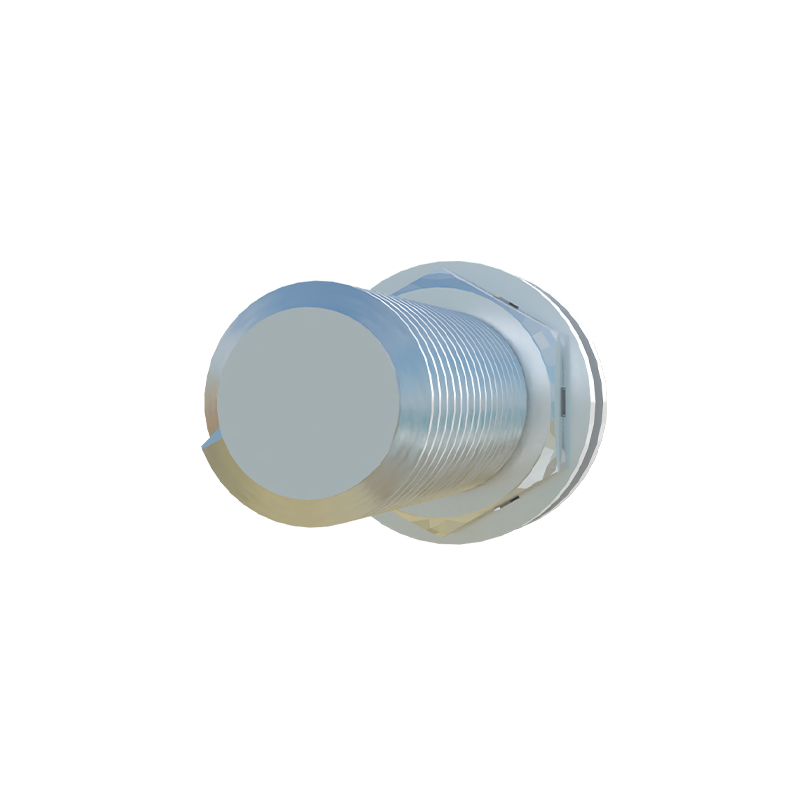
Understanding Infrared Proximity Sensors
Infrared proximity sensors are widely used in industrial automation, robotics, and consumer electronics for non-contact detection of objects. These sensors operate by emitting infrared light and measuring the reflection from a target. The key advantages include high precision, reliability in various environmental conditions, and immunity to ambient light interference when properly designed. Common applications range from object counting on conveyor belts to touchless interfaces in devices. Selecting the right model depends on factors like detection range, output type, and environmental robustness.
Key Specifications to Consider
When evaluating infrared proximity sensor models, several specifications are critical. Detection distance, typically ranging from 2 cm to 5 meters, defines the operational scope. Response time, often between 0.5 ms to 10 ms, impacts system speed. Output types include digital (e.g., NPN/PNP) or analog (e.g., 0-10V, 4-20mA), suited for different control systems. Supply voltage, commonly 5V DC or 12-24V DC, must match the application's power source. Additionally, factors like beam pattern (spot or diffuse), operating temperature (-25°C to 70°C), and housing material (e.g., ABS, stainless steel) ensure durability in harsh settings.
Popular Model Series Overview
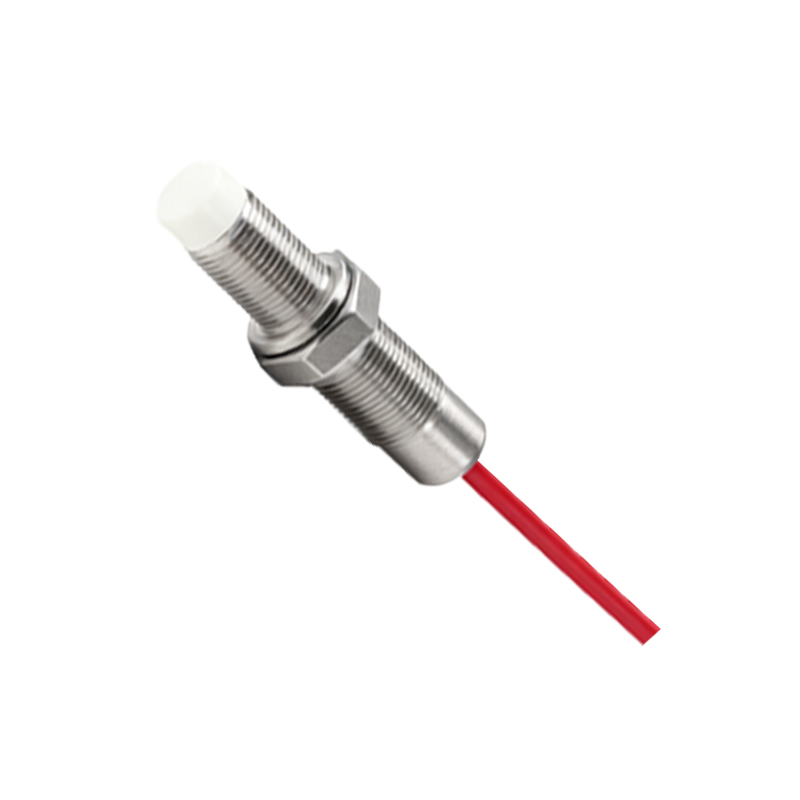
Leading manufacturers offer diverse series to meet specific needs. For instance, the Omron E3Z series provides compact designs with sensing distances up to 1 meter, ideal for packaging machinery. The Pepperl+Fuchs ML series features background suppression for precise detection within 20-200 mm, suitable for robotic arms. Banner Engineering QS18 series excels in long-range detection up to 5 meters, used in material handling. Each series includes variants with adjustable sensitivity, built-in amplifiers, or IO-Link connectivity for Industry 4.0 integration. Comparing these models helps optimize performance and cost.
Integration and Calibration Tips
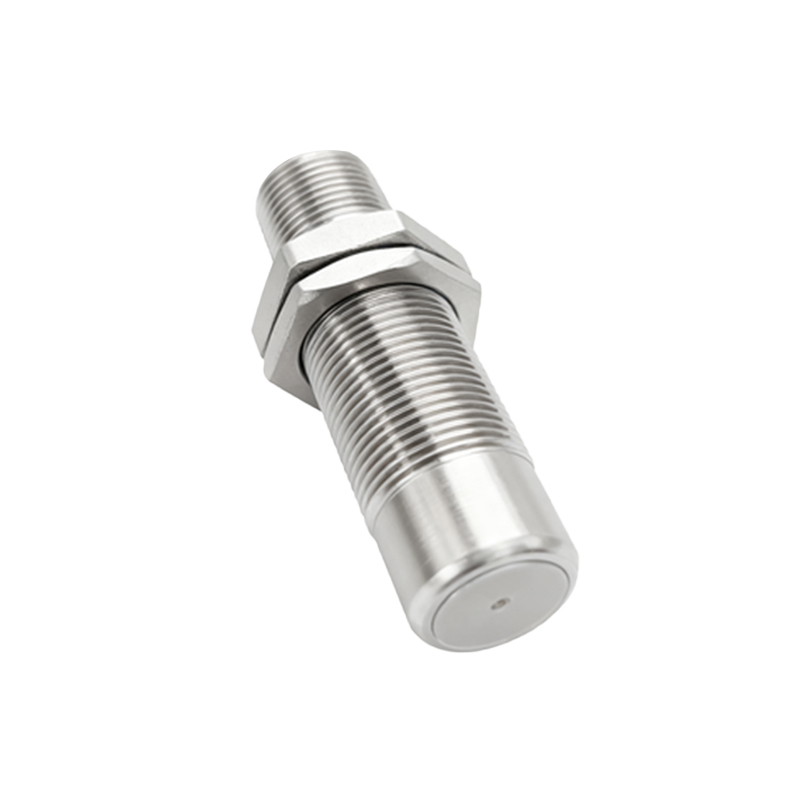
Proper integration maximizes sensor efficiency. Mount sensors perpendicular to targets to avoid angular errors, and ensure clean lenses free from dust or debris. Calibration involves adjusting sensitivity potentiometers or using teach-in functions to set detection thresholds, minimizing false triggers from reflective surfaces. For analog outputs, calibrate scaling to match controller input ranges. In networked setups, configure parameters like hysteresis and response delay via software tools. Regular maintenance, including periodic testing with standard targets, ensures consistent operation over time.
Future Trends and Innovations
Advancements in infrared proximity sensors focus on miniaturization and smart features. New models incorporate AI algorithms for adaptive sensing, reducing manual tuning. Enhanced materials improve resistance to extreme temperatures and chemicals. Wireless versions with low-power designs enable IoT applications in smart agriculture and logistics. Additionally, integration with LiDAR and vision systems creates hybrid solutions for complex environments. As industries adopt more automation, these innovations will drive higher accuracy and connectivity, making sensors integral to smart factories and autonomous systems.