Understanding Photoelectric Sensor Technology in Injection Molding
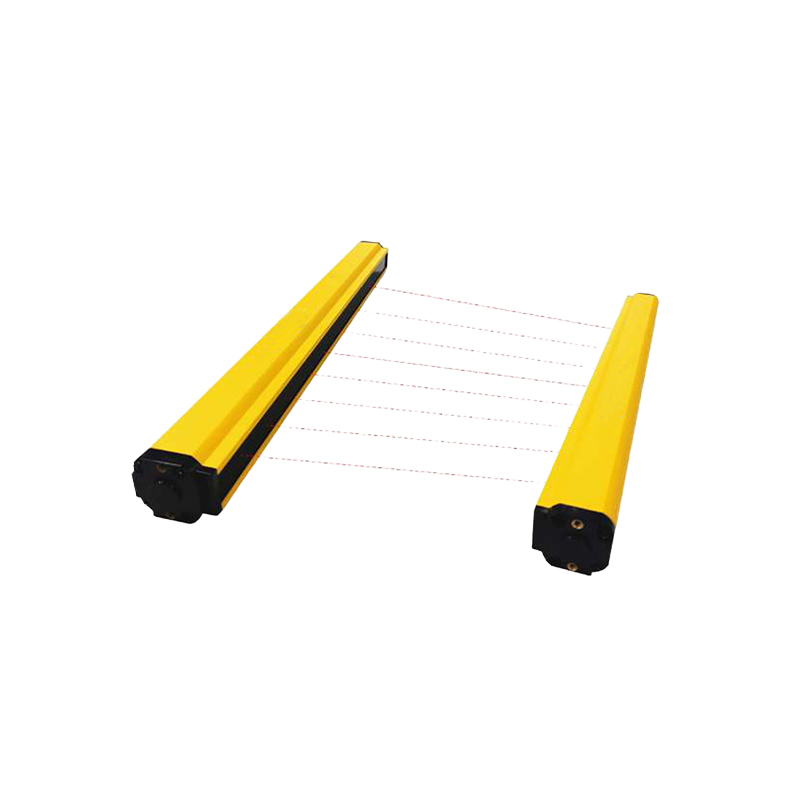
Photoelectric sensors are critical components in modern injection molding machines, providing non-contact detection and precise positioning. These sensors operate by emitting a light beam, typically infrared, visible red, or laser, and detecting changes in the received light. In the context of injection molding, they are primarily used for part ejection verification, mold protection, material level detection, and safety guarding. The integration of high-quality photoelectric sensors enhances machine reliability, reduces downtime from mold damage, and ensures consistent production quality. Their ability to detect objects regardless of material color or surface finish (with some limitations) makes them superior to many mechanical limit switches in the harsh, oily environment of a molding shop.
Key Factors Influencing Machine Pricing
The price of an injection molding machine equipped with photoelectric sensors is not a single figure but a spectrum determined by multiple interconnected factors. The core determinant is the machine's clamping force, measured in tons. Prices scale significantly from small desktop machines (under 50 tons) to large industrial models (over 1000 tons). Next, the type and sophistication of the photoelectric sensing system itself add cost. Basic through-beam sensors are less expensive than advanced diffuse-reflective or background suppression models with programmable logic. Machine brand and origin (European, Japanese, North American, or Chinese) heavily influence price due to differences in perceived quality, durability, and after-sales support. Finally, the level of automation integration—whether the sensors are part of a basic setup or a fully networked Industry 4.0 solution with IoT capabilities—creates a substantial price differential.
Price Range Breakdown by Machine Type
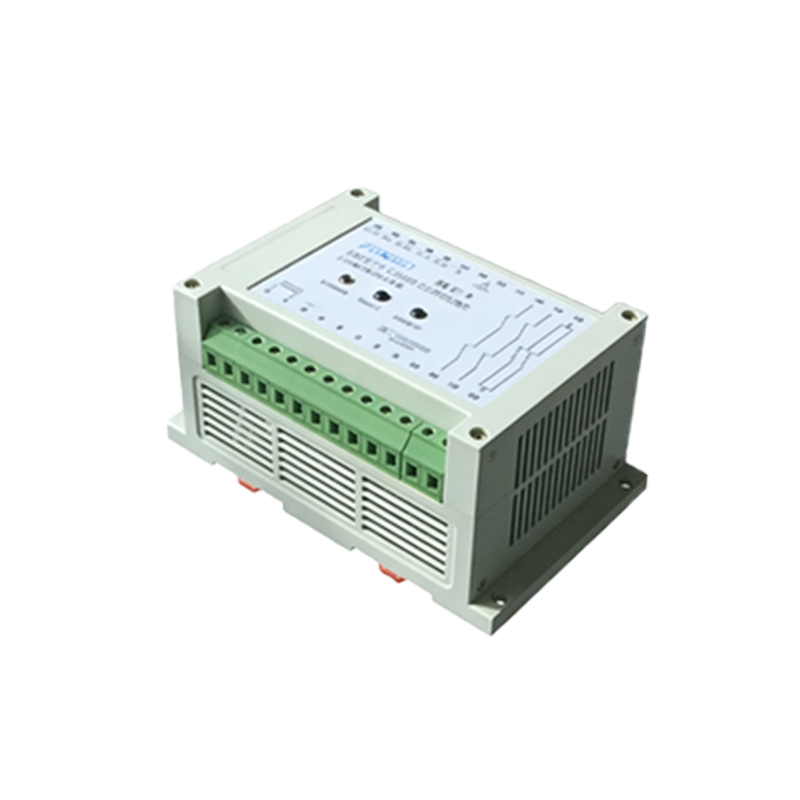
Providing exact prices is challenging due to market fluctuations, but general ranges can be outlined. For small, benchtop machines (10-50 ton clamp) with basic photoelectric part detection, prices can start from $10,000 to $30,000. Mid-range machines (50-300 tons), which form the backbone of many job shops, with robust sensor systems for mold safety and ejection, typically range from $30,000 to $120,000. Large-scale production machines (300-1000+ tons) featuring comprehensive sensor arrays for every critical process point can cost anywhere from $150,000 to over $500,000. It is crucial to note that these figures are for the base machine. The photoelectric sensor packages, often from third-party specialists like Keyence, Banner, or SICK, can add hundreds to several thousand dollars per sensing point, depending on complexity.
Cost of Ownership Beyond the Initial Purchase
A savvy buyer must evaluate the Total Cost of Ownership (TCO). A machine with a higher initial price but featuring durable, high-grade photoelectric sensors may offer lower TCO. Factors include sensor longevity and resistance to contamination (dust, oil mist), which reduces maintenance and replacement costs. Energy efficiency of the overall machine, often monitored by sensor systems, impacts long-term utility expenses. Furthermore, the precision and reliability of the sensors directly affect scrap rates and production yield. Inaccurate detection leading to mold crashes or undetected defective parts can be catastrophically expensive. Therefore, investing in a superior sensing system is an investment in risk mitigation and operational efficiency.
Selecting the Right Sensor-Machine Combination
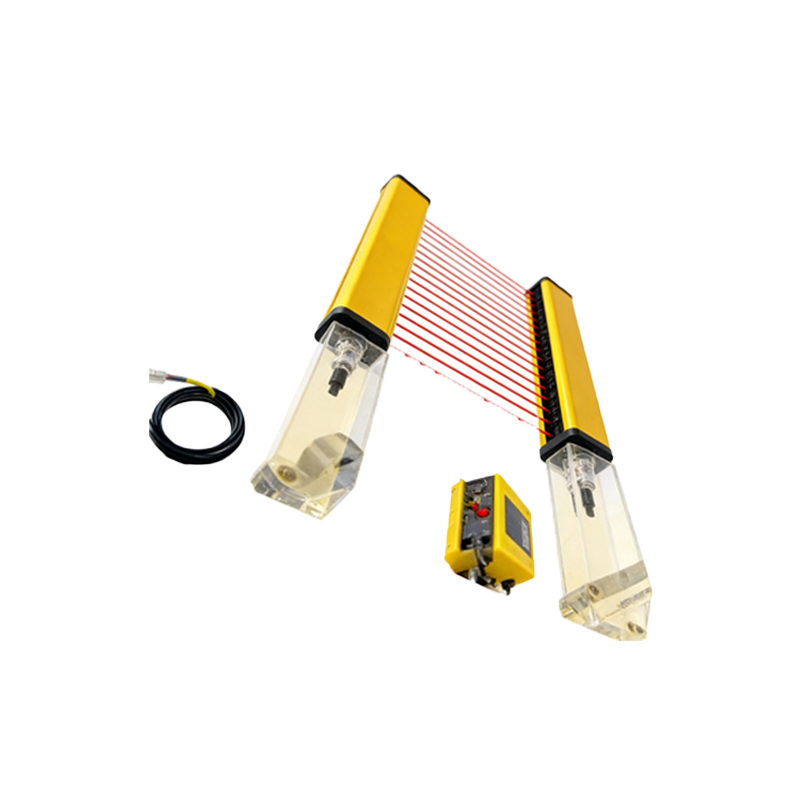
Selection should be driven by application needs, not just price. First, define the sensing task: Is it for detecting transparent parts, ensuring an empty mold, or monitoring granulate level? This dictates the sensor type (e.g., polarized retro-reflective for clear objects). Consider the sensing range and environmental conditions like temperature, humidity, and airborne contaminants. Evaluate the machine controller's compatibility—can it easily interface with the sensor's output signal (PNP/NPN, analog, IO-Link)? For high-mix production, flexibility and easy reprogramming of sensors are valuable. Always request a live demonstration using your specific part or a comparable material to verify performance before purchase.
The Impact of Automation and Smart Manufacturing Trends
The trend towards fully automated, lights-out molding cells is elevating the importance and cost of sensor systems. Modern photoelectric sensors are becoming smarter, with built-in diagnostics, predictive maintenance alerts, and direct data communication to MES (Manufacturing Execution Systems). Machines advertised as "Industry 4.0 ready" will have a price premium reflecting this advanced sensor and communication infrastructure. While increasing the initial investment, these smart sensors provide invaluable data for optimizing cycle times, predicting failures, and ensuring traceability, offering a rapid return on investment through unprecedented levels of process control and efficiency.
Conclusion: Balancing Performance with Budget
There is no universal "best" machine based on price alone. The optimal photoelectric sensor injection molding machine represents a strategic balance between upfront capital expenditure and long-term operational performance. Prioritize machines from reputable manufacturers that offer the sensor technology robust enough for your specific environment and precision requirements. Thoroughly analyze the TCO, factoring in potential savings from reduced downtime and higher quality output. Ultimately, the goal is to select a system where the photoelectric sensors act not as a mere cost component, but as a pivotal technology ensuring the machine's productivity, safety, and profitability for years to come.