Introduction to Proximity Sensing
Proximity sensors are a cornerstone of modern industrial automation and electronic systems. These non-contact devices detect the presence or absence of an object within a defined sensing range without any physical contact. The fundamental principle involves emitting a field or beam of electromagnetic radiation and looking for changes in the field or return signal. This capability makes them invaluable in environments where reliability, speed, and durability are paramount. Unlike mechanical limit switches, proximity sensors have no moving parts, leading to longer operational life, higher switching rates, and resistance to contamination from dust, oil, and other industrial debris. Their integration spans from simple object detection on conveyor belts to complex positioning tasks in robotics and safety interlocks in machinery.
Primary Types of Proximity Sensors
The technology behind proximity sensors is diverse, with each type suited for specific materials and applications. Inductive proximity sensors are the most common in industrial settings. They generate an electromagnetic field and detect the eddy current losses caused when a metallic target enters this field. They are exclusively for detecting metals, with sensing ranges varying based on the metal type. Capacitive proximity sensors can detect both metallic and non-metallic materials like liquids, plastics, wood, and granules. They function by measuring changes in capacitance between the sensor and the target object. Ultrasonic sensors use sound waves beyond human hearing. They calculate distance by measuring the time between emitting a sound pulse and receiving its echo, making them excellent for level detection and presence sensing of varied materials, even in challenging environments. Photoelectric sensors, while sometimes categorized separately, function as proximity devices using light beams (visible, infrared, or laser) to detect objects.
Key Operating Characteristics and Specifications
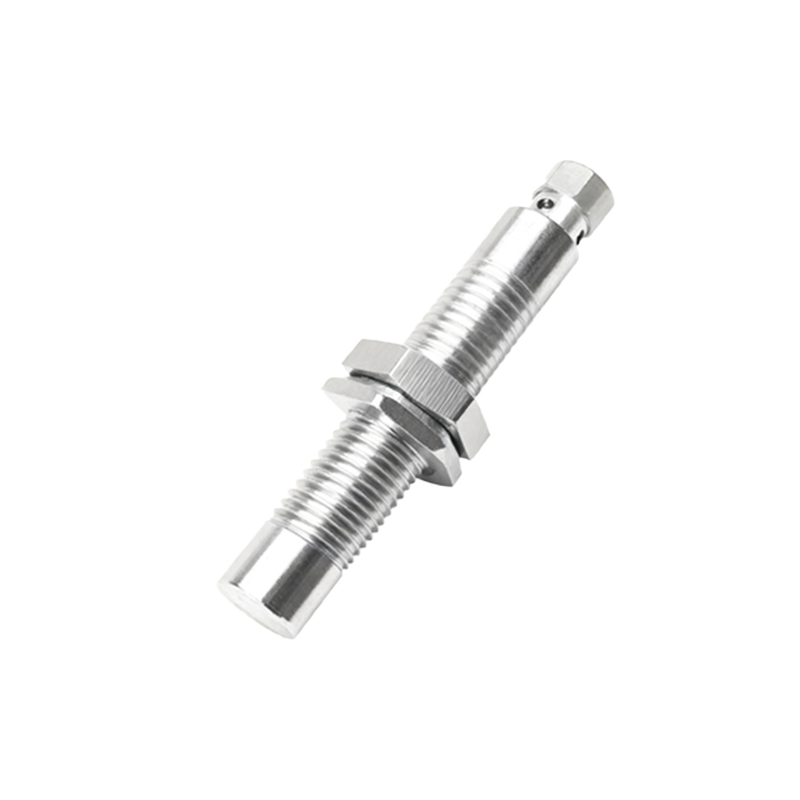
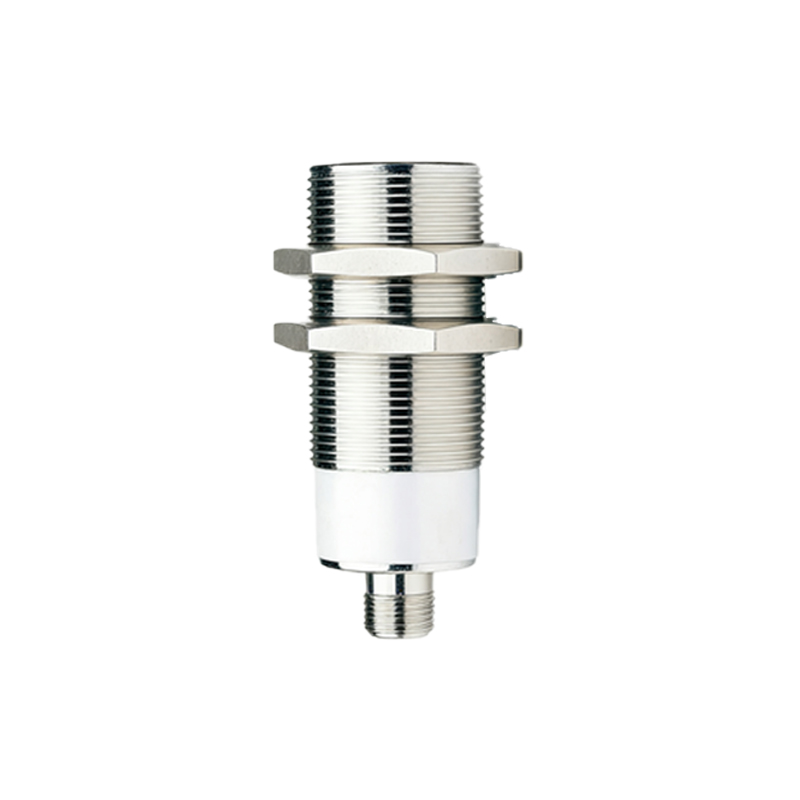
Selecting the right sensor requires understanding its key specifications. The sensing range, or nominal range (Sn), is the maximum distance at which a standard target can be reliably detected. It is crucial to note that for inductive sensors, this range can reduce for non-ferrous metals like aluminum or copper. The hysteresis is the difference between the switch-on and switch-off points, providing noise immunity and preventing chatter when a target is at the edge of the sensing range. Response frequency indicates how many sensing operations per second the sensor can perform, critical for high-speed applications. Environmental factors like temperature ratings, housing material (often nickel-plated brass or stainless steel), and ingress protection (IP) ratings against dust and water are vital for ensuring longevity in harsh industrial conditions. Output types include NPN (sinking), PNP (sourcing), analog (4-20mA, 0-10V), and IO-Link for digital communication.
Industrial Applications and Use Cases
The applications for proximity sensors are virtually limitless within automation. In manufacturing, they are used for part counting, jam detection, and end-of-travel positioning on machine tools. Inductive sensors are ubiquitous on CNC machines for tool positioning and on robotic arms for end-effector confirmation. Capacitive sensors monitor fill levels in tanks containing liquids or powders. In the automotive industry, arrays of sensors ensure proper assembly by verifying the presence of components like pistons, bearings, or fasteners. They also play a critical role in safety, acting as interlock switches on guarding systems to halt machinery when a door is opened. Beyond heavy industry, they are found in consumer electronics (smartphone screen turn-off during calls), elevators for floor leveling, and anti-collision systems in vehicles.
Installation and Wiring Considerations
Proper installation is key to optimal performance. A primary concern is sensor mounting. Flush-mountable sensors can be installed embedded in metal without affecting their sensing range, whereas non-flush sensors require a clearance zone around the sensing face for proper field distribution. Mutual interference can occur when multiple inductive sensors are mounted closely; maintaining a minimum distance as specified by the manufacturer is essential. Electrical wiring must follow the datasheet guidelines, paying close attention to the load (relay, PLC input, etc.), wire gauge, and the need for surge protection in circuits with inductive loads like solenoids or motors. For DC sensors, correct polarity must be observed, and for 3-wire devices, the brown wire is typically positive (+V), blue is negative (0V), and black is the switched output signal.
Guide to Selection and Troubleshooting
The selection process begins with defining the target material. For metals only, choose an inductive sensor. For all other materials, including metals, a capacitive or ultrasonic sensor is appropriate. Next, determine the required sensing distance, adding a safety margin of 10-20%. Consider the output type needed to interface with your controller (PLC). The housing shape (barrel, rectangular, ring) is chosen based on mounting constraints. For troubleshooting,