Introduction to Photoelectric Sensors
Photoelectric sensors are indispensable components in modern industrial automation, widely used for object detection, positioning, and counting. The Y45 series, in particular, is renowned for its robust design, reliable performance, and adaptability in challenging environments. These sensors operate by emitting a light beam—typically infrared, visible red, or laser—and detecting changes in the received light intensity caused by the presence or absence of a target object. Their non-contact nature makes them ideal for applications where physical wear or contamination is a concern, such as in packaging, material handling, and assembly lines. Understanding their fundamental working principle is the first step in diagnosing any operational anomalies, including the perplexing issue of constant illumination.
The Phenomenon of Constant Illumination in Y45 Sensors
A "constant illumination" or "always-on" state in a Y45 photoelectric sensor refers to a condition where the sensor's output signal remains activated (e.g., the output LED is continuously lit, and the relay or transistor output is persistently energized) even when no target object is within its detection range. This is contrary to its normal operation, where the output should only activate upon correctly sensing a target. This malfunction can lead to significant disruptions in automated processes, causing machinery to operate incorrectly, halt production lines, or generate false counts. It is a critical fault that requires prompt attention to prevent downtime and potential safety hazards.
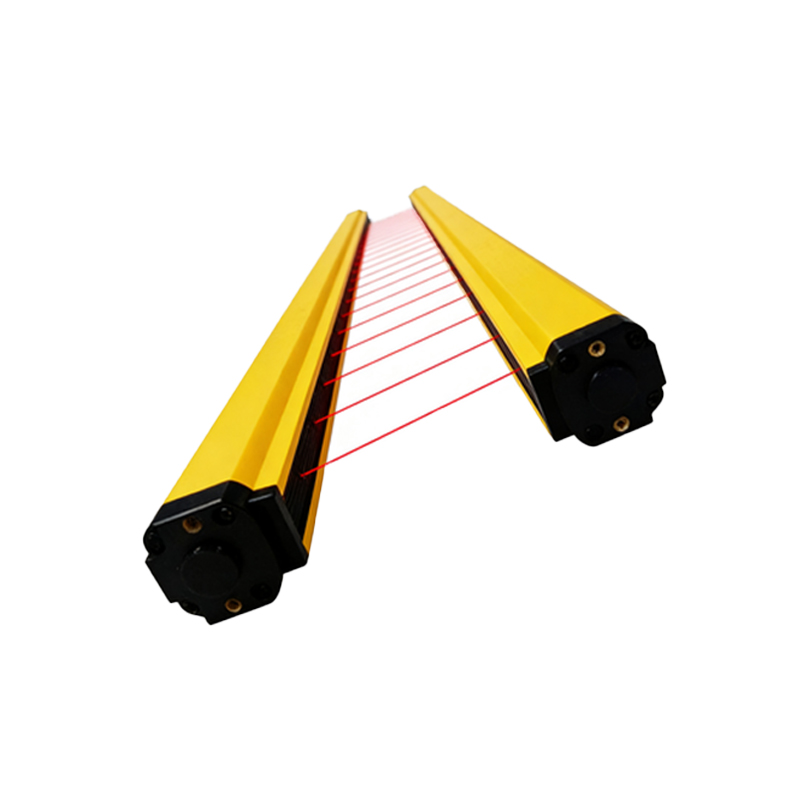
Primary Causes of Constant Illumination
Several factors can trigger the Y45 sensor to enter a constant illumination state. The most common cause is external optical interference. This includes ambient light from factory lighting (especially strobe or high-intensity discharge lights), sunlight, or reflections from shiny surfaces like metal or polished floors entering the receiver. Another frequent culprit is sensor misalignment. Even a slight deviation from the optimal alignment between the emitter and receiver (in through-beam types) or the reflector (in retro-reflective types) can cause the receiver to perceive a constant light signal. Internal component failure is also a possibility. Degradation of the emitter (LED/laser diode), receiver (phototransistor/photodiode), or the signal processing circuitry over time can lead to erroneous output states. Finally, electrical issues such as voltage spikes, improper wiring, or ground loops can disrupt the sensor's internal logic.
Step-by-Step Troubleshooting Guide
Systematic troubleshooting is essential to resolve the constant illumination issue efficiently. Begin by performing a visual inspection. Check for physical damage, dirt, dust, or condensation on the sensor's lens. Clean the lens carefully with a soft, lint-free cloth. Next, evaluate the environment. Shield the sensor from strong ambient light sources and eliminate potential reflective surfaces in the detection path. For through-beam and retro-reflective sensors, verify the alignment meticulously. Use the sensor's alignment indicators if available. A simple test is to temporarily block the light path completely with an opaque object; if the output remains on, the problem is likely not alignment-related. Test the electrical supply. Ensure the operating voltage is stable and within the sensor's specified range (e.g., 10-30V DC). Check all wiring connections for looseness or shorts. If possible, test the sensor with a known-good power supply and load. Finally, consult the sensor's manual to understand its specific operating modes (light-on/dark-on) and timing functions, as an incorrect configuration might mimic a fault.
Advanced Diagnostics and Solutions
If basic troubleshooting does not identify the cause, more advanced steps are necessary. Use an oscilloscope to monitor the sensor's output signal and, if accessible, the received light signal. This can reveal issues like noise or an unstable received signal. For sensors with sensitivity adjustments, try reducing the sensitivity setting. A setting that is too high can cause the sensor to detect background noise or faint reflections as a valid signal. Consider installing light-shielding tubes or hoods around the sensor to block stray light. For areas with extreme ambient light, select a sensor model with a modulated light source (often pulsed infrared), which is inherently resistant to interference from constant ambient light. In cases of persistent electrical noise, installing ferrite cores on the cables or using shielded cables with proper grounding can be effective. If all else fails, the sensor may have an internal fault requiring repair or replacement.
Preventive Maintenance Best Practices
Preventing the constant illumination issue is more efficient than troubleshooting it. Implement a regular maintenance schedule that includes cleaning sensor lenses and checking for physical integrity. During installation, carefully plan the sensor's location to minimize exposure to ambient light, reflections, and environmental contaminants like oil or coolant mist. Always use the correct mounting hardware and ensure secure, vibration-resistant installation to prevent gradual misalignment. Adhere strictly to the manufacturer's wiring guidelines, using recommended cable types and lengths. Periodically verify the alignment and sensitivity settings as part of routine machine checks. Keeping a log of sensor performance and any environmental changes can also help in predicting and preventing future failures.
Conclusion and Key Takeaways
The constant illumination of a Y45 photoelectric sensor is a solvable problem that stems from identifiable causes, primarily optical interference, misalignment, or electrical issues. A methodical approach to diagnosis—starting with simple checks and progressing to more complex tests—is crucial for a swift resolution. Understanding the sensor's operating principle and its interaction with the environment is key to both troubleshooting and prevention. By implementing robust installation practices and a proactive maintenance regimen, engineers can ensure the long-term, reliable operation of Y45 sensors, thereby maintaining the efficiency and safety of automated industrial systems. When in doubt, always refer to the official technical documentation for model-specific guidance.