Understanding Through-Beam Photoelectric Sensors
Through-beam photoelectric sensors, often considered the most robust and reliable type in the photoelectric family, operate on a simple yet effective principle. They consist of two separate units: a transmitter and a receiver. The transmitter emits a constant beam of light, typically infrared or laser, which is aimed directly at the receiver. When an object passes between the two units, it interrupts this light beam, causing the receiver's output to change state and signal the presence of the object. This design allows for very long sensing ranges, high precision, and excellent reliability, as the system is less susceptible to surface color, texture, or reflectivity of the target object. Their primary function is precise object detection, counting, and positioning in automated systems.
The Critical Role of Waterproofing in Harsh Environments
In industrial settings, sensors are rarely installed in clean, climate-controlled rooms. They are exposed to a wide array of environmental challenges, with water and moisture being among the most pervasive and damaging. This includes direct washdown with high-pressure hoses in food and beverage processing, condensation in cold storage facilities, rain and humidity in outdoor logistics yards, and splashing coolants in machining centers. Without adequate protection, water ingress can have immediate and catastrophic effects. It can cause short circuits on the electronic components, leading to permanent failure. Corrosion can degrade electrical contacts and internal circuitry over time, resulting in intermittent operation or signal drift. Condensation on the optical lenses can scatter or block the light beam, causing false triggers or a complete loss of signal.
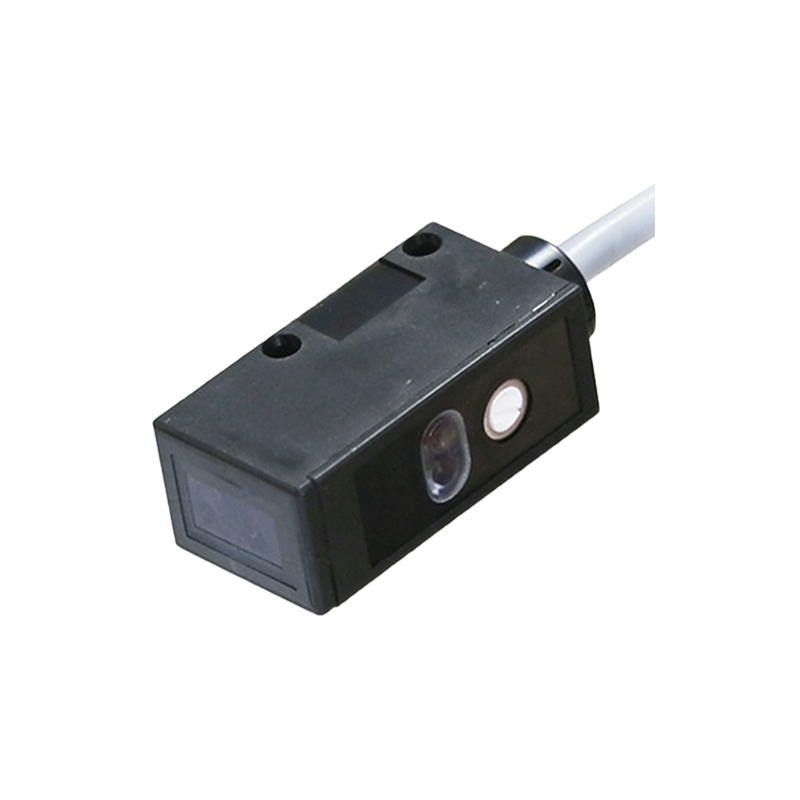
IP Ratings: The Standard for Enclosure Protection
The degree of waterproofing is quantified by the Ingress Protection (IP) rating system, defined by the international standard IEC 60529. This rating is crucial for specifying a through-beam sensor for a given application. The IP code consists of the letters "IP" followed by two digits. The first digit indicates protection against solid objects (like dust), and the second digit specifies protection against liquids. For waterproofing, the second digit is paramount. Common ratings for industrial through-beam sensors include IP67 and IP69K. An IP67 rating certifies the sensor is dust-tight and can withstand immersion in water up to 1 meter for 30 minutes. The IP69K rating represents the highest level of protection, indicating the enclosure is dust-tight and can resist close-range, high-pressure, high-temperature water jets from any direction, making it ideal for the most demanding washdown environments.
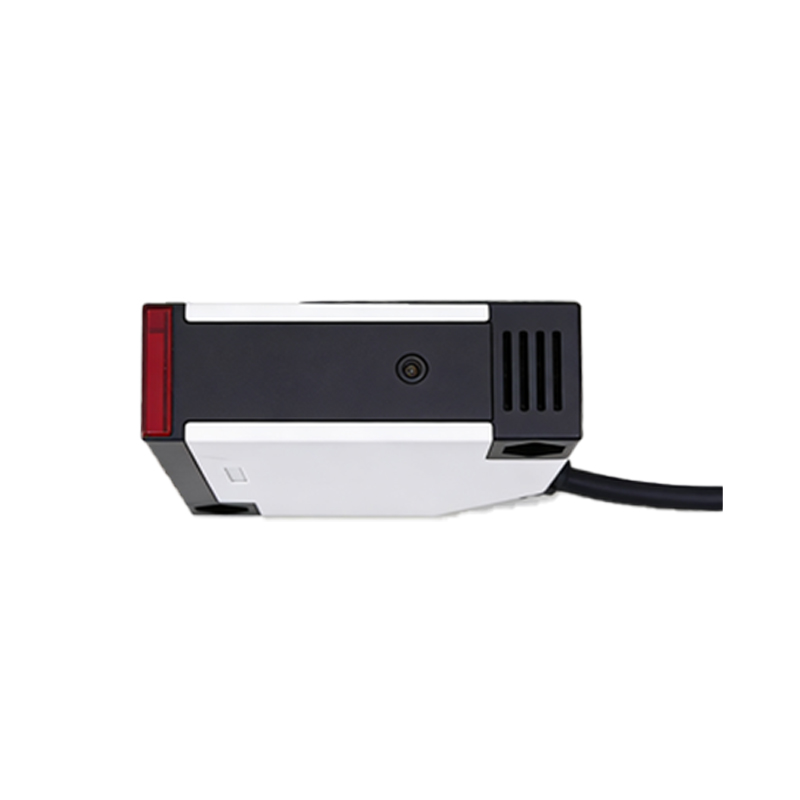
Design and Material Considerations for Waterproof Sensors
Achieving a high IP rating is not merely about adding a seal; it requires holistic design and material engineering. The housing is typically constructed from high-grade stainless steel (such as 316L for corrosive environments) or rugged, chemical-resistant plastics like PBT or PPS. All seams, including where the lens meets the housing and where cable conduits enter, are sealed with specialized gaskets or O-rings made from materials like silicone or fluorocarbon rubber, which maintain elasticity across a wide temperature range. The optical lens itself is often bonded directly to the housing to eliminate a potential leak path. Furthermore, the internal electronics may be potted—encapsulated in a solid resin compound—to provide an additional barrier against moisture and to protect against vibration and thermal shock.
Impact on Performance, Reliability, and Total Cost of Ownership
While adding waterproofing features increases the initial unit cost, its impact on long-term performance and reliability dramatically reduces the total cost of ownership. A waterproof through-beam sensor ensures consistent, accurate detection without downtime caused by environmental factors. This leads to higher overall equipment effectiveness (OEE) by preventing production stoppages for sensor replacement or cleaning. Maintenance intervals are extended, as the sensors can be cleaned aggressively without fear of damage. In industries with strict hygiene standards, such as pharmaceuticals or food processing, the ability to withstand frequent, thorough cleaning is not just an operational advantage but a regulatory requirement. Therefore, specifying a sensor with an appropriate IP rating is a critical engineering decision that safeguards productivity.
Selection and Installation Best Practices
Selecting the right waterproof through-beam sensor involves matching the IP rating to the specific environmental exposure. For occasional splashes, IP65 or IP67 may suffice. For permanent outdoor installation or areas with frequent high-pressure washing, IP67/IP68 or IP69K is mandatory. Proper installation is equally vital to maintain the integrity of the waterproof seal. Installers must ensure that cable glands are correctly tightened and that any conduit used is also rated for the environment. The sensor should be mounted in a way that prevents water from pooling around cable entry points. Regular inspection of the housing and seals for physical damage is recommended as part of a preventive maintenance routine to ensure the long-term integrity of the waterproof protection.