Introduction to Proximity Sensor Technology
Proximity sensors are indispensable components in modern industrial automation, enabling non-contact detection of objects. These devices operate on various principles, including inductive, capacitive, ultrasonic, and photoelectric technologies. Inductive sensors detect metallic objects, capacitive sensors can detect both metallic and non-metallic materials, ultrasonic sensors use sound waves for detection, and photoelectric sensors utilize light beams. The choice of technology depends heavily on the application's specific requirements, such as the target material, required sensing distance, environmental conditions, and response speed. Their primary function is to provide a reliable signal to a control system, triggering actions like counting, positioning, inspection, or safety interlocks without physical contact, thereby reducing wear and tear and increasing system longevity.
Key Selection Criteria for Proximity Sensors
Selecting the right proximity sensor involves a detailed analysis of several technical parameters. The sensing range, or the maximum distance at which the sensor can reliably detect a standard target, is a fundamental specification. Environmental factors are equally critical; sensors may need to withstand extreme temperatures, humidity, vibration, washdowns (IP ratings), or exposure to chemicals. The output type—whether NPN, PNP, analog, or IO-Link—must be compatible with the existing control architecture. Other considerations include the housing material (e.g., stainless steel for corrosive environments), switching frequency, and whether a shielded or unshielded design is appropriate for the installation space. A thorough evaluation of these criteria ensures optimal performance and reliability in the intended application.
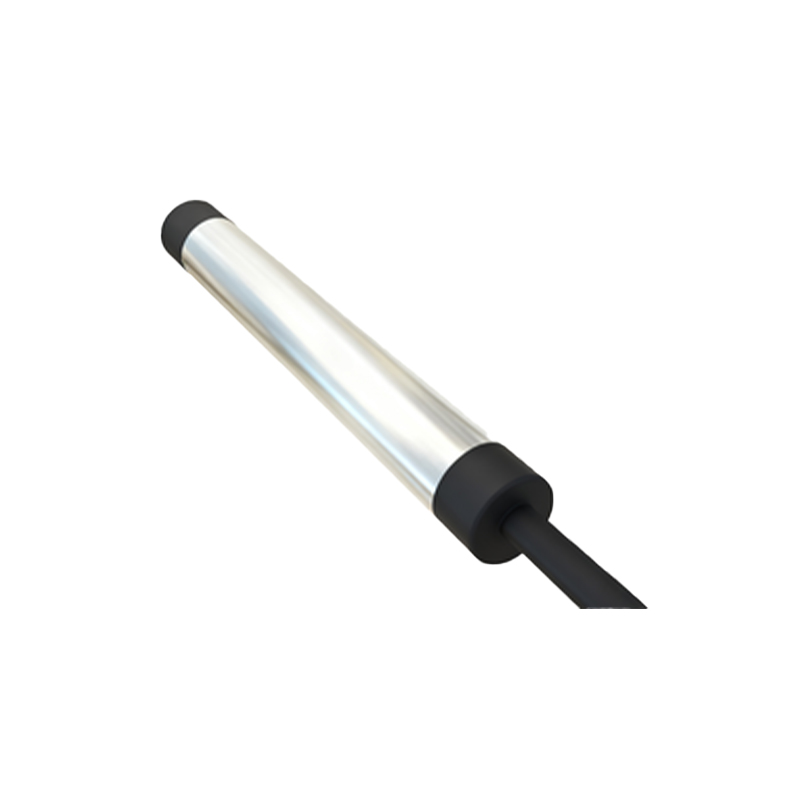
Leading Global Proximity Sensor Suppliers
The market for proximity sensors is served by several established global manufacturers, each with distinct strengths and product portfolios. Siemens AG offers a comprehensive range of sensors under its SIMATIC brand, known for robustness and seamless integration into automation systems. Omron Corporation is a pioneer in sensor technology, providing highly reliable and innovative inductive, capacitive, and photoelectric sensors with advanced features. Pepperl+Fuchs specializes in intrinsic safety and hazardous location sensors, making them a leader in oil & gas and chemical industries. Balluff GmbH is renowned for its high-precision sensors and innovative solutions like RFID systems integrated with sensing technology. These companies provide extensive global support, application engineering, and a wide variety of models to suit nearly any industrial need.
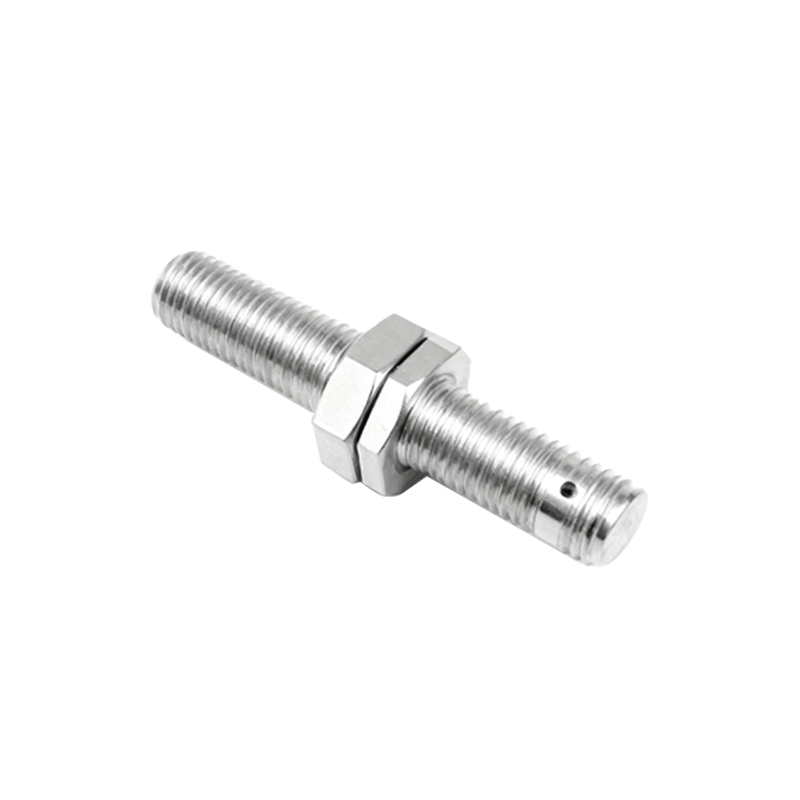
Specialized and Niche Market Suppliers
Beyond the industry giants, several suppliers excel in specialized or high-performance niches. Turck GmbH offers a vast array of sensors with particularly rugged designs and advanced connectivity options, including multi-protocol blocks. IFM Electronic GmbH is highly regarded for its user-friendly diagnostic capabilities and efficient IO-Link sensor solutions that simplify setup and maintenance. SICK AG has a strong reputation in safety sensors and advanced photoelectric devices for complex logistical and packaging applications. Banner Engineering Corp. provides excellent value and innovative, compact designs, often favored in material handling and packaging. For applications requiring extreme precision or unique form factors, companies like Carlo Gavazzi Inc. and Eaton Corporation also offer competitive and reliable product lines.
Important Considerations for Sourcing
When creating a supplier shortlist, technical specifications are just the starting point. Availability and lead times are crucial for maintaining production continuity, making local distributor networks a significant advantage. Total cost of ownership should be evaluated, factoring in not just the unit price but also installation costs, maintenance needs, and potential downtime. The quality of technical support and the availability of detailed documentation, CAD models, and configuration software can greatly impact project timelines. Furthermore, consider the supplier's commitment to innovation and their roadmap for emerging technologies like Industrial IoT (IIoT), which can future-proof your investments. Establishing a relationship with a supplier that understands your long-term operational challenges is often more valuable than a one-time transaction.
Trends and Future Outlook in Proximity Sensing
The proximity sensor industry is continuously evolving, driven by the demands of Industry 4.0 and smart manufacturing. A dominant trend is the integration of digital communication protocols, primarily IO-Link. This standard allows sensors to transmit detailed diagnostic data (e.g., operating hours, temperature warnings, signal strength) beyond a simple on/off signal, enabling predictive maintenance and finer process control. There is also a push towards miniaturization, allowing sensors to fit into increasingly compact machinery. Enhanced sensing capabilities, such as longer ranges or the ability to discriminate between different colors or materials, are also in development. Suppliers who are actively investing in these smart, connected, and intelligent sensor technologies are positioning themselves as leaders for the next generation of automated systems.