Introduction to Infrared Proximity Sensors
Infrared proximity sensors are widely used in various industries for non-contact detection of objects. These sensors operate by emitting infrared light and measuring the reflection to determine the presence or distance of an object. Their applications range from robotics and automation to consumer electronics and safety systems. Understanding the key components of an infrared proximity sensor is essential for engineers and technicians working in the electrical and automation fields. This article delves into the core parts that make up these sensors, explaining their roles and how they contribute to overall functionality.
Infrared Emitter (IR LED)
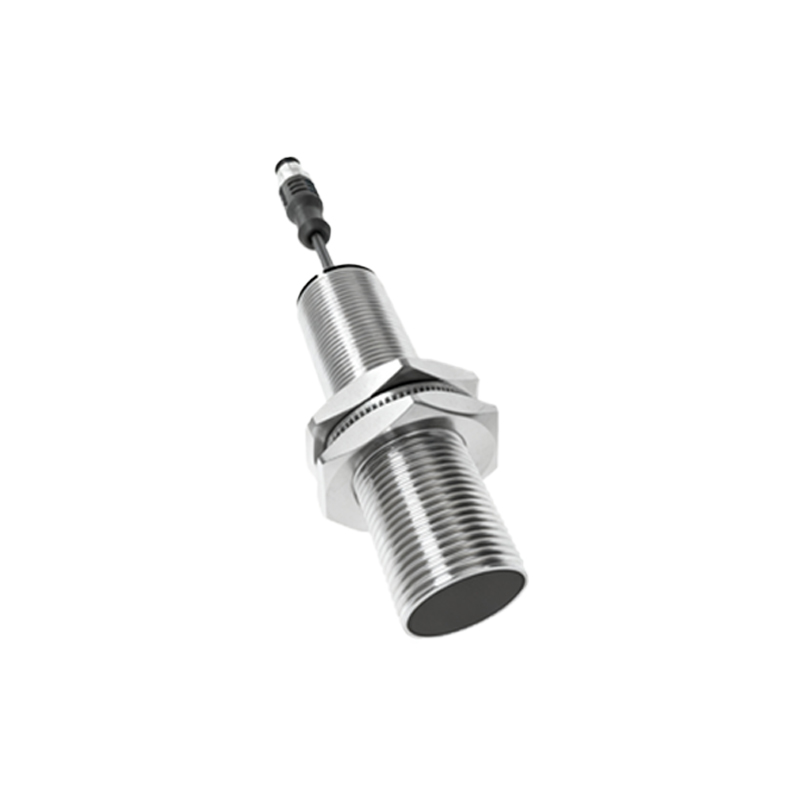
The infrared emitter, typically an infrared light-emitting diode (IR LED), is a fundamental component of the sensor. It generates infrared radiation, which is invisible to the human eye but detectable by electronic devices. The IR LED emits light at a specific wavelength, usually around 850 nm to 950 nm, depending on the sensor design. This emitted light travels toward the target object. The efficiency and output power of the IR LED directly impact the sensor's range and accuracy. Engineers must select an appropriate IR LED based on factors like response time, beam angle, and power consumption to meet application requirements.
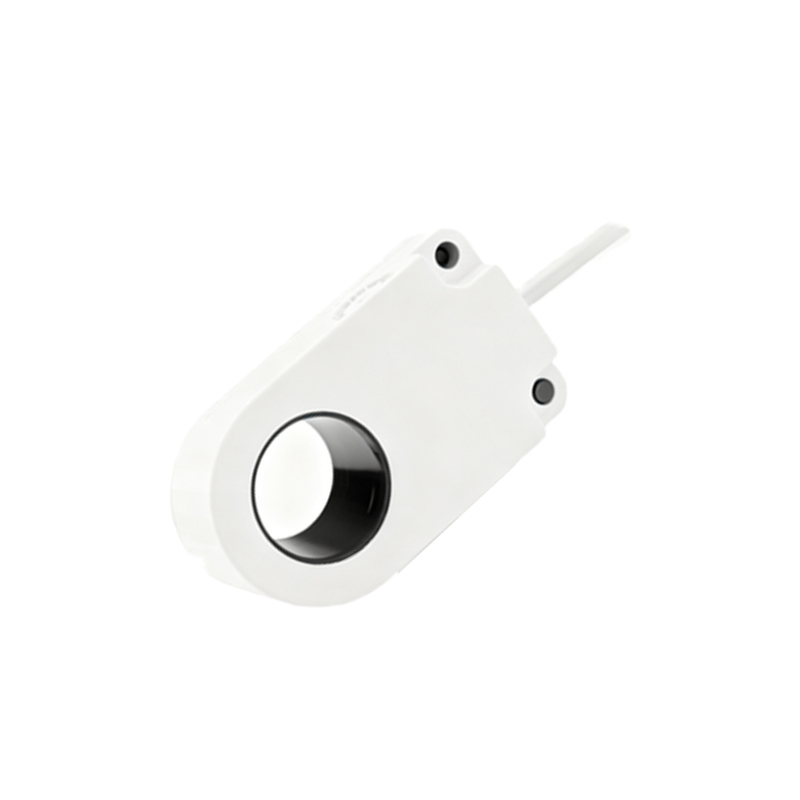
Photodetector (Photodiode or Phototransistor)
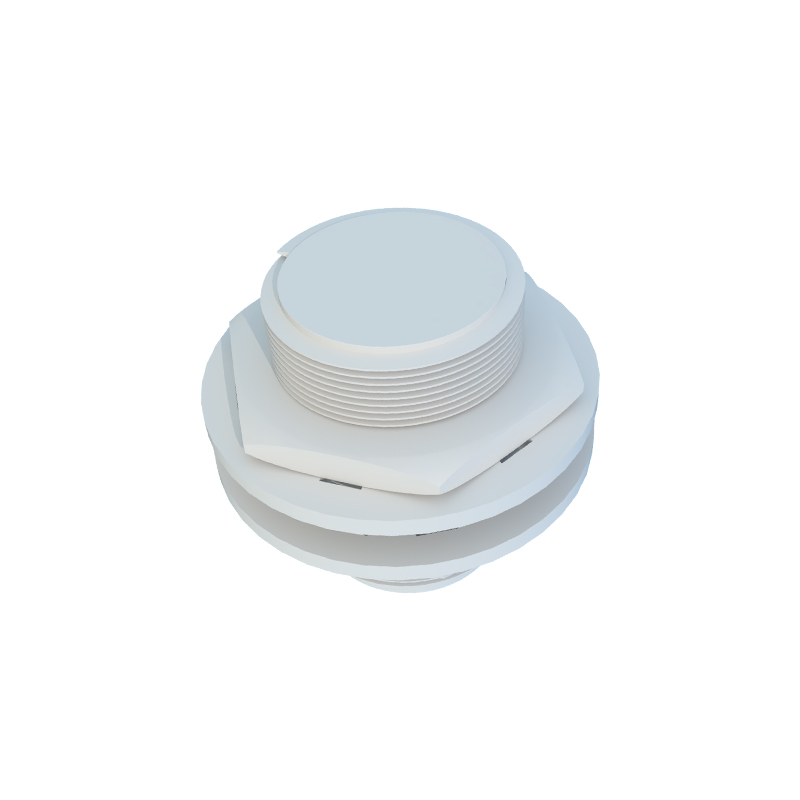
The photodetector is responsible for receiving the infrared light reflected from the object. Common types include photodiodes and phototransistors, which convert light intensity into an electrical signal. When the emitted IR light hits an object, it bounces back to the sensor, and the photodetector captures this reflected light. The amount of light received correlates with the object's distance and reflectivity. Photodetectors are chosen for their sensitivity, speed, and spectral response to match the IR LED's wavelength. Proper alignment between the emitter and detector is crucial to minimize interference and ensure reliable detection.
Optical Components (Lenses and Filters)
Optical elements, such as lenses and filters, enhance the sensor's performance by shaping and refining the infrared light. Lenses focus the emitted light into a narrow beam, increasing the detection range and precision. They also help concentrate the reflected light onto the photodetector, improving signal strength. Filters, often made of materials that block visible light, reduce ambient light interference from sources like sunlight or artificial lighting. This ensures that the sensor primarily responds to the intended infrared signal, boosting accuracy in varied environmental conditions.
Signal Processing Circuitry
The signal processing circuitry is the brain of the infrared proximity sensor. It amplifies and processes the weak electrical signal from the photodetector. This stage typically includes amplifiers, comparators, and analog-to-digital converters (ADCs) to transform the analog signal into a usable digital output. Advanced sensors may incorporate microcontrollers for additional functions, such as noise reduction, calibration, and communication protocols. The circuitry determines the sensor's responsiveness, resolution, and ability to distinguish between objects and background noise, making it a critical component for industrial applications.
Output Interface
The output interface provides the means to communicate detection results to external systems. Common output types include digital (e.g., TTL, open-collector) and analog (e.g., voltage or current signals). Digital outputs offer simple on/off indications for presence detection, while analog outputs provide continuous distance measurements. Some sensors feature serial interfaces like I2C or SPI for direct integration with microcontrollers and programmable logic controllers (PLCs). The choice of output depends on the application's complexity and the need for real-time data processing in automation setups.
Power Supply Unit
A stable power supply unit is vital for consistent sensor operation. Infrared proximity sensors typically require low-voltage DC power, such as 3.3V or 5V, sourced from batteries or regulated power systems. The power unit must minimize noise and fluctuations to prevent false readings. Engineers should consider power consumption, especially in battery-powered devices, and may implement sleep modes or duty cycling to enhance energy efficiency. Proper power management ensures long-term reliability and reduces maintenance needs in industrial environments.
Housing and Environmental Protection
The housing encloses and protects all internal components from physical damage and environmental factors. Made from materials like plastic, metal, or epoxy, it provides mechanical strength and shields against dust, moisture, and temperature extremes. In harsh industrial settings, sensors may feature IP-rated enclosures for water and dust resistance. The design also influences mounting options and alignment, affecting installation ease and performance stability. A robust housing is essential for durability in applications ranging from factory floors to outdoor systems.
Conclusion and Applications
Infrared proximity sensors consist of interconnected components that work together