Introduction to Photoelectric Sensors
Photoelectric sensors are versatile devices widely used in industrial automation for detecting the presence, absence, or position of objects. They operate by emitting a light beam, typically from an LED or laser source, and then measuring the changes in light received by a receiver. These sensors are valued for their non-contact operation, high precision, and ability to function in harsh environments. Common applications include assembly lines, packaging machinery, and safety systems, where they ensure efficient and reliable processes. By converting light signals into electrical outputs, photoelectric sensors enable real-time monitoring and control, making them essential in modern manufacturing and robotics.
Detection of Object Presence and Absence
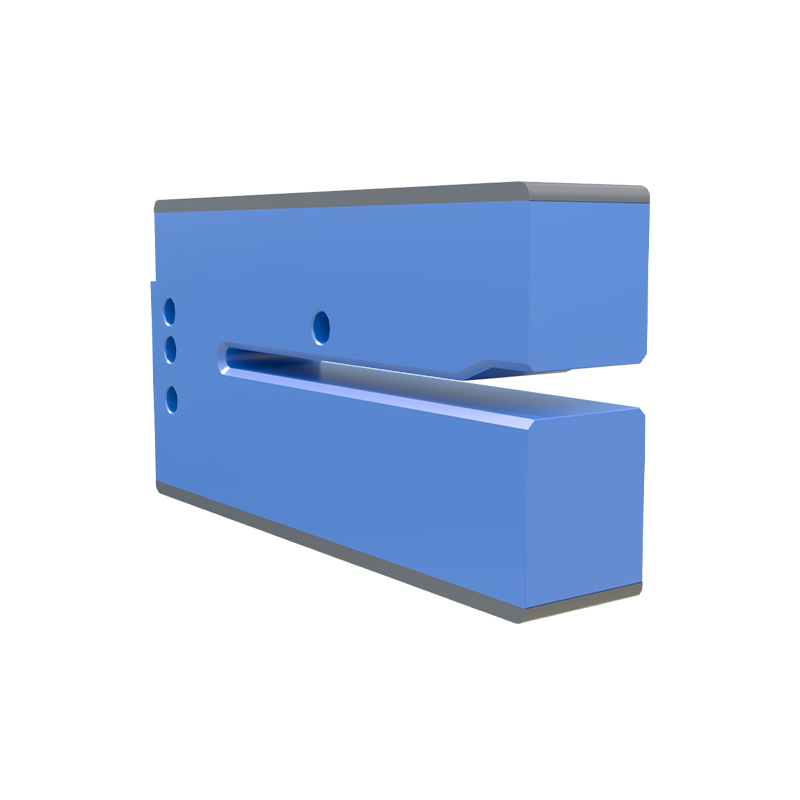
One of the primary functions of photoelectric sensors is to detect whether an object is present or absent in a specific area. They achieve this through various sensing modes, such as through-beam, retro-reflective, and diffuse reflective methods. In through-beam sensors, an emitter and receiver are placed opposite each other; when an object interrupts the light beam, the sensor triggers an output signal. This mode offers long detection ranges and high accuracy, ideal for counting items on conveyor belts or verifying part placement. For retro-reflective sensors, a reflector bounces light back to the receiver, allowing detection when the beam is blocked. Diffuse sensors rely on light reflecting directly off the target, suitable for detecting objects at shorter distances without a separate receiver. These capabilities make photoelectric sensors crucial for automation tasks like inventory management and quality control.
Measurement of Distance and Position
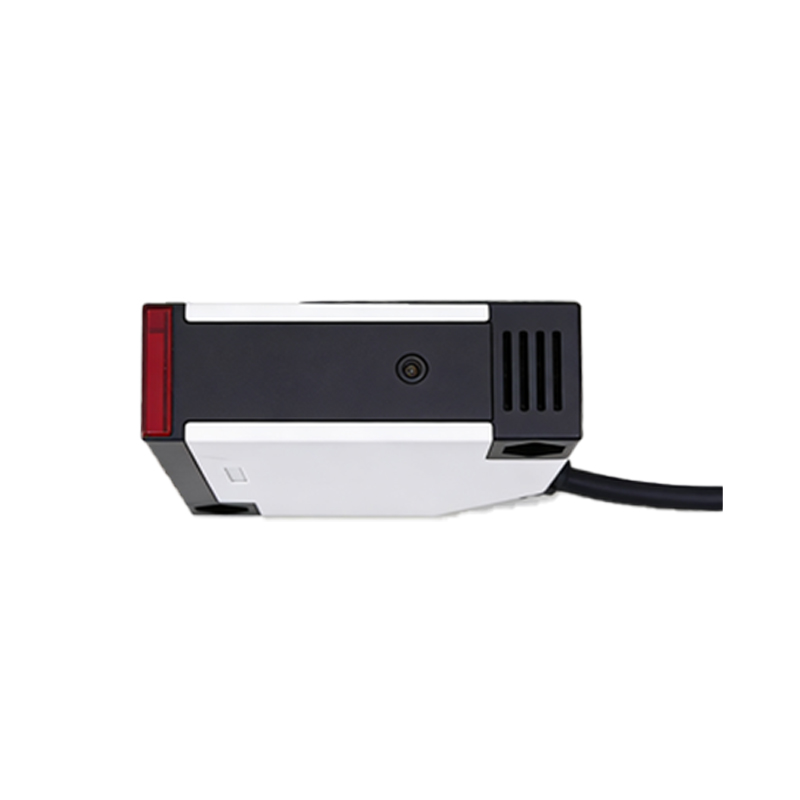
Beyond simple presence detection, photoelectric sensors can measure distance and position with high precision. Using time-of-flight or triangulation principles, they calculate the distance to an object based on the time it takes for light to travel or the angle of reflected light. Laser-based sensors, in particular, offer sub-millimeter accuracy, enabling applications in robotics for object positioning or in logistics for dimensioning packages. For example, in automotive assembly, sensors ensure components are correctly aligned before welding. Additionally, color-mark sensors detect specific patterns or colors on surfaces, aiding in sorting and labeling processes. By providing continuous feedback, these sensors enhance system flexibility and reduce errors in dynamic environments.
Recognition of Surface Characteristics
Photoelectric sensors are adept at recognizing surface characteristics such as color, texture, and reflectivity. Specialized models, like color sensors, use multiple light wavelengths to distinguish between colors, which is vital in printing or textile industries for quality assurance. Contrast sensors detect differences in surface brightness, helping identify labels or marks on products. Gloss sensors measure surface shininess, applicable in coating or finishing processes to ensure consistency. By analyzing how light interacts with materials, these sensors can differentiate between similar objects, prevent mix-ups, and maintain product standards. This functionality supports automated inspection systems, reducing manual labor and increasing throughput in production lines.
Detection in Challenging Environments
Photoelectric sensors are designed to operate reliably in challenging conditions, including dust, moisture, and extreme temperatures. Enclosures with high ingress protection (IP) ratings shield them from environmental factors, while advanced optics minimize interference from ambient light. For instance, in food processing, sensors withstand washdowns and detect transparent packaging without contamination. In outdoor settings, they monitor vehicle presence in traffic systems or detect obstacles in agricultural machinery. Some sensors incorporate background suppression technology, ignoring distant objects to focus on specific targets. This robustness ensures continuous performance in industries like mining, pharmaceuticals, and aerospace, where downtime is costly.
Applications Across Various Industries
The versatility of photoelectric sensors leads to widespread use across industries. In manufacturing, they automate assembly lines by detecting parts and triggering robotic actions. In logistics, they facilitate package sorting and warehouse automation. Automotive sectors rely on them for safety systems, such as detecting obstacles in automated guided vehicles. Healthcare applications include medical device assembly and pill counting. Additionally, they enhance energy efficiency in smart buildings by controlling lighting based on occupancy. As technology advances, sensors with IoT connectivity enable predictive maintenance and data analytics, further expanding their role in Industry 4.0. By adapting to diverse needs, photoelectric sensors drive innovation and efficiency globally.
Future Trends and Innovations
The future of photoelectric sensors involves integration with emerging technologies like artificial intelligence and the Internet of Things. Smart sensors with embedded processors can analyze data locally, enabling faster decision-making and adaptive responses. Miniaturization allows for installation in compact devices, while enhanced sensitivity improves detection of subtle changes. Research focuses on energy-efficient designs and multi-functional sensors that combine detection with environmental monitoring. As industries seek greater automation, photoelectric sensors will evolve to offer higher precision, wireless capabilities, and seamless connectivity, supporting sustainable and intelligent systems worldwide.