Introduction to Proximity Sensor Components
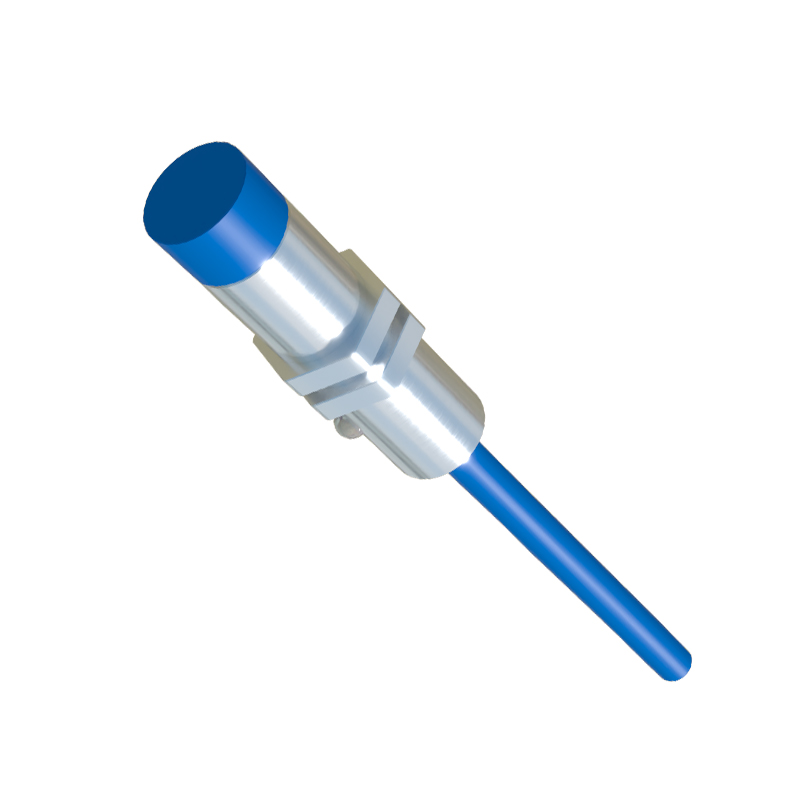
Proximity sensors, essential in automation and industrial applications, rely on sophisticated internal components to detect objects without physical contact. These devices often incorporate precious metals due to their unique electrical and chemical properties. Understanding the role of these metals provides insight into sensor performance, durability, and cost. Common types include inductive, capacitive, and magnetic proximity sensors, each utilizing specific materials to enhance functionality. The integration of precious metals is not arbitrary; it is driven by requirements for conductivity, corrosion resistance, and stability in harsh environments. This article delves into the specific precious metals found within these sensors and their critical functions.
Gold in Electrical Contacts and Plating
Gold is a prominent precious metal in proximity sensors, primarily used in electrical contacts and plating. Its excellent conductivity ensures minimal signal loss, which is crucial for accurate detection in low-voltage applications. Gold does not oxidize or tarnish, maintaining reliable performance over time, even in humid or corrosive conditions. In sensors, thin layers of gold are often applied to contact surfaces, such as in connectors or switch points, to prevent wear and degradation. This use extends the sensor's lifespan and reduces maintenance needs. While gold is expensive, its inclusion is justified by the need for precision and longevity in critical industrial systems.
Silver in Conductive Elements and Alloys
Silver is another valuable metal found in proximity sensors, known for its superior electrical conductivity. It is often used in conductive pastes, alloys, or as a coating for internal wiring and components. Silver's high thermal conductivity also helps dissipate heat, protecting sensitive parts from overheating. In some sensor designs, silver alloys combine with other metals to balance cost and performance, enhancing durability without compromising efficiency. However, silver can tarnish in sulfur-rich environments, so its application may be limited or combined with protective layers. Its role is vital in ensuring efficient energy transfer and signal integrity within the sensor circuitry.
Platinum and Palladium in Sensing Elements
Platinum and palladium are less common but crucial in specialized proximity sensors, particularly in high-temperature or corrosive settings. These metals are used in sensing elements, such as in catalytic or resistive components, due to their stability and resistance to oxidation. Platinum, for example, may be found in certain capacitive sensors where precise temperature compensation is needed. Palladium is often alloyed with other metals to create robust contacts that withstand extreme conditions. Their inclusion adds to the sensor's cost but provides unmatched reliability in demanding applications like automotive or aerospace industries.
Rhodium and Other Rare Metals in Coatings
Rhodium, a rare and expensive precious metal, is sometimes used in proximity sensors for protective coatings. It offers exceptional hardness and corrosion resistance, making it ideal for plating on contacts exposed to abrasive environments. Other rare metals, such as iridium or ruthenium, may appear in niche sensor designs for their unique properties, like high melting points or catalytic activity. While these metals are not standard in all sensors, their use highlights the tailored approaches in engineering for specific industrial needs. They contribute to enhanced durability and performance in specialized applications.
Economic and Environmental Considerations
The inclusion of precious metals in proximity sensors impacts both cost and sustainability. These metals drive up manufacturing expenses, but their benefits in reliability and efficiency often justify the investment. From an environmental perspective, recycling sensors to recover precious metals is becoming increasingly important. Proper disposal and reclamation processes help reduce electronic waste and conserve scarce resources. Engineers must balance material choices with economic and ecological factors, opting for alternatives like coated or alloyed metals when feasible to optimize value.
Conclusion on Material Selection
In summary, proximity sensors contain various precious metals, including gold, silver, platinum, palladium, and rhodium, each serving specific roles in enhancing functionality and durability. Gold and silver are common for conductivity and corrosion resistance, while platinum and palladium address high-demand environments. The selection of these materials reflects a trade-off between performance, cost, and application requirements. As technology advances, innovations in material science may lead to more efficient use or substitutes, but precious metals will likely remain integral to high-performance sensors in critical industries.