Introduction to Photoelectric Sensing in Paper Thickness Measurement
Accurate paper thickness measurement is a critical parameter in various industries, including printing, packaging, and manufacturing. Photoelectric sensors have become a preferred technology for non-contact, high-speed measurement due to their precision and reliability. However, the performance of these sensors is heavily dependent on the stability and design of their mounting systems. A well-engineered photoelectric sensor mount ensures consistent alignment, minimizes environmental interference, and maintains the precise optical path required for accurate thickness detection. This article delves into the design principles, material considerations, and practical applications of specialized mounts for paper thickness measurement systems.
Core Design Principles for Sensor Mounts
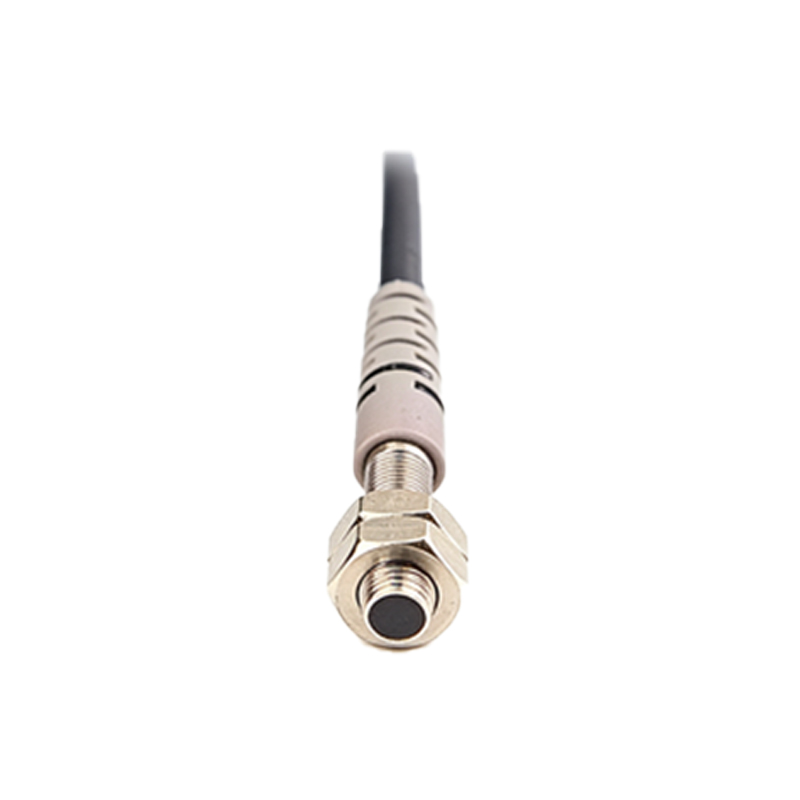
The primary function of a sensor mount is to provide rigid, vibration-dampening support. Key design principles include mechanical stability, thermal compensation, and precise adjustability. Mounts are typically constructed from materials with low thermal expansion coefficients, such as anodized aluminum alloys or stainless steel, to prevent drift in measurement due to temperature fluctuations. The design must incorporate fine-adjustment mechanisms—often using micrometer screws or precision sliders—to allow for exact positioning of the sensor in multiple axes (X, Y, Z, and sometimes pitch and yaw). This adjustability is crucial for calibrating the sensor's beam to be perfectly perpendicular to the paper surface, ensuring the reflected or transmitted light signal is optimal. Furthermore, the mount should isolate the sensor from machine vibrations, which can be achieved through integrated damping materials or strategic mechanical design that avoids resonance frequencies.
Material Selection and Environmental Protection
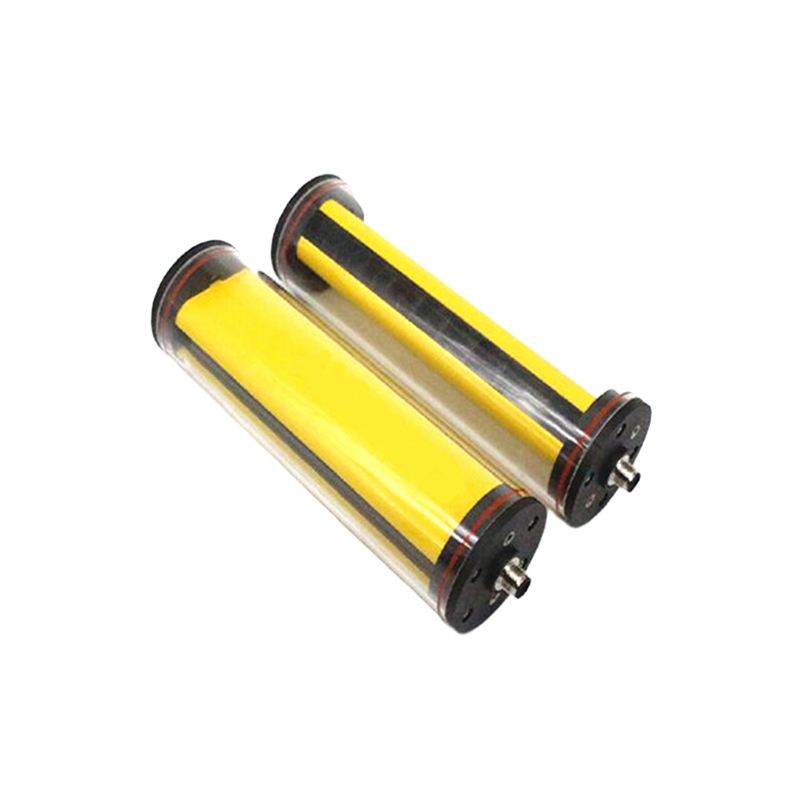
Material choice directly impacts durability and measurement consistency. For harsh industrial environments with dust, paper fibers, or chemical exposure, mounts often feature IP67-rated enclosures or protective shrouds. The mounting components themselves must resist corrosion; hence, stainless steel is favored in humid conditions. For applications requiring lightweight yet stiff structures, aluminum alloys with hard anodized finishes are common. Additionally, critical contact points or adjustment threads may utilize brass or bronze inserts to prevent galling and ensure smooth, long-term adjustability. The interface between the mount and the machine frame is another critical area, often employing kinematic mounting principles or vibration-isolating bushings to decouple the sensor from external mechanical noise.
Optical Alignment and Calibration Features
A superior mount design integrates features that facilitate initial setup and ongoing calibration. This includes built-in reference surfaces or datum points that technicians can use with dial indicators or laser alignment tools. Some advanced mounts incorporate passive or active alignment aids. For instance, a pilot laser or a through-hole design allows visual confirmation of the optical path. For differential thickness measurement systems using two opposed sensors, the mount must provide symmetric and parallel alignment capabilities, often through a master rail or dovetail system that ensures both sensors move in unison during calibration. The ease of calibration directly affects maintenance downtime and long-term measurement repeatability.
Application-Specific Mount Configurations
Different paper measurement scenarios demand unique mount configurations. In scanning applications, where a sensor moves across a wide web of paper, the mount is often attached to a motorized carriage. Here, the mount must be compact and low-mass to allow high scanning speeds while maintaining rigidity. For fixed-point measurement on high-speed production lines, a more robust, stationary mount with enhanced vibration damping is essential. In laboratory-grade precision instruments, mounts may include thermal stabilization elements and operate in environmentally controlled enclosures. The trend towards miniaturization has also led to the development of compact, integrated sensor-mount assemblies that simplify installation in space-constrained machinery.
Integration with Measurement Systems and Data Acquisition
The mount is not merely a mechanical holder; it is part of a larger measurement ecosystem. Modern designs often include integrated cable management to prevent cable strain from affecting sensor position. Some mounts also incorporate temperature sensors to provide data for thermal compensation algorithms in the sensor's software. Proper integration ensures that the physical stability provided by the mount translates into stable, low-noise electronic signals. This is vital for analog sensors or high-resolution digital sensors where signal integrity is paramount. The mount's design should also allow for easy access for maintenance or sensor replacement without requiring a complete realignment of the system, often through repeatable kinematic coupling.
Future Trends and Innovations
The future of photoelectric sensor mounts lies in smarter, more adaptive designs. The integration of micro-electromechanical systems (MEMS) for active vibration cancellation within the mount structure is an emerging area. Additive manufacturing (3D printing) allows for the creation of complex, lightweight, and optimized geometries that were previously impossible or too costly to machine. Furthermore, the rise of Industry 4.0 drives the development of "smart mounts" with embedded sensors to monitor their own alignment status and predict maintenance needs, communicating directly with the factory's control network. These innovations aim to further reduce setup time, enhance measurement accuracy, and increase overall system reliability in demanding continuous production environments.