Understanding Photoelectric Sensor Fundamentals
Photoelectric sensors are ubiquitous in industrial automation, performing critical tasks like object detection, counting, and positioning. At their core, these devices operate by emitting a light beam (typically LED-based infrared, red, or laser) and detecting changes in the received light signal. The three primary operating modes are through-beam, retro-reflective, and diffuse reflective. Through-beam models, with separate emitter and receiver units, offer the longest sensing ranges and highest reliability but come at a higher initial cost due to the need for two components and precise alignment. Retro-reflective types use a single unit and a reflector, providing a good balance of range and cost. Diffuse reflective sensors, which detect light reflected directly from the target, are the most compact and easiest to install, often representing the most cost-effective entry point for many applications. The choice of mode directly influences the price, with through-beam typically being the most expensive and diffuse reflective the least, for comparable performance tiers.
Key Factors Influencing Sensor Pricing
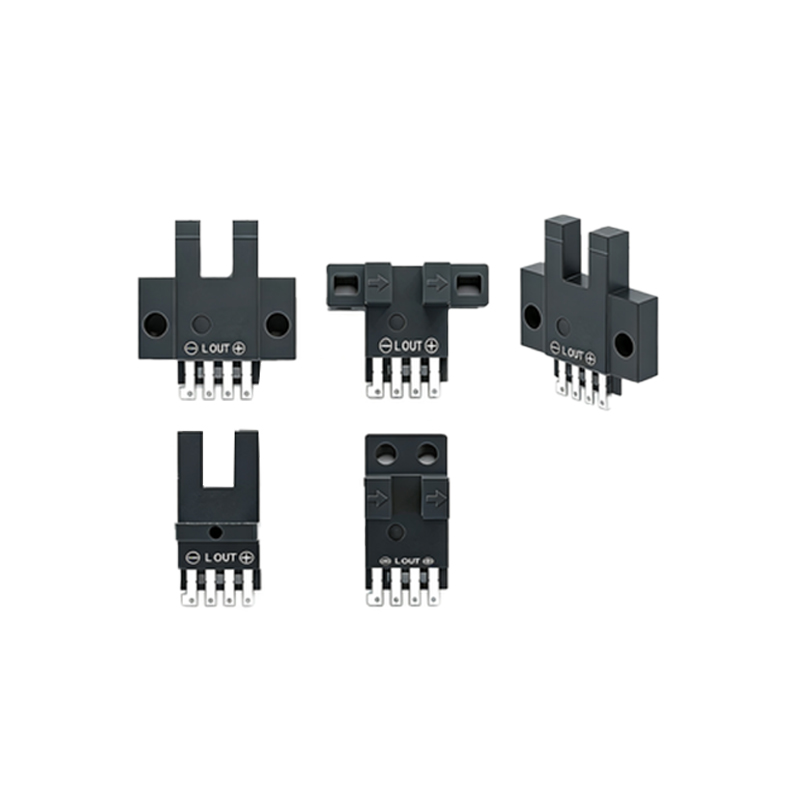
The price of a standard photoelectric sensor is not arbitrary; it is determined by a combination of technical specifications and build quality. Sensing range is a primary driver; a sensor with a 10-meter range will cost significantly more than a 1-meter variant. The type of light source also matters: standard infrared LEDs are economical, while specialized red light or visible laser models command a premium for their precise spot size. Environmental ratings, notably Ingress Protection (IP) codes like IP67 or IP69K for washdown environments, and NEMA ratings, add cost through enhanced sealing and robust housing materials. Output configuration (PNP vs. NPN, relay, analog) and additional features like built-in timers, counters, teach-in functionality, or IO-Link communication for smart sensor capabilities further elevate the price. Finally, brand reputation and the associated reliability, technical support, and global availability play a significant role in the final cost.
Typical Price Ranges for Standard Models

Providing exact prices is challenging due to constant market fluctuations, but general ranges can be established. Basic, compact diffuse reflective sensors with a short range (up to 300mm), plastic housing, and a simple digital PNP output can be found in the range of $20 to $50 per unit from various manufacturers. Mid-range sensors, offering longer ranges (up to 2m), metal housings, higher IP ratings (IP67), and maybe a choice of light or dark object detection, typically fall between $50 and $150. High-performance models, including long-range through-beam or background suppression diffuse sensors with advanced logic functions and communication protocols like IO-Link, can range from $150 to $400 or more. It is crucial to note that list prices are often discounted for volume procurement, and prices can vary dramatically between a generic supplier and a top-tier automation brand for a seemingly similar specification.
The Impact of Specialized Features on Cost
Moving beyond standard detection, specialized sensing needs introduce notable cost increments. Sensors designed for specific applications, such as color detection, contrast detection, or luminescence sensing, incorporate sophisticated optics and electronics, placing them in a higher price bracket, often starting at several hundred dollars. Similarly, sensors built for extreme conditions—featuring all-metal stainless steel housings, extended temperature tolerances (-40°C to 70°C), or exceptional resistance to chemicals—incur higher manufacturing costs. Safety-rated photoelectric sensors (Type 3 or Type 4 per IEC 61496), which are designed for personnel protection in hazardous areas and include redundant self-checking circuits, are among the most expensive, with prices easily reaching $500 to $1000 per pair. These features are not superfluous; they are justified by the critical nature of the application.
Procurement Strategies and Total Cost of Ownership
Focusing solely on the unit purchase price can be misleading. A comprehensive Total Cost of Ownership (TCO) analysis includes installation time, wiring costs, maintenance, downtime, and replacement frequency. A slightly more expensive sensor from a reputable brand with easy mounting features, clear diagnostics (like a visible LED status beam), and high reliability may offer a far lower TCO than a cheaper, less reliable alternative that causes production stoppages. When procuring, consider buying in volume for project needs to secure discounts. Evaluate distributors not just on price but on technical support, local inventory, and warranty services. For non-critical applications, validated generic or second-tier brands can offer excellent value. However, for mission-critical processes, investing in premium, well-supported sensors is almost always the more economical long-term decision.
Future Trends and Market Considerations
The photoelectric sensor market is evolving, with trends impacting future cost structures. The integration of Industrial Internet of Things (IIoT) capabilities, primarily through IO-Link, is becoming more standard. While adding a small premium to the sensor's cost, IO-Link provides immense value in parameterization, condition monitoring, and simplified wiring, potentially reducing system-wide costs. Miniaturization continues, allowing for smaller, less expensive housings without sacrificing performance. However, global supply chain dynamics, material costs (especially for semiconductors and optical components), and regional demand continue to cause price volatility. Staying informed about these trends helps in making strategic purchasing decisions and forecasting future automation project budgets accurately.