Understanding Magnetic Proximity Sensors
Magnetic proximity sensors are fundamental components in modern industrial automation, offering non-contact detection of ferromagnetic objects. These devices operate by generating a magnetic field and detecting changes caused by the presence of a target, typically a permanent magnet or a ferrous metal actuator. Their primary advantages include high reliability, long operational life, immunity to environmental contaminants like dust and oil, and the ability to function in harsh conditions where optical sensors might fail. Common types include reed switch-based sensors and solid-state sensors utilizing magnetoresistive, Hall-effect, or giant magnetoresistance (GMR) technologies. Each type offers distinct characteristics in terms of sensing range, switching frequency, and environmental robustness, making the selection of the right sensor and supplier critical for application success.
Key Selection Criteria for Suppliers
Choosing the right magnetic proximity sensor supplier requires a thorough evaluation beyond basic product specifications. Key criteria include the supplier's technical expertise and ability to provide application-specific support. A reputable supplier should offer a comprehensive product portfolio with various housing materials (e.g., stainless steel, PBT, nickel-plated brass), connection types (e.g., M8, M12 connectors, cable exits), and output configurations (PNP/NPN, NO/NC, analog). Equally important is the supplier's commitment to quality certifications such as ISO 9001, along with adherence to international standards for electrical safety, ingress protection (IP ratings), and hazardous area approvals (ATEX, IECEx). Delivery reliability, global logistics network, and responsive after-sales technical support are also decisive factors for maintaining uninterrupted production lines.
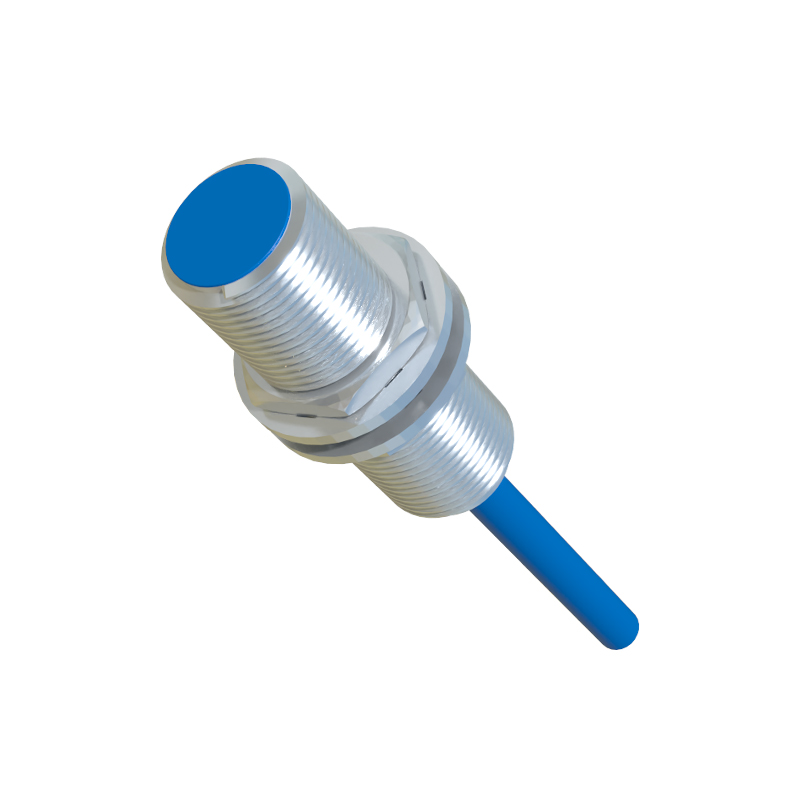
Leading Global Suppliers and Their Specializations
The global market for magnetic proximity sensors is served by several established leaders, each with unique strengths. Companies like ifm electronic, SICK, and Balluff are renowned for their innovation, extensive sensor ranges, and robust designs suitable for heavy-duty applications in automotive and material handling. Pepperl+Fuchs excels in providing sensors for explosive atmospheres and process automation, offering exceptional durability. Turck and Banner Engineering are recognized for their versatile, high-performance sensor families and strong distribution networks. For cost-effective solutions without significant compromise on quality, suppliers like Omron and Carlo Gavazzi present strong alternatives. Emerging suppliers, particularly from Asia, are also gaining traction by offering competitive pricing and rapidly improving technical capabilities.
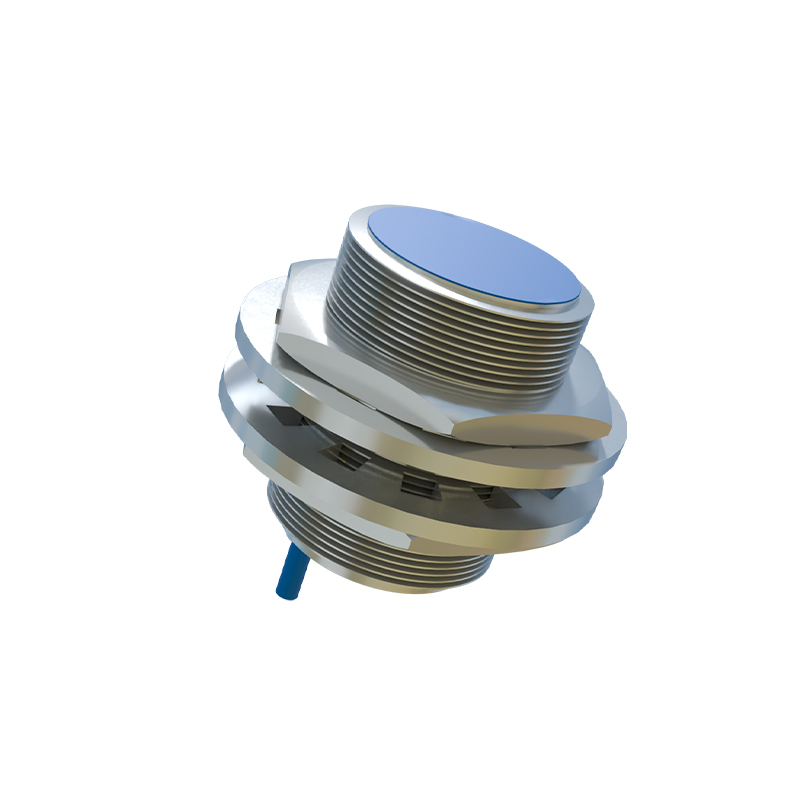
Innovation and Technological Trends
Top-tier suppliers are continuously driving innovation to meet evolving industry demands. A significant trend is the development of IO-Link enabled magnetic sensors, which facilitate digital communication for advanced diagnostics, parameter setting, and integration into Industry 4.0 frameworks. There is also a push towards miniaturization, allowing sensors to fit into increasingly compact machinery. Enhanced sensing ranges and improved immunity to electromagnetic interference (EMI) are constant areas of R&D. Furthermore, suppliers are integrating more advanced diagnostics, such as condition monitoring features that can predict maintenance needs, thereby reducing machine downtime and supporting predictive maintenance strategies.
Navigating the Procurement Process
Successful procurement involves a strategic approach. Begin by clearly defining your application requirements: required sensing distance, target material, switching frequency, electrical specifications, and environmental conditions (temperature, pressure, media exposure). Engage potential suppliers early with detailed request for quotation (RFQ) packages that include these parameters. Request samples for in-house testing and validation under real or simulated operating conditions. Evaluate the total cost of ownership, which includes not just the unit price but also factors like installation cost, mean time between failures (MTBF), and availability of spare parts. Establishing a long-term partnership with a supplier who demonstrates technical competency and reliability often yields greater value than pursuing the lowest initial price.
Ensuring Long-Term Reliability and Support
The relationship with a supplier should extend beyond the initial purchase. Assess the supplier's capability to provide consistent quality over large production batches and across extended timeframes. Inquire about their product lifecycle management policies to ensure components will remain available for future repairs or machine replication. Robust technical documentation, detailed datasheets, CAD models for design integration, and accessible training resources are indicators of a supplier invested in customer success. Finally, verify the structure of their technical support—whether it's provided directly, through knowledgeable distributors, or via comprehensive online portals—to guarantee swift resolution of any operational issues that may arise during the sensor's service life.