Introduction to Obstacle Avoidance and Photoelectric Sensing
In the realm of industrial automation, robotics, and smart systems, the ability to detect and avoid obstacles is paramount for safety, efficiency, and operational continuity. Photoelectric sensors have emerged as a cornerstone technology for this critical function. Unlike mechanical limit switches or proximity sensors, photoelectric sensors offer non-contact detection over considerable distances with high precision and speed. Their fundamental principle involves emitting a beam of light—visible, infrared, or laser—and detecting changes in the received light signal caused by the presence of an object. This capability makes them exceptionally versatile for a wide array of obstacle avoidance applications, from simple presence detection on a conveyor line to complex navigation in autonomous mobile robots (AMRs).
Core Working Principle of Photoelectric Sensors
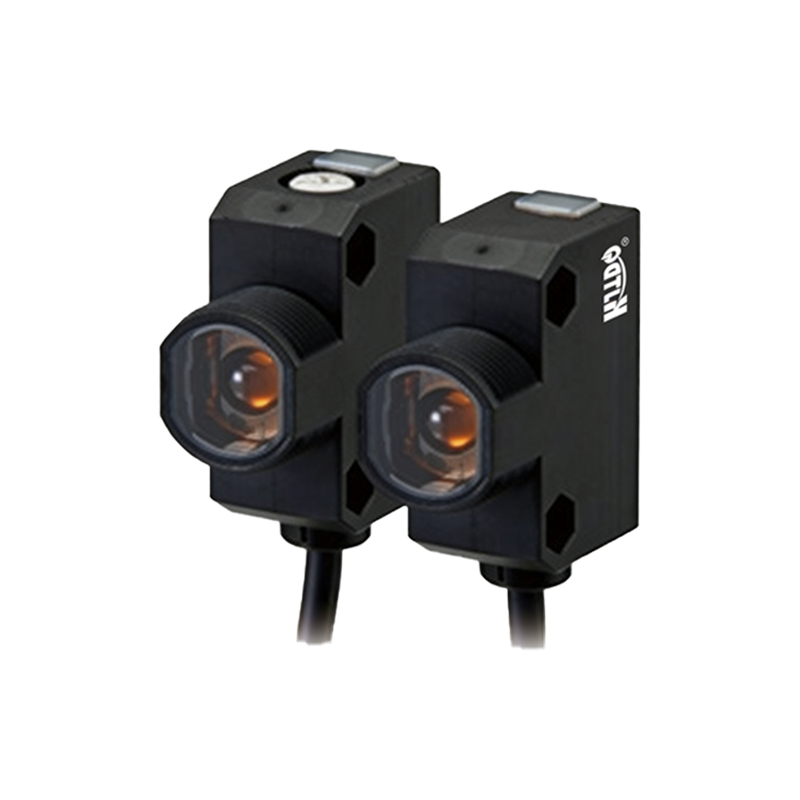
The operation of a photoelectric sensor is elegantly simple yet highly effective. It consists of two main components: an emitter (light source) and a receiver (photodetector). The emitter projects a modulated light beam. When this beam strikes an object in its path, the light is either reflected back to the receiver, blocked, or refracted, depending on the sensor type. The receiver, typically a phototransistor or photodiode, converts the received light intensity into an electrical signal. An internal circuit then processes this signal. A significant change from the baseline (e.g., receiving a strong reflected signal or a complete loss of signal) triggers the sensor's output switch. This output signal is then used by a controller, such as a PLC or robot CPU, to initiate an action—like stopping a motor, altering a path, or triggering an alarm—thereby avoiding a collision or mishap.
Key Sensor Types for Obstacle Detection
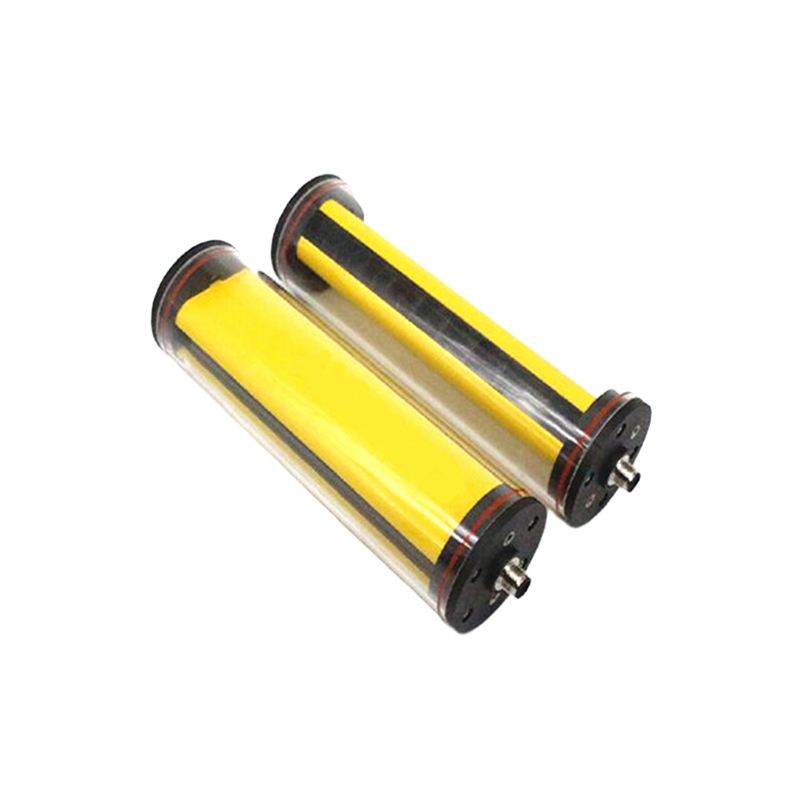
Several photoelectric sensor configurations are employed for obstacle avoidance, each with distinct advantages for specific scenarios. The most common types include through-beam (also called opposed), retro-reflective, and diffuse (proximity) sensors. Through-beam sensors offer the longest sensing range and highest reliability for obstacle detection. The emitter and receiver are separate units placed opposite each other. An object is detected when it interrupts the beam. This method is ideal for precise detection points but requires careful alignment and wiring to two separate devices. Retro-reflective sensors house both emitter and receiver in one unit, using a reflector to bounce the beam back. An object is detected when it blocks this return path. They provide a good balance of range and convenience. Diffuse sensors rely on the reflection of light directly off the object itself. They are compact and easy to install, making them suitable for detecting objects at close range, though sensing distance and performance can vary with the object's color and surface texture.
Advanced Features for Complex Environments
Modern photoelectric sensors incorporate advanced features to tackle challenging real-world environments. Background suppression is a critical technology, especially for diffuse sensors. It allows the sensor to ignore objects beyond a preset distance, ensuring it only detects obstacles within a specific "danger zone." This is achieved through triangulation or time-of-flight principles. Another vital feature is the use of modulated LED light, typically in the infrared spectrum. This modulation makes the sensor immune to ambient light interference from factory lighting or sunlight, guaranteeing stable operation. For applications requiring precise distance measurement rather than simple presence detection, laser distance sensors (a subtype of photoelectric sensors) provide millimeter-level accuracy, enabling sophisticated path planning and speed control based on obstacle proximity.
Critical Application Areas in Industry and Robotics
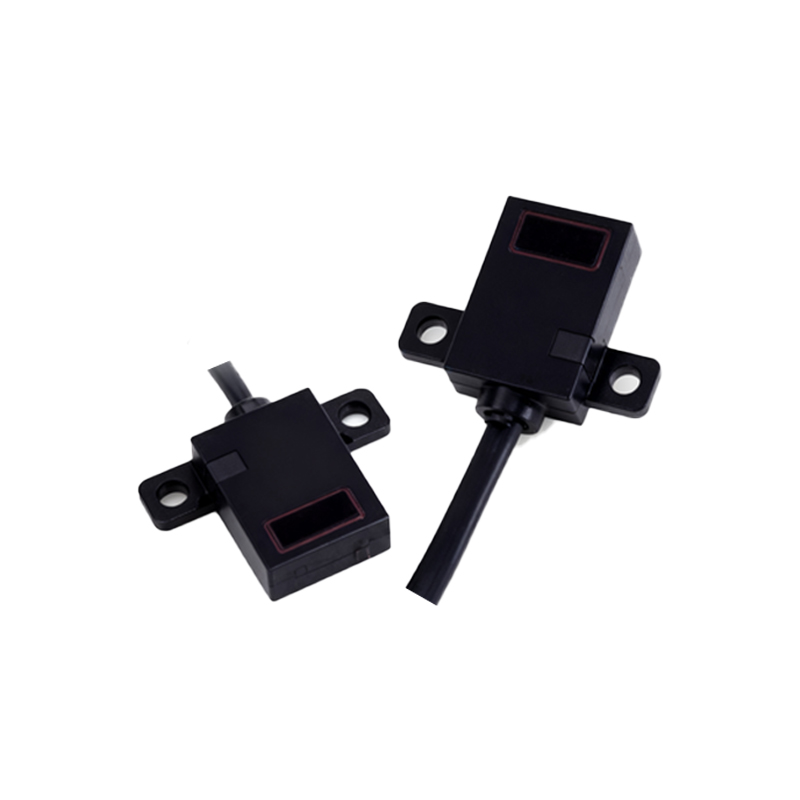
The applications for photoelectric sensors in obstacle avoidance are vast and growing. In material handling and packaging, they are ubiquitous on conveyor systems to detect jams, count objects, and ensure proper spacing to prevent collisions. Automated Guided Vehicles (AGVs) and Autonomous Mobile Robots (AMRs) heavily rely on arrays of photoelectric sensors, often in conjunction with LiDAR, to create a safety perimeter and navigate dynamically around personnel, equipment, and other obstacles. In industrial machinery, safety light curtains—essentially arrays of through-beam sensors—create an invisible protective barrier that immediately halts machine operation if breached. Furthermore, in automated storage and retrieval systems (AS/RS), these sensors ensure the precise positioning of cranes and prevent collisions with racking or other units.
Selection Criteria and Installation Best Practices
Selecting the right photoelectric sensor for an obstacle avoidance task requires careful consideration of several parameters. The required sensing range is primary; through-beam sensors are best for long ranges, while diffuse types suit shorter distances. The size, material, color, and surface finish of the target object significantly affect performance, particularly for diffuse sensors. The environmental conditions are equally crucial; sensors must be rated for the presence of dust, moisture, vibration, and temperature extremes. Electromagnetic interference (EMI) in the installation area should also be considered. For installation, ensuring stable mounting, precise alignment (for through-beam and retro-reflective types), and protection from physical damage are essential. Regular maintenance, such as cleaning lenses to prevent false triggers from accumulated dirt, is vital for long-term reliability.
The Future of Sensing for Autonomous Systems
As industries move towards greater autonomy and flexibility, the role of photoelectric sensors in obstacle avoidance continues to evolve. The trend is towards smarter, more integrated sensors. Modern sensors now feature IO-Link communication, providing not just a simple switch signal but detailed diagnostic data like signal strength, operating hours, and contamination levels. This enables predictive maintenance. Furthermore, sensor fusion—combining data from photoelectric sensors with vision systems, ultrasonic sensors, and LiDAR—is becoming standard for creating robust, multi-layered perception systems in advanced robotics. This fusion allows systems to not only detect an obstacle's presence but also classify it and predict its trajectory, enabling more intelligent and fluid avoidance maneuvers.