Understanding the Core Principle
Capacitive proximity sensors operate on the fundamental principle of capacitance change. Every object possesses an inherent electrical capacitance. The sensor itself functions as one plate of a capacitor, with the target object acting as the other plate, and the intervening air or material serving as the dielectric. The sensor generates an electrostatic field. When a target enters this detection field, it alters the dielectric constant and consequently the capacitance of the system. The sensor's internal oscillator circuit is tuned to detect this specific change in capacitance. Once the change exceeds a preset threshold level, the sensor triggers an output signal, typically switching a solid-state output or a relay. This mechanism allows for the detection of a vast array of materials, including metals, plastics, glass, wood, and liquids, making them exceptionally versatile.
Key Functional Characteristics and Advantages
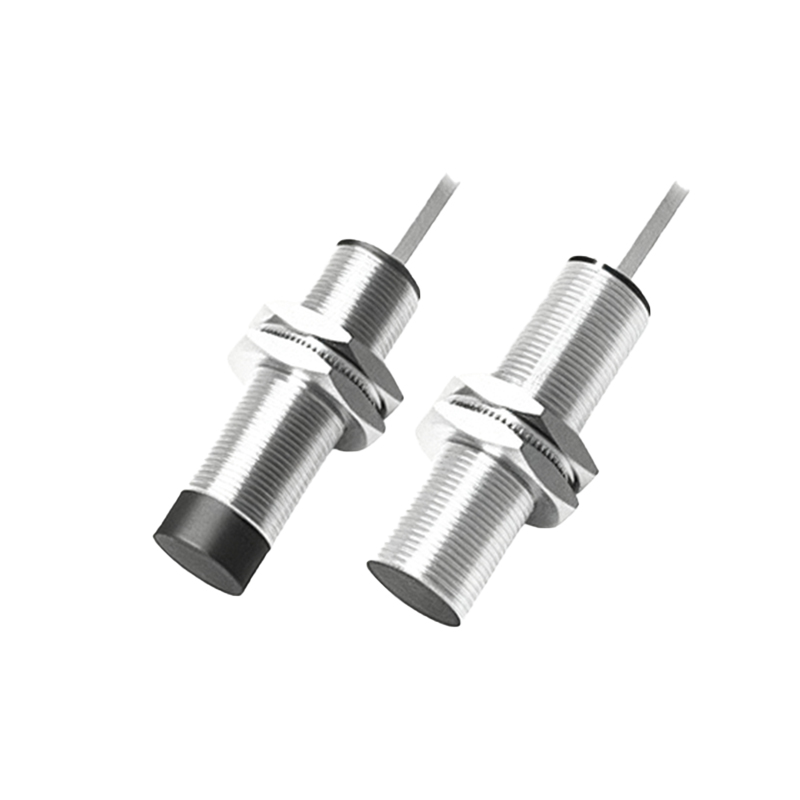
The primary function of a capacitive sensor is non-contact detection. This eliminates mechanical wear and tear, ensuring a long operational life and high reliability. A significant advantage is its ability to sense non-metallic objects through non-metallic barriers. For instance, it can detect the level of a liquid inside a plastic or glass tank from the outside, enabling non-invasive monitoring. These sensors are largely insensitive to target color, surface texture, or reflectivity, focusing instead on the material's dielectric properties. They offer adjustable sensing ranges, often via a potentiometer, allowing fine-tuning for specific applications and to compensate for environmental factors like humidity or dust accumulation on the face.
Common Industrial Applications
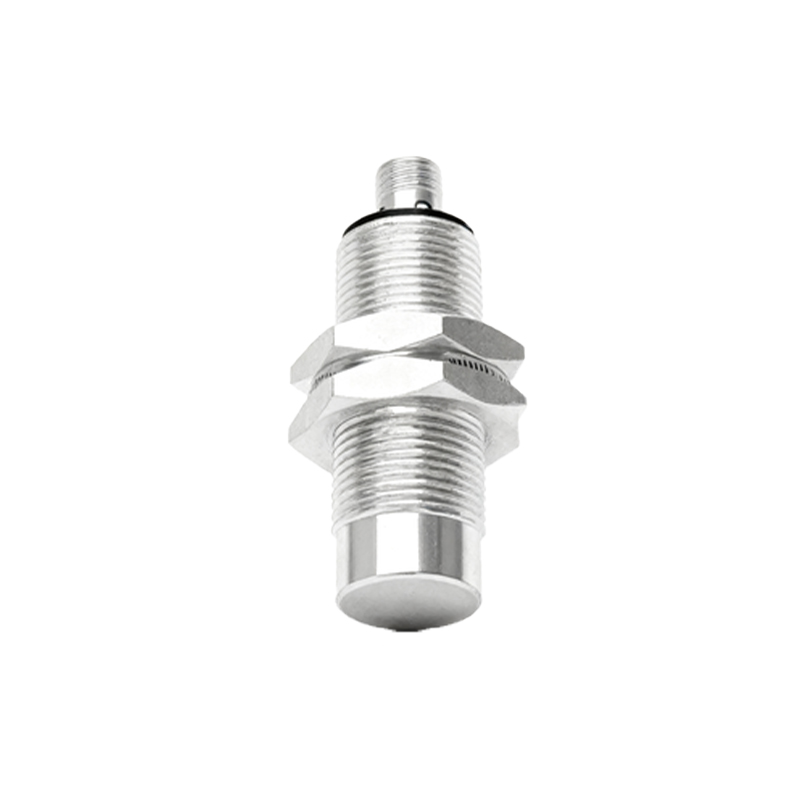
Capacitive proximity sensors find extensive use across numerous industries due to their material-agnostic detection capability. In packaging, they verify the presence of plastic bottles, cardboard boxes, or foil lids on production lines. In the food and beverage sector, they are crucial for liquid level detection in containers, powder level sensing in silos, and presence checking of products on conveyors. Woodworking and paper industries utilize them to monitor material sheets, stacks, or rolls. Furthermore, they are employed in assembly automation to detect the presence of plastic components, gaskets, or rubber parts. Their ability to function behind insulating walls makes them ideal for clean or hazardous environments where the sensor must be isolated.
Critical Selection and Installation Factors
Selecting the correct capacitive sensor requires careful consideration of several parameters. The nominal sensing distance, specified for a standard target (often steel), is a starting point, but note that the effective range varies with the target material's dielectric constant. The housing material (typically PBT, PTFE, or stainless steel) must be chosen based on the environmental conditions, including exposure to chemicals, washdowns, or extreme temperatures. Output type (PNP/NPN, NO/NC) must match the control system's input requirements. Proper installation is paramount; sensors must be mounted securely, and adequate clearance from surrounding metal objects (flush or non-flush mounting) must be maintained as per datasheet specifications to prevent false triggering from the background.
Configuration, Troubleshooting, and Best Practices
Most capacitive sensors feature a sensitivity adjustment screw. This allows the user to set the detection threshold precisely, optimizing it for the specific target while ignoring the container material or background. A common practice is to power the sensor, present the target, and slowly adjust the sensitivity until the output activates reliably. For troubleshooting, common issues include failure to detect, which may be due to insufficient sensitivity, a target with too low a dielectric constant, or excessive sensing distance. Chattering or false signals can result from environmental interference, conductive dust buildup on the sensor face, or an unstable power supply. Regular cleaning of the sensing face and verifying the supply voltage are essential maintenance steps.