Understanding Photoelectric Sensor Technology
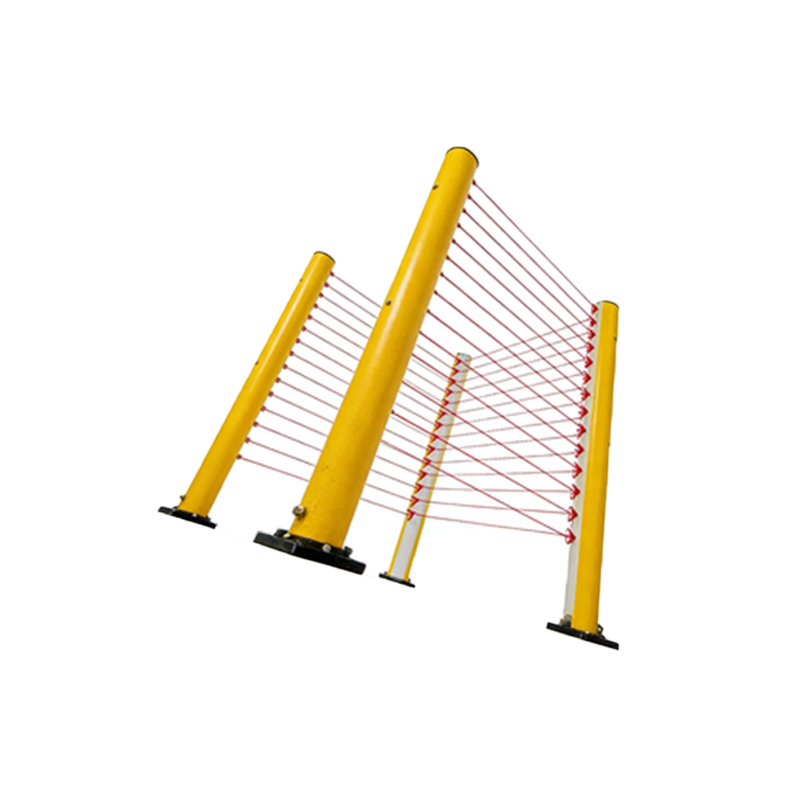
Photoelectric sensors are indispensable components in modern industrial automation, utilizing light beams to detect the presence, absence, or distance of objects. Their operation is based on three primary principles: through-beam, retro-reflective, and diffuse reflective sensing. Through-beam sensors offer the longest sensing ranges and highest reliability, with a separate emitter and receiver. Retro-reflective types use a reflector to bounce the light back to a combined unit, providing a good balance of range and ease of installation. Diffuse sensors detect light reflected directly from the target object itself, making them ideal for close-range applications and varied surface detection. A deep understanding of these technologies is crucial for selecting the right sensor for specific manufacturing tasks, such as precise positioning on assembly lines, counting products on conveyors, or ensuring safety in robotic work cells.
Key Criteria for Selecting a Reliable Supplier
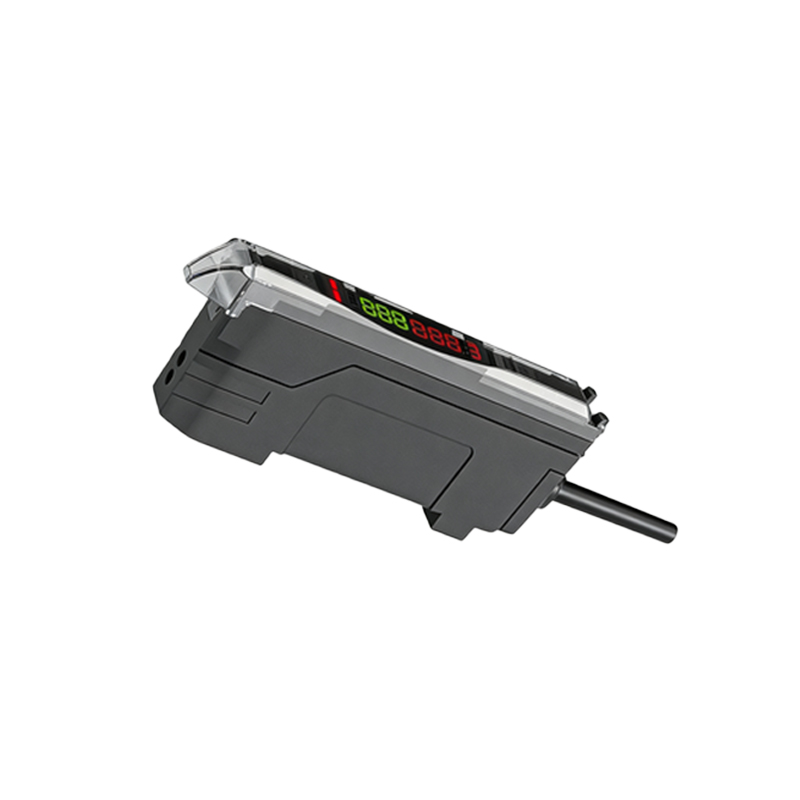
Choosing the right supplier goes beyond just comparing price lists. For mission-critical components like photoelectric sensors, reliability, technical support, and supply chain stability are paramount. First, evaluate the supplier's product portfolio for breadth and depth—do they offer a comprehensive range including miniature sensors, fiber optic types, and specialized variants for harsh environments? Second, assess their technical expertise and availability of application engineers who can assist with complex integration challenges. Third, consider their global logistics network and inventory management; consistent availability and short lead times prevent costly production downtime. Finally, scrutinize their quality certifications, such as ISO standards, and the robustness of their warranty and after-sales service. A supplier that excels in these areas becomes a true strategic partner.
Leading Global Manufacturers and Their Strengths
The market for photoelectric sensors is dominated by several established global players, each with distinct strengths. Omron Automation is renowned for its innovation, offering sensors with advanced features like background suppression and precise color recognition, ideal for sophisticated electronics and packaging lines. Sick AG provides exceptionally durable sensors designed for extreme industrial conditions, including high temperatures and washdown environments common in food and beverage or pharmaceutical manufacturing. Keyence Corporation stands out for its ultra-high precision and easy-to-set-up sensors, often incorporating laser technology for micrometer-level accuracy in semiconductor and precision engineering. Banner Engineering is praised for its user-friendly designs, reliable performance in standard applications, and strong value proposition. These manufacturers set the benchmark for performance and reliability.
Specialized and Niche Market Suppliers
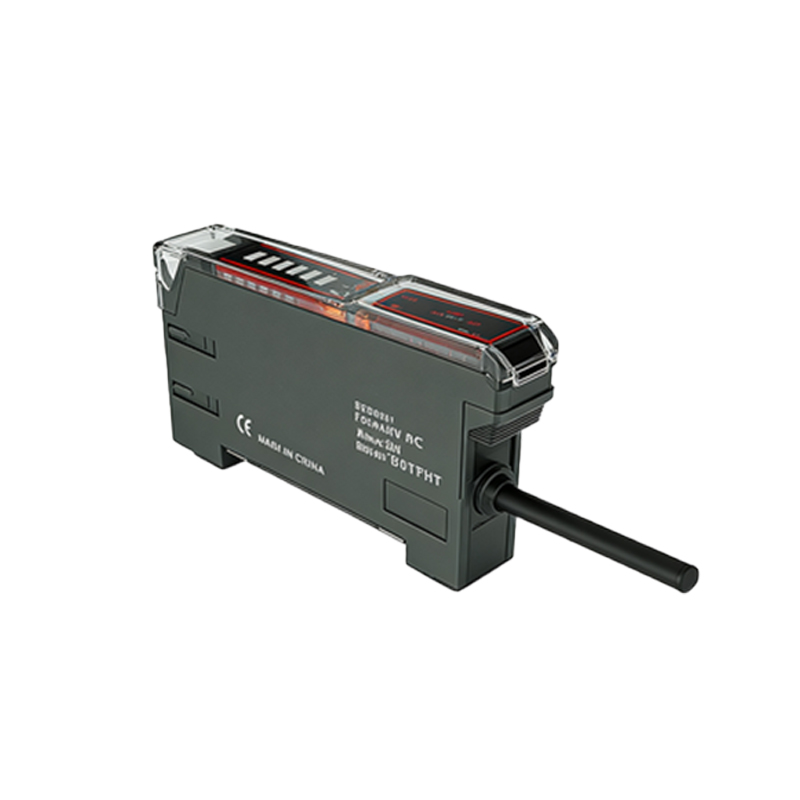
Beyond the industry giants, several specialized suppliers cater to unique or cost-sensitive applications. Companies like Pepperl+Fuchs offer exceptional expertise in sensors for hazardous areas requiring intrinsic safety certifications. For applications demanding extreme miniaturization, suppliers like Balluff provide sensors that can fit into incredibly tight spaces on modern machinery. Furthermore, several reputable suppliers in regions like Europe and North America focus on providing high-quality, standardized sensors with excellent local support and faster delivery times for regional manufacturers. It is also prudent to evaluate emerging suppliers from established manufacturing hubs who may offer competitive alternatives for more standard sensor types, provided their quality control and documentation meet international standards.
Best Practices for Sourcing and Procurement
Effective sourcing of photoelectric sensors requires a structured approach. Begin by clearly defining your application requirements: sensing distance, target material, size, required output, and environmental factors like dust, moisture, or vibration. Request samples from shortlisted suppliers to perform real-world testing on your equipment before committing to a large order. Develop a relationship with local distributors or direct sales representatives of your chosen manufacturers; they are invaluable resources for technical updates and emergency support. Consider implementing a dual-sourcing strategy for critical sensor types to mitigate supply chain risks. Finally, leverage online procurement platforms and industry trade shows to stay informed about the latest product developments and to benchmark prices and services, ensuring you secure both quality and value for your manufacturing operations.