Understanding the Core Principles of Photoelectric Sensing
At its heart, a photoelectric sensor is a device that uses light to detect the presence, absence, or distance of an object. The fundamental operation involves an emitter, which projects a light beam, and a receiver, which detects the light. When the emitted light is interrupted or reflected by a target object, it causes a change in the amount of light received. This change is then converted by the sensor's internal circuitry into an electrical output signal, typically used to switch a load or communicate with a control system like a PLC. The light source is most commonly a light-emitting diode (LED), chosen for its long life, reliability, and ability to be modulated at high frequencies to reduce interference from ambient light. Lasers are also used for applications requiring a highly focused beam for precise detection or long sensing ranges. The key advantage of photoelectric sensors lies in their non-contact detection capability, allowing them to sense objects without physical touch, which minimizes wear and tear and enables high-speed operation.
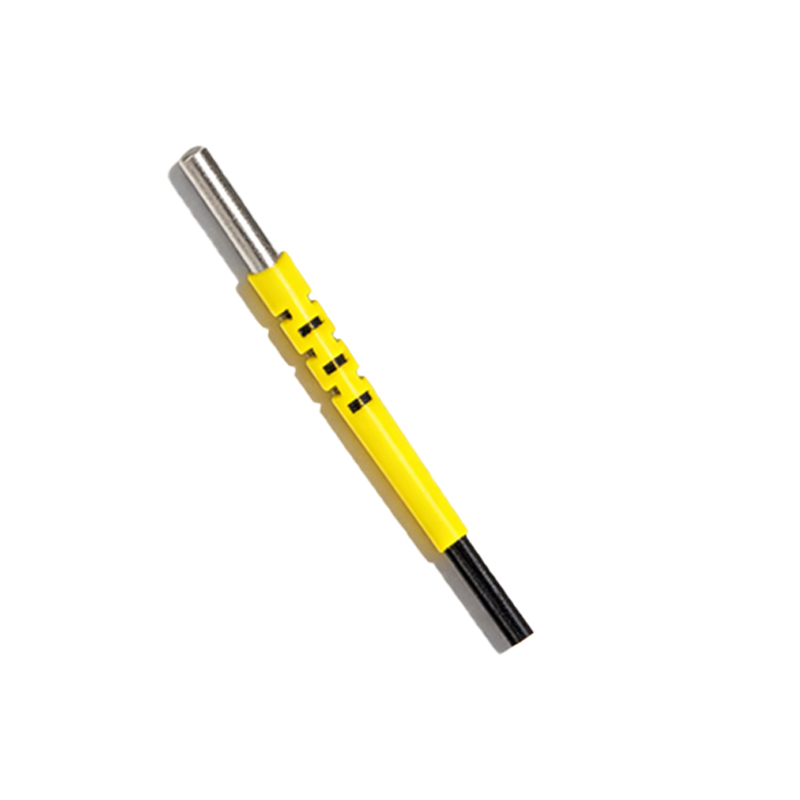
Exploring the Four Primary Sensing Modes
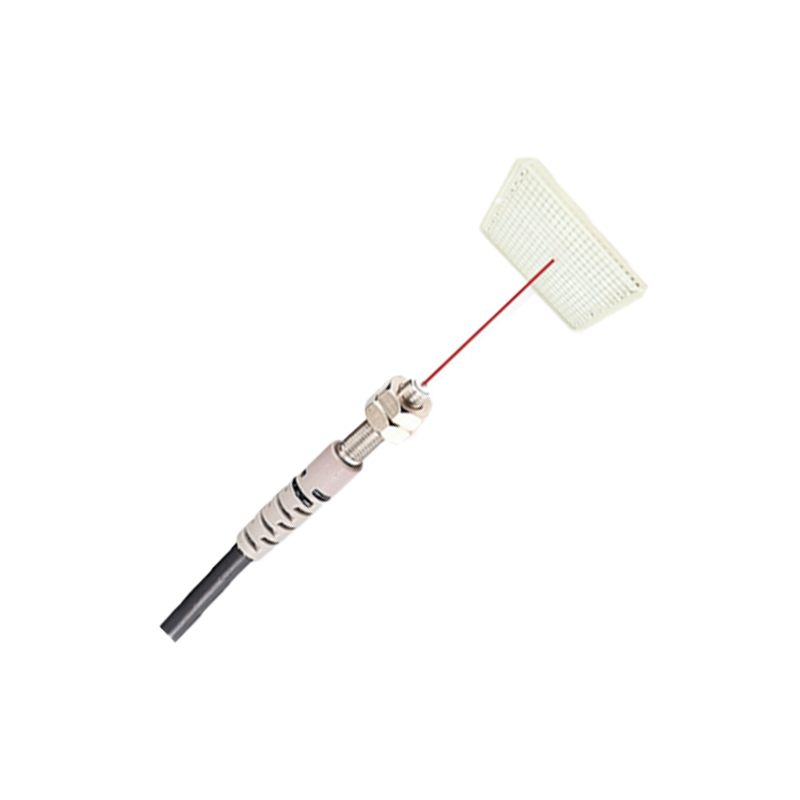
Photoelectric sensors are categorized based on how the emitted light reaches the receiver. The first and most common type is the Through-Beam (or Opposed) Sensor. This configuration consists of separate, opposing emitter and receiver units. Detection occurs when the target object physically breaks the light beam traveling between them. Through-beam sensors offer the longest sensing ranges and highest reliability, as they are less affected by the object's color, surface finish, or angle. They are ideal for precise detection in demanding environments. The second type is the Retroreflective Sensor. Here, both emitter and receiver are housed in a single unit. The sensor uses a special reflector, often a corner-cube reflector, to bounce the emitted light back to the receiver. Detection happens when an object interrupts this reflected beam. These sensors simplify installation by requiring wiring on only one side, offering a good balance of range and convenience. The third category is the Diffuse (or Proximity) Sensor. This self-contained unit detects an object when the emitted light reflects off the object's surface and scatters back to the receiver. The sensing distance depends heavily on the object's size, color, and texture, with lighter, more reflective materials providing longer ranges. Finally, Background Suppression (BGS) and Fixed-Field Sensors are advanced types of diffuse sensors. They use triangulation or specialized optics to detect objects only within a specific, defined sensing field, effectively ignoring more distant backgrounds. This makes them perfect for detecting objects on a conveyor belt or against a varying background.
Key Applications Across Modern Industries
The versatility of photoelectric sensors makes them indispensable in automation and manufacturing. In packaging and material handling, they are used for object counting, jam detection, and verifying the presence of products on high-speed conveyors. Through-beam sensors often guard safety light curtains or detect small parts. In the automotive industry, they ensure precise positioning of components on assembly lines and verify robot tooling positions. Diffuse and background suppression sensors excel at detecting transparent objects like glass or plastic bottles in bottling plants, a task challenging for other sensor types. They are also crucial for edge detection in web guiding systems for paper, film, and textiles. In food and beverage processing, their non-contact nature is ideal for hygienic environments, used for fill-level detection, cap placement verification, and label sensing. Furthermore, advanced versions with analog outputs are employed for precise distance measurement and contour profiling in quality control applications.
Critical Factors for Sensor Selection and Installation
Selecting the right photoelectric sensor requires careful consideration of several parameters. The primary factor is the sensing range, which must accommodate the maximum distance to the target. Target characteristics such as size, color, material, and surface finish (shiny, matte, transparent) directly influence the choice of sensing mode; a glossy object might require a polarized retroreflective sensor to avoid false triggers from direct reflection. The operating environment is crucial; sensors exposed to dust, moisture, or washdowns need high Ingress Protection (IP) ratings, while those in areas with heavy ambient light interference may require modulated LED light sources. Output type must match the control system, with options including discrete NPN/PNP, relay, and analog (4-20mA, 0-10V) outputs. For networking, IO-Link enabled sensors provide valuable diagnostic data. During installation, proper alignment is critical for through-beam and retroreflective types. For diffuse sensors, understanding the sensor's specific sensing field and setting an appropriate sensitivity threshold is key to stable operation. Regular maintenance, primarily lens cleaning to prevent buildup from dust or oil, ensures long-term reliability and prevents costly downtime.