Introduction to Proximity Sensing Technology
Proximity sensors are fundamental components in modern industrial automation and control systems. These non-contact devices detect the presence or absence of an object within a specified sensing range without any physical contact. The core principle involves generating an electromagnetic field or beam of radiation and monitoring for changes in the field or return signal. This technology enables reliable, high-speed detection in harsh environments where mechanical switches would fail due to contamination, wear, or the need for rapid operation. From assembly lines and robotic arms to consumer electronics and automotive safety systems, proximity sensors provide the essential "eyes" for machines, facilitating precise positioning, counting, and object detection tasks. Their ability to operate without touching the target object minimizes maintenance and eliminates mechanical stress on both the sensor and the target.
Primary Operating Principles and Types
Proximity sensors are categorized based on their underlying detection technology. Inductive proximity sensors are the most common in industrial settings for detecting metallic objects. They generate an oscillating electromagnetic field from a coil. When a conductive metal enters this field, it induces eddy currents, which dampen the oscillation, triggering a detection signal. These sensors are robust, immune to environmental factors like dust or oil, and ideal for detecting ferrous and non-ferrous metals. Capacitive proximity sensors, on the other hand, can detect both metallic and non-metallic materials, including liquids, plastics, and wood. They function by generating an electrostatic field. Any object that enters this field alters the sensor's capacitance, leading to a change in the oscillator's amplitude and subsequent switching. This makes them versatile for level detection or material presence applications.
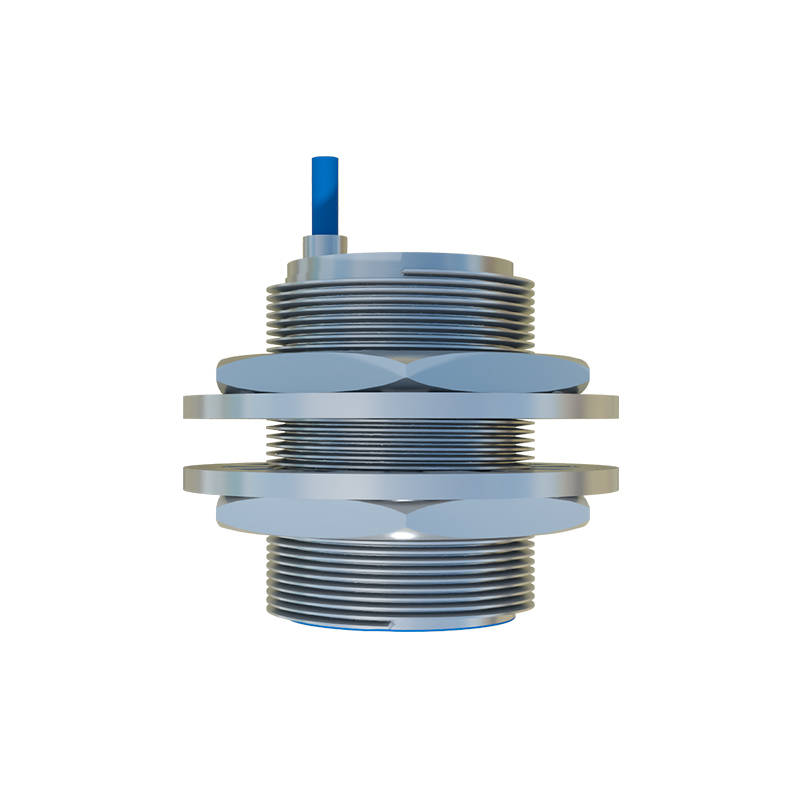
Advanced Sensing Technologies: Ultrasonic and Photoelectric
Beyond inductive and capacitive types, ultrasonic and photoelectric sensors represent advanced proximity sensing solutions. Ultrasonic proximity sensors emit high-frequency sound waves and evaluate the echo received after bouncing off a target. By measuring the time interval between sending the signal and receiving the echo, they can calculate the distance to the object. This technology is excellent for detecting objects of varying materials, colors, and transparency, and it performs well in challenging environments with dust, smoke, or vapors. Photoelectric sensors utilize a light emitter (usually LED or laser) and a receiver. They detect objects by interpreting changes in the received light signal. Common modes include through-beam (object breaks a beam between separate emitter and receiver), retro-reflective (object breaks a beam reflected from a reflector), and diffuse (object reflects light back to the receiver). These sensors offer long sensing ranges and high precision.
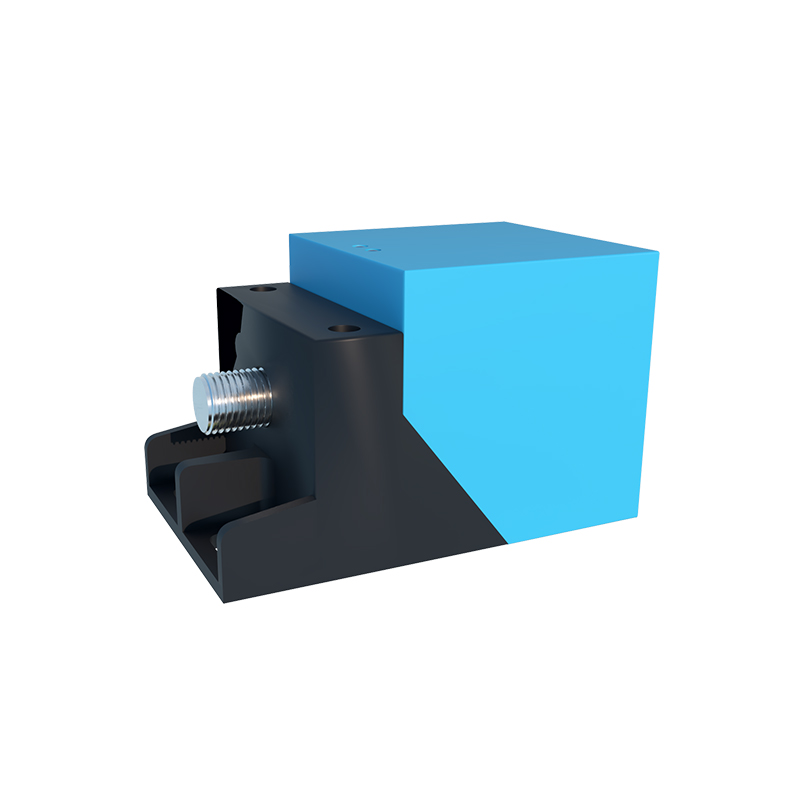
Key Selection Criteria for Industrial Applications
Selecting the appropriate proximity sensor requires careful analysis of several parameters. The sensing range, or the maximum distance at which the sensor can reliably detect a standard target, is paramount. The target material directly dictates whether an inductive, capacitive, or other type is needed. Environmental conditions such as temperature extremes, presence of chemicals, washdown requirements, or electrical noise influence the housing material (e.g., stainless steel, PBT plastic) and protection rating (IP or NEMA). Output configuration is another critical factor; sensors typically provide digital outputs like NPN, PNP, or analog outputs (4-20 mA, 0-10V) for distance-proportional signals. Response time and switching frequency determine how fast the sensor can detect objects in high-speed applications. Finally, physical factors like size, mounting style (flush or non-flush), and connection type must align with the mechanical design.
Installation, Configuration, and Best Practices
Proper installation is crucial for optimal sensor performance and longevity. For inductive sensors, maintaining the correct mounting distance from metal backplanes or adjacent sensors is essential to prevent mutual interference, known as the "mounting groove" rule for flush-style sensors. Ensuring a stable power supply with adequate protection against voltage spikes and reverse polarity is mandatory. During configuration, fine-tuning the sensitivity potentiometer (if available) helps avoid false triggers from background objects or environmental noise. Regular maintenance involves cleaning the sensing face to remove debris, checking for physical damage, and verifying the output signal under operational conditions. Implementing best practices, such as using shielded cables in electrically noisy environments and following manufacturer guidelines for temperature and humidity, significantly enhances system reliability.
Future Trends and Industry 4.0 Integration
The evolution of proximity sensors is closely tied to the advancement of Industry 4.0 and the Industrial Internet of Things (IIoT). Modern sensors are increasingly equipped with smart features like IO-Link communication. This digital interface allows for bidirectional data exchange, enabling remote configuration, real-time diagnostics (e.g., temperature monitoring, signal strength), and predictive maintenance alerts. Sensor fusion, combining data from proximity sensors with other sensor types like vision or inertial measurement