Introduction to High Sensing Distance Metal Proximity Photoelectric Sensors
In the realm of industrial automation, the ability to detect objects reliably and from a considerable distance is paramount. High sensing distance metal proximity photoelectric sensors represent a critical advancement in this field. These sophisticated devices combine the principles of photoelectric sensing with specialized designs to detect metallic objects at ranges significantly greater than standard proximity sensors. Unlike inductive proximity sensors, which rely on electromagnetic fields and have limited range, these photoelectric variants use light beams—typically infrared, visible red, or laser—to sense the presence of metal. The "high sensing distance" capability, often ranging from several centimeters to over ten meters depending on the model and technology, makes them indispensable for applications requiring early detection, safety perimeters, or handling large machinery where sensors cannot be mounted close to the target.
Core Operating Principles and Technologies
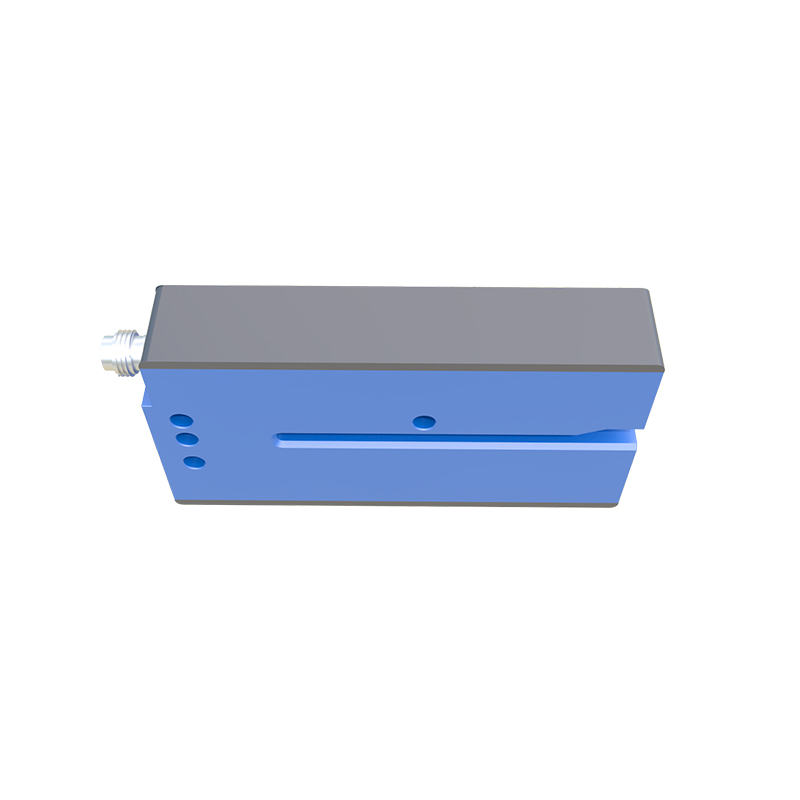
The fundamental operation hinges on the modulation and reception of a light beam. A transmitter emits a focused beam of light. When this beam strikes a metallic surface, a portion of the light is reflected back towards the sensor. A separate receiver component detects this reflected light. The sensor's internal circuitry then processes this signal to confirm an object's presence. For long-distance detection of metals, several key technologies are employed. Laser diode light sources are prevalent due to their highly collimated, intense beam that minimizes dispersion over distance, enabling precise long-range sensing. Advanced models utilize background suppression technology or time-of-flight (ToF) measurement. Background suppression allows the sensor to ignore reflections from distant surfaces, focusing only on objects within a defined, adjustable range. ToF sensors calculate distance by measuring the time delay between the emission and reception of the light pulse, providing highly accurate distance data, not just a presence/absence signal.
Key Advantages in Industrial Settings

The primary advantage is the extended sensing range, which offers unparalleled flexibility in system design. Engineers can mount sensors further away from hazardous or difficult-to-access points, enhancing safety and simplifying maintenance. These sensors are also remarkably versatile; they can detect a wide variety of metallic objects regardless of the metal's color, surface finish (to a certain extent), or magnetic properties, which can challenge inductive sensors. Their response time is extremely fast, making them suitable for high-speed production lines and packaging machinery. Furthermore, many high-end models feature exceptional resistance to environmental interference such as ambient light, dust, and mild vapors, thanks to modulated light signals and specialized optical filters, ensuring stable operation in challenging industrial environments.
Critical Application Areas and Use Cases
These sensors find critical roles across diverse industries. In material handling and logistics, they are used for pallet detection, conveyor line control, and robot guidance in warehouses, where detecting the presence of metal racks or vehicles from a distance ensures smooth workflow. The automotive manufacturing sector relies on them for precise positioning of vehicle bodies on assembly lines and for safety guarding around robotic welding cells. In the packaging industry, they detect metalized films or foil seals on production lines. A vital application is in safety systems, where they create non-contact safety curtains or light barriers around dangerous machinery, instantly halting operation if a breach is detected, thereby protecting personnel from a distance.
Selection Criteria and Installation Considerations
Selecting the appropriate sensor requires careful analysis of several parameters. The required sensing distance is the foremost criterion, but one must also consider the minimum detectable object size, the reflectivity of the target metal (dull vs. shiny), and the required output type (PNP/NPN, analog, or IO-Link). The environmental conditions are crucial; sensors with high IP ratings (e.g., IP67, IP69K) are necessary for washdown or outdoor applications. Beam pattern (spot size) is another factor; a small, precise spot is ideal for detecting small parts, while a larger beam may be better for less precise positioning. During installation, proper alignment is critical for long-range sensors. Vibration-resistant mounting brackets and protective housings may be needed. Regular maintenance, such as cleaning the lens from dust and oil buildup, is essential to maintain optimal sensing performance over the long term.
Future Trends and Integration with Industry 4.0
The evolution of high sensing distance photoelectric sensors is tightly coupled with the rise of Industry 4.0 and smart factories. Future sensors will feature enhanced connectivity through industrial Ethernet protocols like EtherNet/IP, PROFINET, and IO-Link. IO-Link, in particular, allows for bidirectional communication, enabling remote configuration, real-time diagnostics, and the transmission of process data (e.g., exact distance measurements) directly to controllers or cloud systems. Advancements in optics and signal processing will lead to sensors with even longer ranges, higher accuracy, and improved ability to function in extreme conditions. Integration with artificial intelligence for predictive maintenance, where the sensor can report on its own health or changing environmental conditions, is on the horizon, promising to further increase system uptime and reliability.