Introduction to Photoelectric Sensors
Photoelectric sensors are pivotal components in modern industrial automation, leveraging light beams to detect the presence, absence, or distance of objects. These devices operate by emitting a light source—typically infrared, visible, or laser light—toward a target. The sensor's receiver then captures the reflected or transmitted light, converting optical signals into electrical outputs. This fundamental principle enables non-contact detection, making photoelectric sensors ideal for applications requiring high precision, speed, and reliability. Their versatility spans across manufacturing, packaging, and robotics, where they monitor processes, ensure safety, and enhance efficiency. Unlike mechanical switches, photoelectric sensors minimize wear and tear, offering long-term durability in harsh environments. Understanding their sampling mechanisms is essential for optimizing performance in complex systems.
Core Sampling Principles
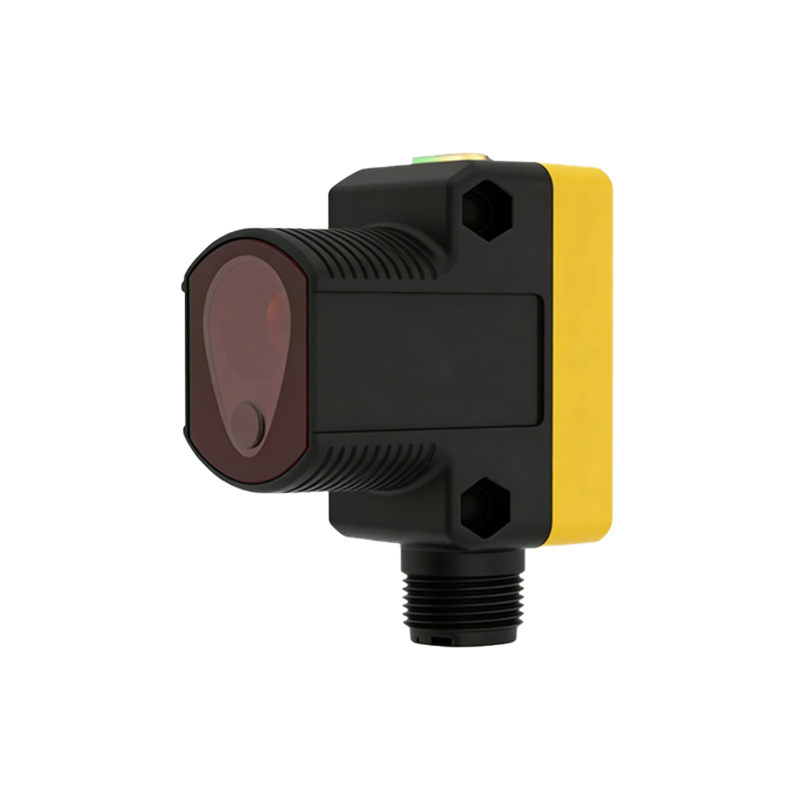
The sampling principle of photoelectric sensors revolves around light modulation and signal processing. When an object interrupts or reflects the emitted light beam, the sensor's photodetector—such as a phototransistor or photodiode—measures the change in light intensity. This analog signal is then sampled at high frequencies to capture real-time data. Key to this process is the use of pulsed light emission, which reduces interference from ambient light and improves accuracy. The sensor's internal circuitry converts the sampled optical data into digital signals, comparing it against predefined thresholds to determine object detection. For instance, in diffuse reflection sensors, the receiver analyzes the amount of light bounced back from a target, with sampling rates adjusted based on material reflectivity and distance. Throughput sampling ensures rapid response times, often in milliseconds, critical for high-speed production lines.
Types of Photoelectric Sampling Methods
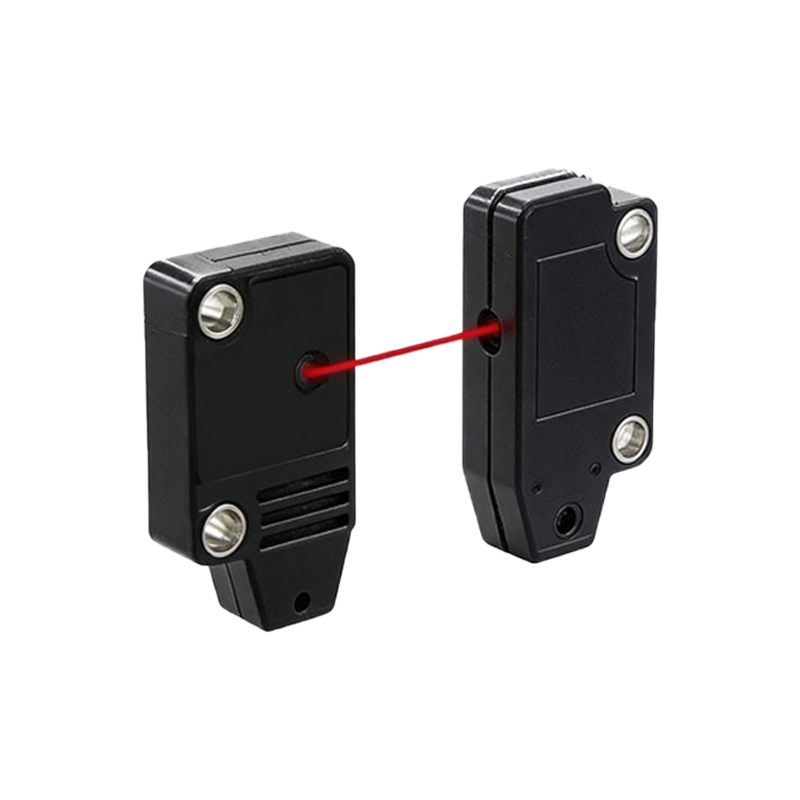
Photoelectric sensors employ various sampling methods tailored to specific applications. Through-beam sensors, consisting of separate emitter and receiver units, sample light transmission directly; interruption of the beam triggers detection, offering high accuracy over long distances. Retro-reflective sensors use a reflector to bounce light back to the receiver, sampling the reflected signal to identify objects breaking the beam. Diffuse reflection sensors integrate emitter and receiver in one housing, sampling scattered light from nearby targets, ideal for detecting non-reflective materials. Background suppression sensors sample light angles to distinguish objects from backgrounds, preventing false triggers. Color contrast sensors sample specific wavelengths to differentiate colors, while luminescence sensors detect UV or IR emissions. Each method relies on precise sampling algorithms to filter noise and enhance signal clarity.
Signal Processing and Noise Reduction
Effective sampling in photoelectric sensors depends on advanced signal processing techniques. After light detection, the analog signal undergoes amplification and filtering to eliminate electrical noise and environmental interference. Sampling circuits use analog-to-digital converters (ADCs) to digitize the signal, enabling microprocessors to analyze data patterns. Time-based sampling, such as pulse-width modulation, helps distinguish sensor signals from ambient light fluctuations. Adaptive sampling algorithms adjust sensitivity dynamically based on operating conditions, like dust or vibration. For example, in automated warehouses, sensors employ frequency modulation to avoid crosstalk from multiple devices. Error-correction protocols, including checksums and redundancy, ensure reliable data transmission to control systems. These processes uphold sampling integrity, reducing false positives and maintaining detection consistency.
Applications in Industrial Automation
In industrial settings, photoelectric sensor sampling drives numerous automation tasks. On conveyor belts, through-beam sensors sample object passage to count items or trigger sorting mechanisms, with high sampling rates ensuring no missed detections. Robotic arms use diffuse sensors to sample workpiece positions, enabling precise pick-and-place operations. In packaging lines, color sensors sample label contrasts to verify correct packaging, while safety curtains sample light grids to halt machinery upon intrusion. Automotive assembly relies on background suppression sensors to sample part alignments, preventing defects. Sampling data integrates with PLCs (Programmable Logic Controllers) for real-time monitoring, facilitating predictive maintenance and quality control. These applications highlight how tailored sampling strategies enhance productivity and safety.
Optimization and Calibration Techniques
To maximize photoelectric sensor performance, proper calibration and optimization of sampling parameters are crucial. Engineers adjust sampling frequency based on object speed; faster movements require higher rates to avoid aliasing. Sensitivity settings fine-tune the light intensity threshold, balancing detection range and false trigger avoidance. Environmental factors, like ambient light or dirty lenses, necessitate periodic recalibration using reference objects. Advanced sensors feature self-diagnostic sampling, monitoring internal health and alerting to issues like lens obstruction. Field testing involves simulating operational conditions to validate sampling accuracy. Documentation of sampling specs—such as response time and sensing distance—ensures compatibility with system requirements. Regular maintenance, including cleaning and alignment checks, sustains optimal sampling over time.
Future Trends and Innovations
Emerging technologies are reshaping photoelectric sensor sampling. Smart sensors with embedded AI algorithms sample data patterns to predict failures or adapt to changing environments autonomously. IoT integration enables remote sampling and analysis, allowing centralized control of distributed sensors. Enhanced materials, like graphene-based photodetectors, promise higher sampling speeds and sensitivity. Miniaturization trends lead to compact sensors with low power consumption, suitable for portable devices. Research into quantum dot sensors aims to sample broader light spectra for multifunctional detection. As Industry 4.0 advances, real-time sampling will fuse with big data analytics, driving smarter, more responsive automation systems. These innovations will expand applications in sectors like healthcare and agriculture, pushing the boundaries of non-contact sensing.