Introduction to Proximity Sensing Technology
A standard proximity sensor is a non-contact electronic device designed to detect the presence or absence of an object within a defined sensing range without any physical contact. These sensors have become fundamental components in modern industrial automation, robotics, and safety systems. They operate by emitting an electromagnetic field or a beam of electromagnetic radiation, and then looking for changes in the field or return signal. The key advantage lies in their ability to perform reliably in harsh environments where dirt, oil, or vibration might compromise mechanical switches. Their longevity and maintenance-free operation make them a cost-effective solution for high-cycle applications.
Core Operating Principles and Types
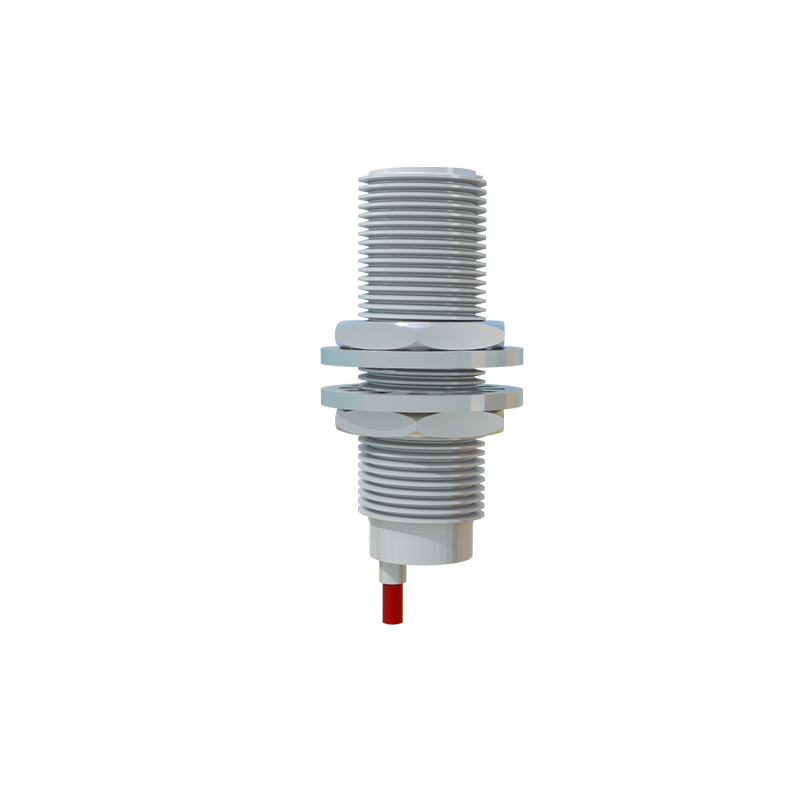
Standard proximity sensors are primarily categorized by their underlying technology. The most common types are inductive, capacitive, and photoelectric. Inductive proximity sensors are used exclusively for detecting metallic objects. They generate an oscillating electromagnetic field from a coil. When a metal target enters this field, eddy currents are induced in the target, which dampens the oscillation amplitude of the sensor's coil. This change triggers the sensor's output circuit to switch. Capacitive sensors can detect both metallic and non-metallic materials like plastic, wood, or liquids. They measure changes in capacitance between the sensor's active surface and the ground, which occurs when any material with a different dielectric constant enters the sensing field. Photoelectric sensors use light, typically infrared or laser, to detect objects. They function by either breaking a beam (through-beam), reflecting light off a target (reflective), or detecting the reflection from a special reflector (retro-reflective).
Key Specifications and Selection Criteria
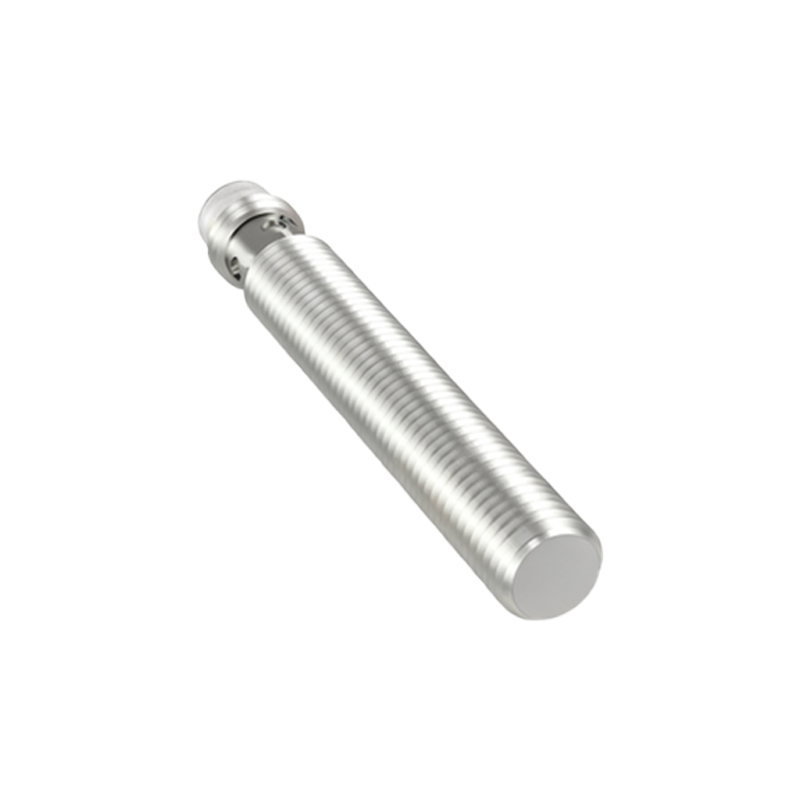
Selecting the correct standard proximity sensor requires careful consideration of several technical parameters. The sensing distance, or nominal range, is critical and varies by sensor type and size. It is important to note that the actual usable sensing distance can be affected by the target material, size, and temperature. The housing material, typically nickel-plated brass, stainless steel, or PBT plastic, must be chosen based on the environmental conditions, including exposure to chemicals, washdowns, or physical impact. Output configuration is another vital choice; sensors can provide digital outputs like NPN (sinking) or PNP (sourcing) transistor signals, or analog outputs (4-20mA, 0-10V) for distance-proportional measurement. Other factors include response time, switching frequency, and protection ratings such as IP67 or IP69K for dust and water ingress.
Wiring and Installation Best Practices
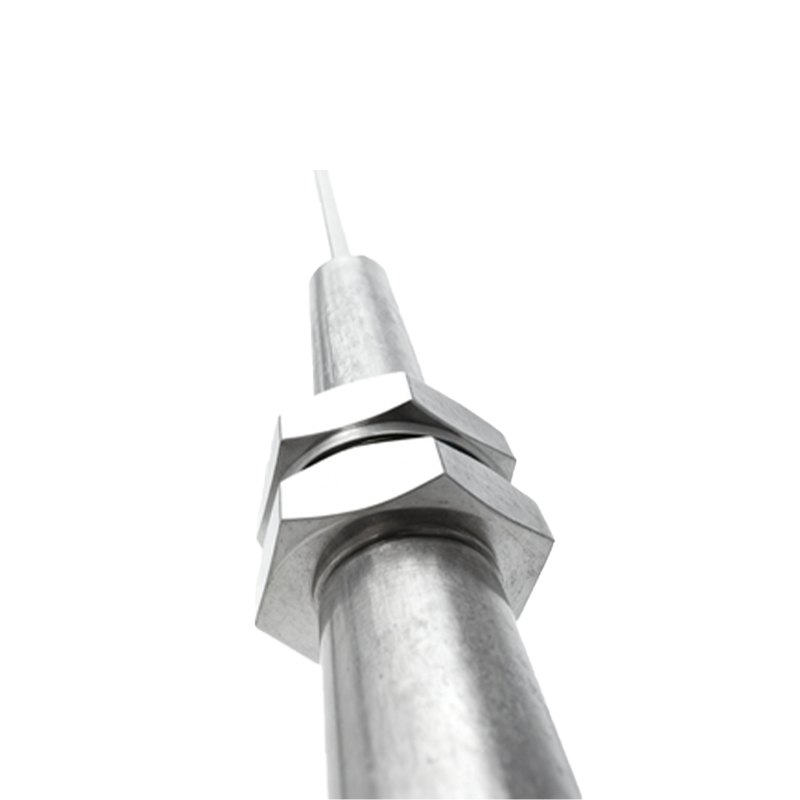
Proper installation is paramount for reliable sensor operation. The sensor must be mounted securely to prevent vibration-induced false triggers. For inductive and capacitive sensors, it is crucial to maintain a "non-sensing" zone around the sensor's sides and rear, as specified by the manufacturer, to avoid interference from the mounting bracket or nearby metal. When wiring, always adhere to the designated connection diagram for the 2-wire, 3-wire, or 4-wire design. For DC sensors, correct polarity must be observed. A brown wire is typically for positive supply (+V), blue for common (0V), and black for the output signal. Shielding and proper cable routing away from power lines help minimize electrical noise interference, which is a common source of erratic behavior.
Common Industrial Applications and Use Cases
The robustness of standard proximity sensors lends them to a vast array of applications. On automated assembly lines, they are used for part presence verification, counting, and end-of-travel positioning. In material handling, they detect the position of pallets on conveyors or the level of items in a bin. Machine tools employ them for tool breakage detection and spindle positioning. Inductive sensors are indispensable in metal stamping and machining for detecting ferrous parts. Capacitive sensors are ideal for monitoring fill levels of liquids or granular materials in tanks and hoppers. Furthermore, they are extensively used in safety systems as part of interlock circuits to ensure guards are closed before a machine can operate.
Troubleshooting and Maintenance Guidelines
Despite their durability, proximity sensors can encounter issues. Common problems include failure to detect an object, intermittent operation, or constant activation. Initial troubleshooting should involve verifying the power supply voltage and checking for loose wiring connections. The sensing face should be cleaned of any debris, oil, or metal chips that could attenuate the sensing field. For inductive sensors, ensuring the target is within the specified range and is large enough to be detected is essential. If a sensor is consistently triggered, investigate the possibility of a "shadow" target or metallic background within the sensing field. Most standard sensors have an LED indicator that shows power status and output switching, which is the first diagnostic tool. Routine maintenance generally involves only periodic visual