In the world of industrial automation and machinery monitoring, turbine proximity sensors are critical components. They play a vital role in measuring rotational speed, detecting position, and ensuring the safe, efficient operation of turbines in power generation, aviation, and heavy machinery. The question of "which company makes the best turbine proximity sensor" is not one with a single, simple answer. The "best" supplier depends heavily on your specific application requirements, environmental conditions, and budget constraints. This guide will walk you through the key factors to consider, helping you make an informed decision without promoting any single brand.
First, understand your core application needs. Are you monitoring a gas turbine in a power plant, a steam turbine in a processing facility, or the auxiliary systems in a wind turbine? Each environment presents unique challenges. High-temperature applications near the turbine core demand sensors with exceptional thermal stability and specialized housing materials. In contrast, applications in vibration-heavy or potentially explosive atmospheres require sensors with robust construction and appropriate certifications like ATEX or IECEx. Clearly defining the operating temperature range, pressure exposure, vibration levels, and required sensing distance is the essential first step.
The technology behind the sensor is a major differentiator. Most turbine proximity sensors operate on the eddy-current principle, offering non-contact measurement of conductive metal targets. However, performance varies. Look for specifications on frequency response, which determines how quickly the sensor can detect changes in speed or position. A high-frequency response is crucial for monitoring rapid rotational changes. Linear output and temperature compensation are also critical for accuracy across a wide operating range. Some advanced suppliers integrate self-diagnostic features and condition monitoring capabilities directly into the sensor, providing early warnings of potential failures.
Reliability and durability are non-negotiable. Turbine environments are punishing. The best suppliers design their sensors to withstand prolonged exposure to heat, oil, moisture, and electromagnetic interference. Examine the build quality: the integrity of the housing, the quality of the cable or connector, and the sealing (often rated with an IP code). A sensor with a high IP rating for dust and water ingress protection will have a longer service life in harsh conditions. Long-term stability, meaning minimal signal drift over years of operation, is a hallmark of a superior product. Request mean time between failure (MTBF) data from potential suppliers.
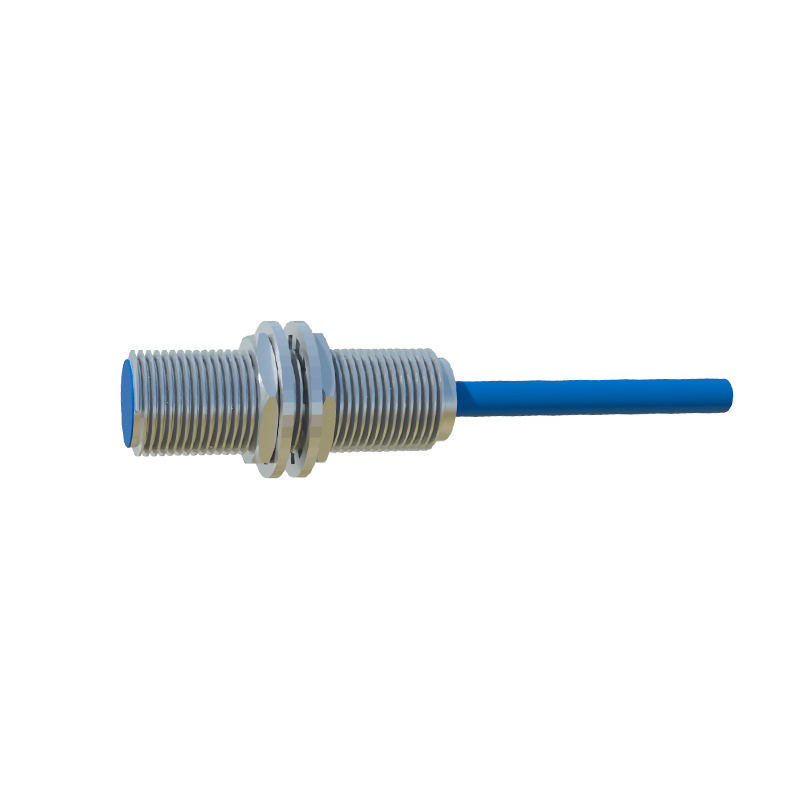
No sensor operates in isolation. Consider the ecosystem. The ideal supplier offers more than just a hardware component. They provide comprehensive technical support, from initial selection and installation guidance to troubleshooting. Availability of detailed documentation, CAD models, and configuration software adds significant value. Furthermore, assess their global support network. If your operations are worldwide, having access to local technical assistance and reliable supply chains for replacements is crucial to minimize downtime. A supplier with a strong reputation for responsive customer service can be more valuable than one with a marginally better technical spec but poor support.
Finally, evaluate the total cost of ownership. The initial purchase price is only one part of the equation. A slightly more expensive sensor from a reputable manufacturer that offers higher reliability, longer lifespan, and better accuracy can lead to far lower costs over time by preventing unplanned shutdowns, reducing maintenance needs, and improving overall process efficiency. Consider warranty terms and the supplier's policy on repair or replacement.
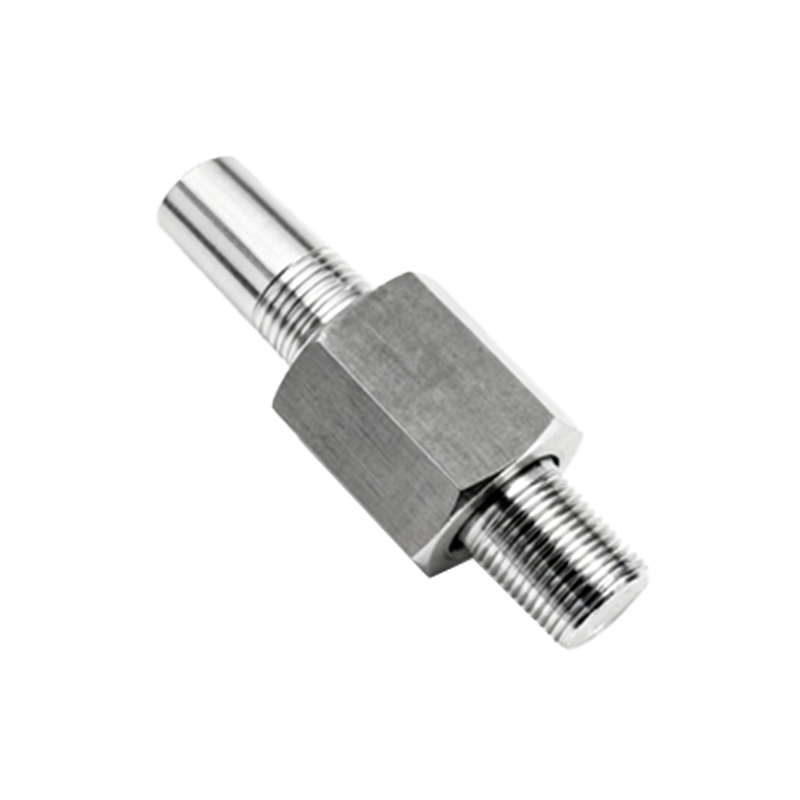
In conclusion, identifying the best turbine proximity sensor supplier is a process of matching detailed technical specifications with operational demands and support expectations. It is recommended to shortlist several established manufacturers known for quality in industrial sensing. Request product samples or test units to validate performance in your specific environment. Consult with engineering peers and review industry case studies. By thoroughly analyzing factors like application fit, technology, durability, support, and lifecycle cost, you can select a partner that ensures the reliability, safety, and efficiency of your critical turbine systems for years to come.