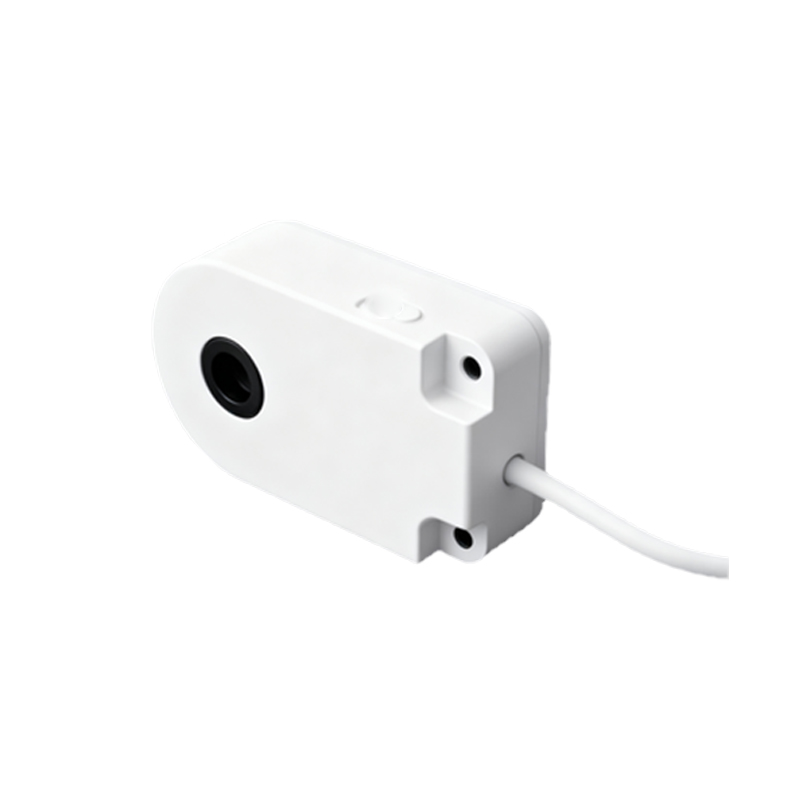
In today's automated industrial landscape, proximity sensors are indispensable components. They enable machinery to detect the presence, absence, or position of objects without physical contact, ensuring precision, safety, and efficiency. If you're tasked with ordering these critical devices, navigating the vast array of options can be daunting. This guide provides a clear, step-by-step approach to ensure you procure the right proximity sensor for your specific application.
The first and most crucial step is defining your application requirements. Proximity sensors are not one-size-fits-all. Begin by identifying what you need the sensor to detect. Is it a metal object? If so, what type—ferrous metals like steel or non-ferrous metals like aluminum, copper, or brass? For metal detection, inductive sensors are the standard choice. If you need to detect non-metallic materials such as wood, plastic, glass, or liquids, a capacitive proximity sensor is required. For precise position detection of any object, regardless of material or color, photoelectric sensors are often the solution. Understanding the target material narrows down your sensor type significantly.
Next, consider the technical specifications. The sensing distance, or range, is paramount. This is the maximum distance at which the sensor can reliably detect the target object. Always choose a sensor with a rated sensing distance slightly greater than your maximum required gap to account for installation tolerances and environmental factors. The physical size and housing style of the sensor are equally important. Will it fit in the allocated space? Common housing styles include cylindrical (threaded barrel), rectangular, and ring-shaped. The housing material, typically nickel-plated brass, stainless steel, or PBT plastic, must be suitable for the operating environment. Will it be exposed to coolants, oils, chemicals, or washdowns? An appropriate Ingress Protection (IP) rating, such as IP67 or IP69K, is essential for harsh conditions.
Electrical characteristics cannot be overlooked. Determine your power supply voltage—is it 10-30V DC (the most common), or a higher AC voltage? The output type is critical for integration with your controller (PLC, relay, etc.). Do you need a Normally Open (NO) or Normally Closed (NC) configuration? The output circuit can be a 2-wire, 3-wire (PNP or NPN sinking/sourcing), or even a 4-wire analog/IO-Link version for advanced diagnostics and parameterization. Matching the output type to your control system's input is mandatory to avoid damage or malfunction.
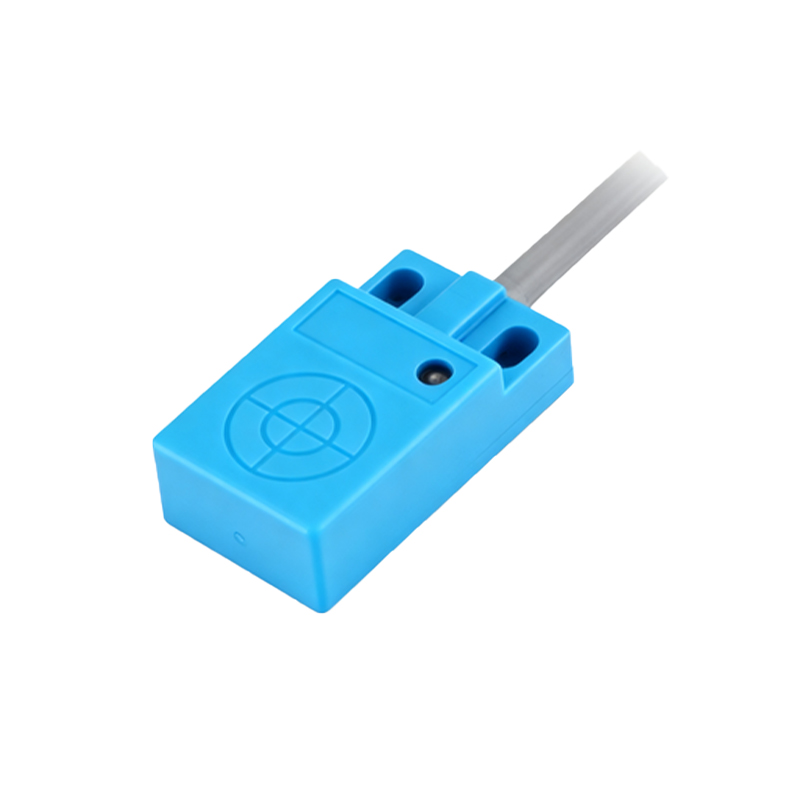
Once your requirements are crystalized, sourcing the sensor is the next phase. Reputable manufacturers like Sick, Omron, Pepperl+Fuchs, Balluff, and Allen-Bradley offer extensive catalogs with detailed datasheets. Utilize their online selection tools and configurators. When reviewing a datasheet, pay close attention to not just the sensing distance, but also the repeat accuracy, response frequency (how fast it can detect objects), and temperature rating. For specialized applications, consider factors like weld-field immunity (for sensors near welding equipment) or factor-1 cylindrical sensors that can detect all metals at the same range.
Finally, the ordering process itself. Most industrial buyers procure through established distributors or directly from manufacturer representatives. Provide your distributor with the complete part number, which encodes the sensor type, size, sensing range, output configuration, and connection style (e.g., cable or connector). Be prepared to specify the required quantity and any desired lead time. For first-time installations or critical applications, consulting with a technical sales engineer is highly recommended. They can validate your selection and may suggest alternatives that offer better performance or cost savings. Remember to also order any necessary mounting brackets, connectors, or protective accessories.
In conclusion, successfully ordering a proximity sensor is a methodical process of application analysis, specification matching, and vendor collaboration. By thoroughly understanding what you need to detect, the environmental challenges, and the electrical interface, you can confidently select a reliable component that will perform flawlessly for years, minimizing downtime and maximizing your system's productivity. Avoid the pitfall of ordering based solely on price or a vague description; precision in procurement leads to precision on the factory floor.