Introduction to Multi-Level Sensing
In the realm of industrial automation, precision and granularity in detection are paramount. Traditional binary proximity sensors, which simply indicate the presence or absence of an object, often fall short in complex applications. This is where 10-level proximity sensors, also known as multi-stage or analog-output proximity sensors, mark a significant technological leap. Unlike their binary counterparts, these advanced devices do not merely detect an object; they measure the relative distance to it with high resolution, typically outputting a signal that corresponds to one of ten distinct detection ranges or levels. This capability transforms a simple on/off switch into a precise measuring instrument, enabling sophisticated control and monitoring within machinery and production lines.
Core Operating Principle
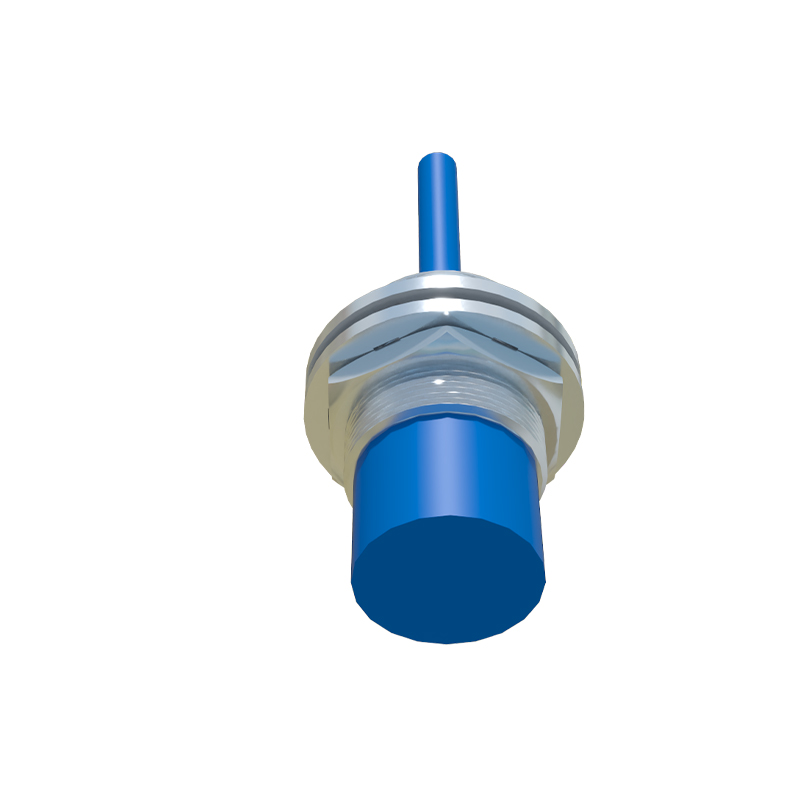
The fundamental operation of a 10-level proximity sensor is based on the principle of electromagnetic induction, capacitive sensing, or ultrasonic technology, depending on the type. For inductive sensors, common for metal detection, a high-frequency oscillating electromagnetic field is generated at the sensing face. When a metallic object enters this field, eddy currents are induced, causing a change in the oscillation amplitude. The key differentiator for a 10-level sensor is its internal circuitry, which analyzes the degree of this change rather than just its occurrence. This analysis is quantized into ten discrete steps, each representing a specific distance band. The output is typically an analog signal (0-10V or 4-20mA) or a digital signal mapped over multiple wires or a bus system, corresponding directly to the detected level.
Enhanced Process Control and Feedback
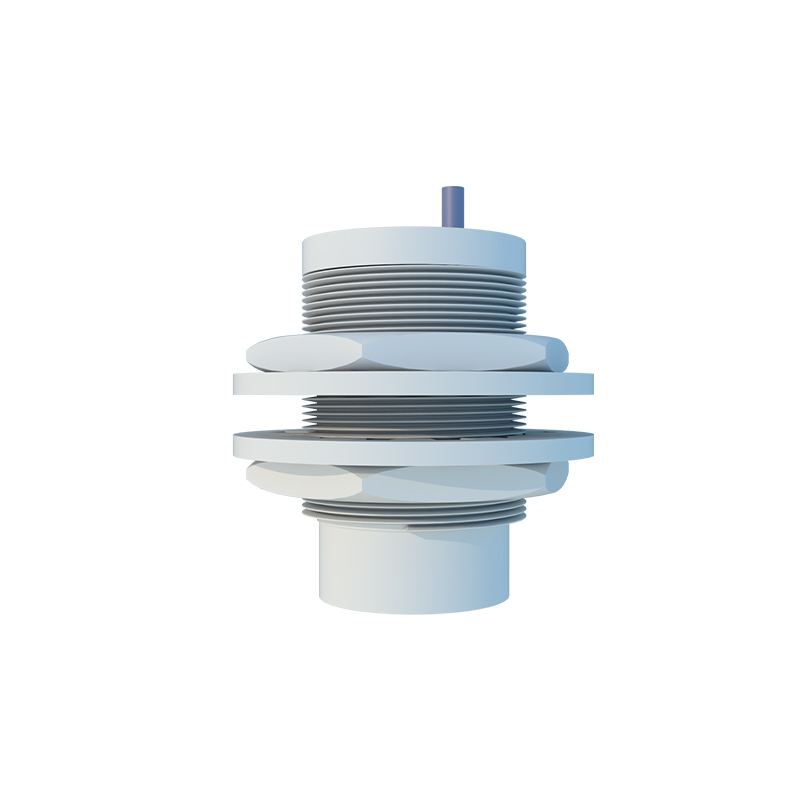
One of the primary roles of a 10-level sensor is to provide continuous, real-time feedback for closed-loop control systems. In applications like robotic arm positioning, the sensor can provide not just a "target reached" signal but detailed information on how far the gripper is from the workpiece throughout the approach. This allows for velocity control—slowing down as the arm gets closer—preventing collisions and reducing mechanical stress. Similarly, in filling stations or dispensing systems, the sensor can monitor material levels in a tank across ten increments, triggering intermediate alerts for partial refills or enabling precise volumetric control based on continuous level data, far superior to a simple "empty/full" indication.
Precision in Dimension and Position Verification
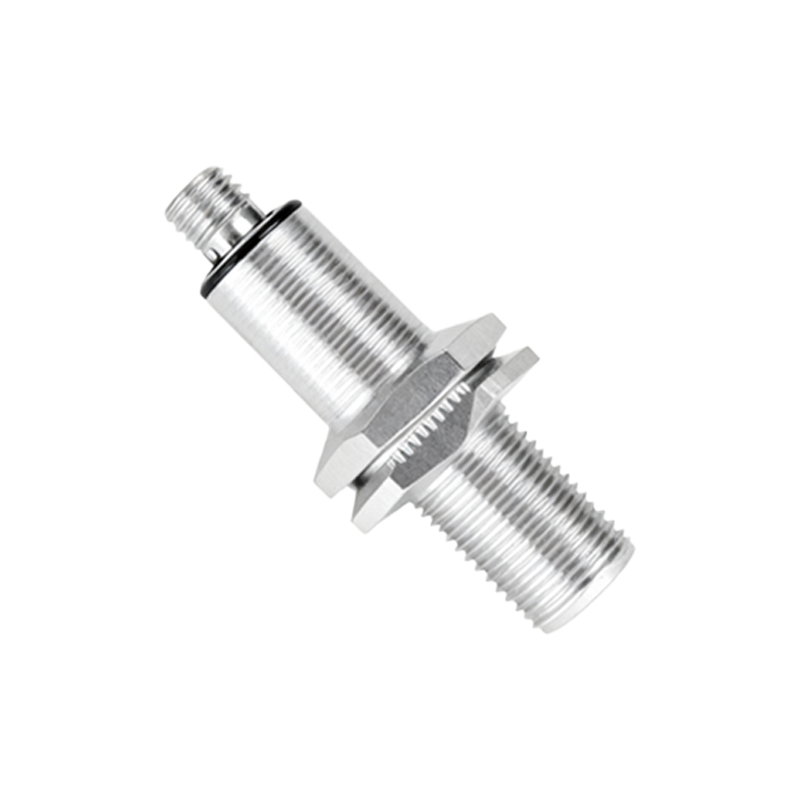
Quality control processes benefit immensely from the granular data provided by these sensors. They can be employed to verify the height, thickness, or warp of manufactured parts on a conveyor. For instance, a sensor mounted above a production line can classify passing objects into one of ten height categories, instantly sorting out components that are out of tolerance. This multi-level inspection allows for grading products by size or detecting subtle deformations that a binary sensor would miss. It effectively acts as a non-contact measuring gauge, ensuring consistent product dimensions without physical contact that could damage delicate items.
Adaptive Machine Behavior and Safety
The multi-level output enables machines to exhibit adaptive behavior. Consider a automated guided vehicle (AGV) or a mobile robot. A 10-level proximity sensor array on its front can map the proximity of obstacles not just as "collision imminent" but as a gradient of distance. This allows the control system to implement tiered responses: continue at full speed when the path is clear, reduce speed when an object is detected at a mid-range level, and initiate a full stop only at the closest level. This creates smoother, more efficient, and safer operation. In collaborative robot (cobot) applications, this granular sensing is crucial for dynamic speed and force separation, enhancing human-robot interaction safety.
Applications in Complex Assembly and Sequencing
In intricate assembly operations, the sequence and precise alignment of multiple parts are critical. A 10-level sensor can monitor the insertion depth of a peg into a hole, confirming it is seated correctly at "level 10" rather than just contacting at "level 1." It can also verify the correct stacking order of layered materials by detecting subtle differences in distance caused by each layer's thickness. This ensures complex assemblies are completed accurately before the process advances, reducing errors and rework. In packaging machinery, such sensors can detect overlapping or misaligned sheets of material by the distinct distance signature they produce.
Integration with Industry 4.0 Systems
The data-rich output of 10-level proximity sensors makes them ideal components for Industry 4.0 and smart factory initiatives. The continuous distance information can be fed directly into Programmable Logic Controllers (PLCs), Industrial PCs, or via IO-Link and other industrial communication protocols into higher-level Manufacturing Execution Systems (MES). This data contributes to predictive maintenance trends (e.g., monitoring wear on a mechanism by tracking gradual changes in positioning