Introduction to Proximity Sensors with Indicator Lights
Proximity sensors with indicator lights are integral components in modern vehicle systems, combining non-contact detection capabilities with visual status feedback. These sensors, commonly utilizing inductive, capacitive, or photoelectric technologies, are designed to detect the presence or absence of an object within a specified range without physical contact. The integrated indicator light, typically an LED, provides immediate visual confirmation of the sensor's operational state—such as power-on, target detection, or fault conditions. In automotive applications, this dual functionality is critical for real-time monitoring and troubleshooting, allowing technicians and drivers to quickly assess system health. The evolution from basic binary sensors to intelligent, indicator-equipped versions marks a significant advancement in vehicle electronics, supporting both safety and maintenance efficiency.

Key Applications in Vehicle Systems
These sensors are deployed across various vehicle subsystems to enhance performance and safety. In advanced driver-assistance systems (ADAS), proximity sensors with lights monitor blind spots, parking distances, and obstacle detection, with the indicator providing alerts to the driver or confirming system activation. For instance, in automated parking systems, sensors around the bumper use lights to signal detection zones during maneuvering. In powertrain and chassis systems, they monitor gear positions, brake pad wear, or suspension movements, where the indicator aids in diagnostic checks during servicing. Additionally, in electric vehicles, such sensors ensure safe charging connector alignment, with lights indicating proper engagement. The visual feedback simplifies complex automated processes, making interactions more intuitive for users and service personnel.
Technical Specifications and Design Considerations
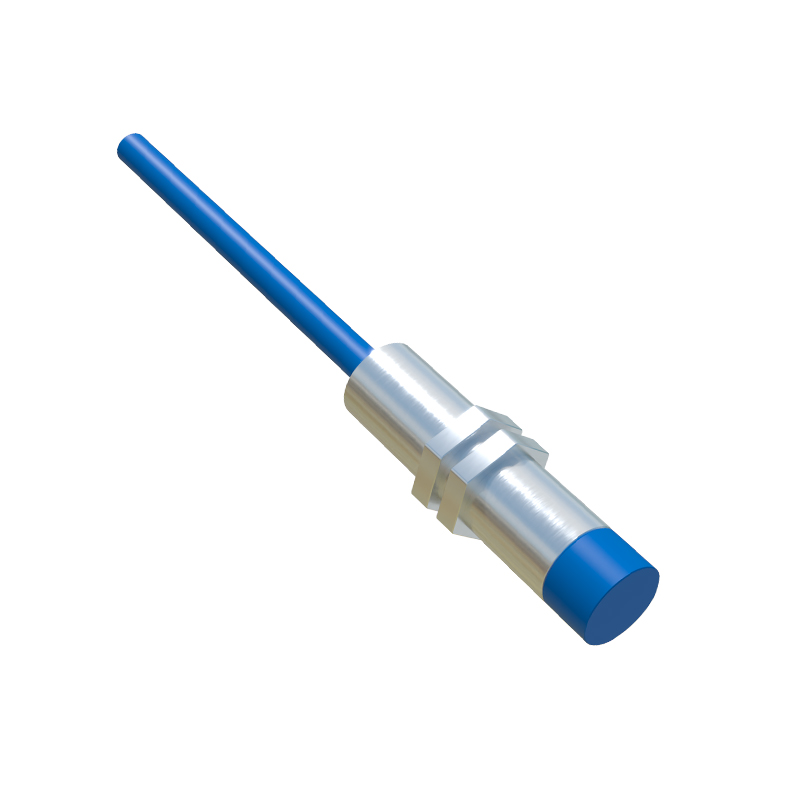
Designing proximity sensors with indicator lights for vehicles requires adherence to stringent automotive standards, including temperature resilience, vibration resistance, and IP ratings for environmental protection. The sensing range varies from a few millimeters to several meters, depending on the application—short-range for internal mechanisms and longer-range for external object detection. The indicator light is engineered for high visibility under diverse lighting conditions, often with multi-color LEDs (e.g., green for normal operation, red for faults) to convey different statuses. Electrical interfaces typically include PNP/NPN outputs or IO-Link for digital communication, enabling integration with vehicle control units. Power consumption is minimized to align with vehicle energy management systems, while housing materials like stainless steel or engineered plastics ensure durability against automotive fluids and impacts.
Benefits for Safety and Maintenance
The inclusion of indicator lights significantly boosts safety by providing immediate visual cues. In safety-critical systems like collision avoidance, a lit sensor can confirm active monitoring, giving drivers confidence in ADAS functionalities. For maintenance, technicians benefit from rapid diagnostics; a non-illuminating indicator may point to power issues or sensor failure, reducing troubleshooting time compared to tools-based testing. This is especially valuable in fleet vehicles, where quick checks can prevent downtime. Moreover, the lights facilitate calibration processes during installation, ensuring proper alignment without additional equipment. Overall, this feature enhances operational transparency, contributing to higher vehicle reliability and reduced lifecycle costs through proactive maintenance.
Installation and Calibration Best Practices
Proper installation is crucial for optimal performance. Sensors must be mounted securely to avoid misalignment from vibrations, with careful attention to the sensing direction and clearance from metallic interference. The indicator light should be positioned for easy visibility, often facing accessible areas like service panels. During calibration, following manufacturer guidelines—such as setting detection thresholds and testing with target objects—ensures accuracy. For networked sensors, configuration via software may adjust light behaviors, like blinking patterns for specific alerts. Regular validation checks, using the indicator as a reference, help maintain long-term functionality. In retrofit scenarios, compatibility with existing vehicle wiring and control systems must be verified to avoid electrical conflicts.
Future Trends and Innovations
The future of proximity sensors with indicator lights in vehicles is driven by smart and connected technologies. Integration with IoT platforms will enable remote monitoring of sensor status via telematics, with lights serving as local indicators while data is transmitted to cloud systems for predictive analytics. Advances in miniaturization will allow embedding in tighter spaces without compromising range or visibility. Enhanced LED technologies, such as programmable RGB lights, could offer more detailed status codes through color sequences. Furthermore, developments in energy harvesting may power sensors independently, reducing wiring complexity. As autonomous vehicles evolve, these sensors will play a pivotal role in redundant sensing arrays, with indicator lights providing essential human-machine interface feedback in shared control scenarios.