Introduction to Proximity Sensor Technology
Proximity sensors are essential components in modern industrial automation, enabling non-contact detection of objects within a defined range. These devices operate by emitting an electromagnetic field or beam and detecting changes caused by the presence of a target object. The classification of proximity sensors based on the type of sensing object is crucial for selecting the right sensor for specific applications, ensuring optimal performance, reliability, and efficiency. This article explores the primary categories of proximity sensors according to the materials they are designed to detect, providing insights into their working principles, advantages, and typical use cases in various industries.
Inductive Proximity Sensors for Metallic Objects
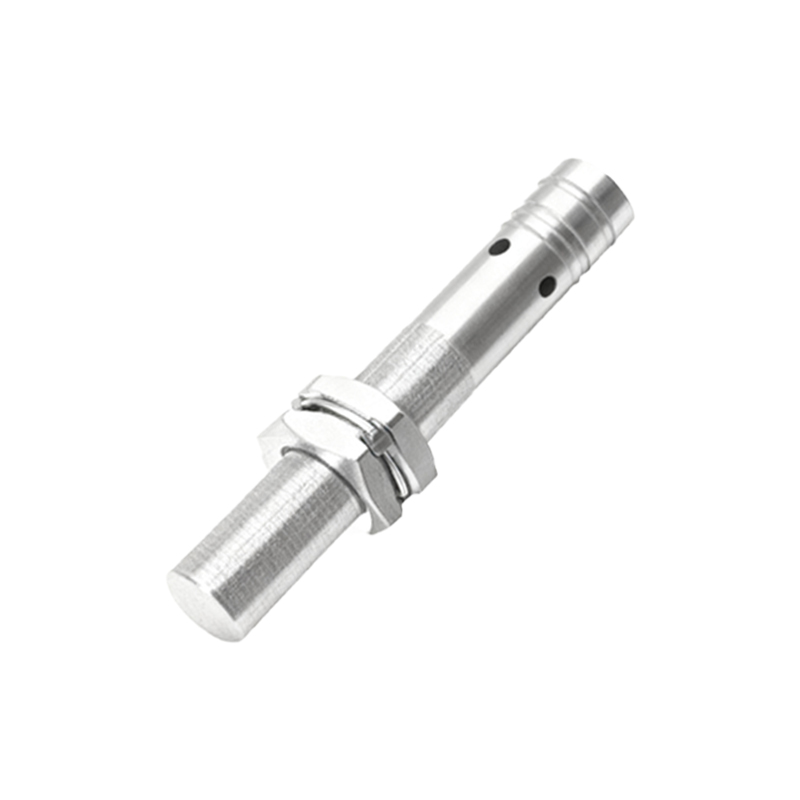
Inductive proximity sensors are specifically engineered to detect ferrous and non-ferrous metals without physical contact. They generate an oscillating electromagnetic field from a coil and oscillator circuit. When a metallic object enters this field, eddy currents are induced on the object's surface, causing a change in the oscillation amplitude. This change is detected by the sensor's circuitry, triggering an output signal. These sensors are highly reliable, resistant to environmental factors like dust and moisture, and offer fast response times. Common applications include position sensing in machinery, metal detection in conveyor systems, and part counting in manufacturing lines. Their detection range varies based on the metal type, with ferrous metals typically being detectable at greater distances.
Capacitive Proximity Sensors for Diverse Materials
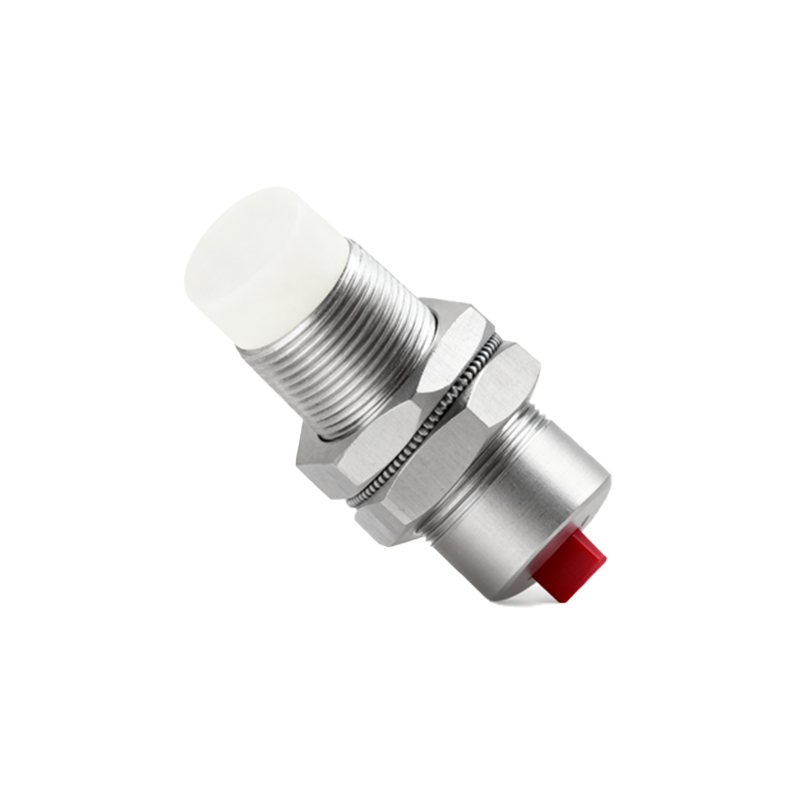
Capacitive proximity sensors can detect a wide range of objects, including metals, plastics, liquids, and granular materials. They operate by generating an electrostatic field between two electrodes. When an object enters this field, it alters the capacitance, which is measured by the sensor to determine presence. These sensors are versatile and can sense through non-metallic containers, making them ideal for level detection of liquids or powders. They are commonly used in packaging industries, food processing, and pharmaceutical applications where non-metal detection is required. However, they may be sensitive to environmental changes like humidity, requiring careful calibration for consistent performance.
Ultrasonic Proximity Sensors for Solid and Liquid Detection
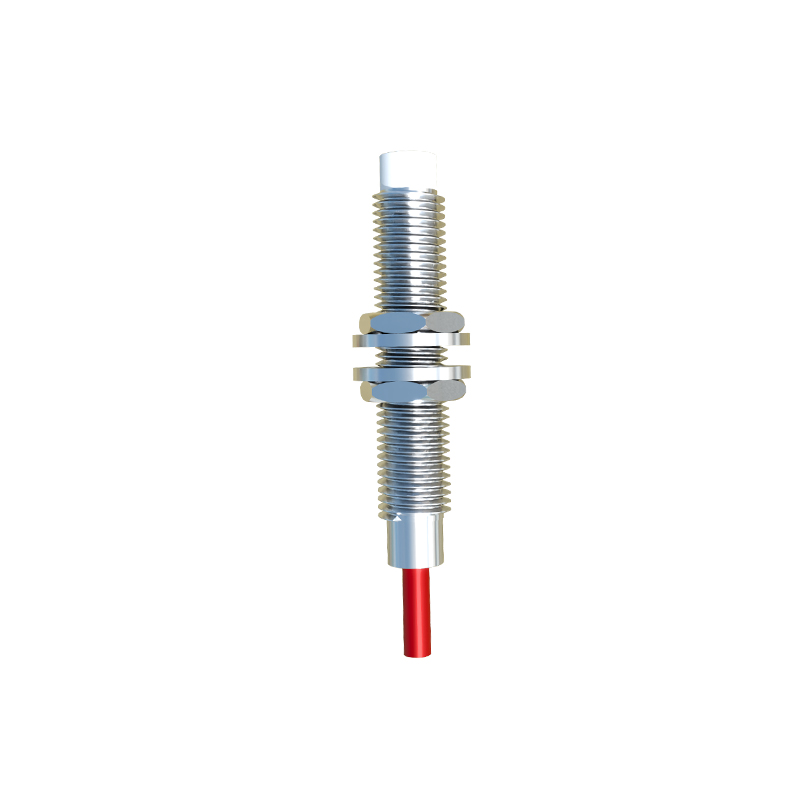
Ultrasonic proximity sensors use sound waves at frequencies above human hearing to detect objects, regardless of material composition. They emit ultrasonic pulses and measure the time taken for echoes to return after hitting a target. This time-of-flight principle allows them to sense solids, liquids, and even transparent materials with high accuracy. These sensors are effective in challenging environments with dust, smoke, or varying light conditions. Typical applications include distance measurement, liquid level control in tanks, and object detection in automotive assembly lines. Their main limitations include potential interference from soft materials that absorb sound or extreme temperature fluctuations affecting wave propagation.
Photoelectric Proximity Sensors for Light-Sensitive Applications
Photoelectric proximity sensors detect objects by using light beams, typically infrared, visible, or laser light. They consist of an emitter and receiver; when an object interrupts or reflects the light beam, the sensor triggers an output. These sensors are excellent for sensing non-metallic objects, such as plastics, glass, and wood, and can operate over longer distances compared to inductive or capacitive types. They are widely used in automation for presence detection, counting, and sorting tasks. Variants include through-beam, retro-reflective, and diffuse reflective models, each suited to different environmental and accuracy needs. However, they can be affected by ambient light or dirty lenses, necessitating regular maintenance.
Magnetic Proximity Sensors for Ferromagnetic Targets
Magnetic proximity sensors are designed to detect permanent magnets or ferromagnetic materials by responding to changes in magnetic fields. They often use reed switches or Hall effect sensors that activate when a magnetic field is present. These sensors are simple, cost-effective, and highly durable, with no moving parts, making them suitable for harsh conditions like high temperatures or vibrations. Common uses include position sensing in cylinders, door closure detection in security systems, and speed monitoring in automotive applications. Their detection is limited to magnetic objects, but they offer excellent reliability and long operational life in industrial settings.
Selection Criteria and Industry Applications
Choosing the right proximity sensor depends on factors such as the sensing object material, required detection range, environmental conditions, and response speed. Inductive sensors are preferred for metal detection in manufacturing, while capacitive sensors excel in handling diverse materials in food or chemical industries. Ultrasonic and photoelectric sensors offer flexibility for non-contact measurement in logistics and packaging. Magnetic sensors are ideal for rugged environments like mining or construction. Understanding these classifications helps engineers optimize automation systems, reduce downtime, and enhance safety. As technology advances, smart sensors with IoT integration are becoming prevalent, enabling predictive maintenance and real-time monitoring across global