Introduction to Photoelectric Sensing Principles
Photoelectric sensors operate by emitting a light beam—typically from an LED or laser diode—and detecting changes in the received light. The core principle involves the interaction between light and the target material. When the emitted light strikes an object, it may be reflected, absorbed, transmitted, or scattered. The sensor's receiver analyzes this response to determine the presence, absence, or specific characteristics of the material. Key factors influencing detection include the material's optical properties (such as reflectivity, transparency, and color), surface texture, and the light's wavelength. For instance, a retro-reflective sensor relies on a reflector to bounce light back, but if a material is highly transparent, the beam might pass through without sufficient reflection, causing detection failure. Conversely, materials with high reflectivity, like polished metal, can sometimes reflect too much light, leading to oversaturation of the receiver if not properly calibrated. Understanding these basics is essential for selecting the right sensor and configuring it effectively in industrial applications, from packaging lines to automated assembly systems.
Detection of Opaque and Solid Materials
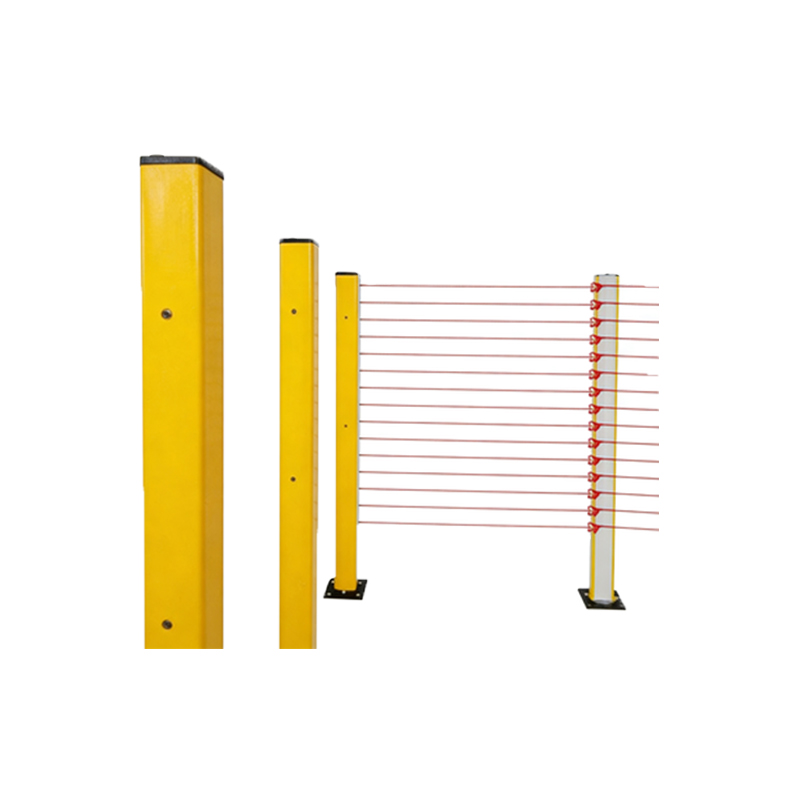
Opaque and solid materials are the most straightforward for photoelectric sensors to detect. These include metals (e.g., steel, aluminum, copper), plastics (e.g., ABS, polycarbonate), wood, ceramics, and composites. For such materials, through-beam (or opposed) sensors are often preferred due to their high reliability and long sensing ranges. In this setup, the emitter and receiver are separate units; detection occurs when the object interrupts the light beam. Diffuse reflective sensors, which have the emitter and receiver in one housing, are also commonly used for opaque targets. They rely on the material's reflectivity—darker or matte surfaces (like black rubber or rough-textured wood) absorb more light, reducing the sensing range, while lighter or glossy surfaces (such as white plastic or shiny metal) reflect better, enabling longer ranges. Engineers must consider surface characteristics: a smooth, painted metal part may reflect light specularly (like a mirror), potentially diverting the beam away from the receiver, whereas a textured surface scatters light more diffusely, improving detection consistency. In automotive manufacturing, for example, sensors reliably detect metal chassis components or plastic trim pieces, ensuring precise positioning and quality control.
Sensing Transparent and Translucent Materials
Transparent materials (e.g., glass, clear PET bottles, polycarbonate sheets) and translucent materials (e.g., frosted glass, milky plastics) pose unique challenges because they allow significant light transmission. Standard photoelectric sensors might fail as light passes through rather than reflecting back. To address this, specialized sensors with polarized light filters or background suppression technology are employed. Polarized filters help reject false reflections from glossy surfaces, while background suppression sensors use triangulation to measure the angle of reflected light, ignoring signals from distant backgrounds. This allows detection of clear glass bottles on a conveyor, for instance, by focusing on the minimal reflection from the glass surface. Another approach is using sensors with adjustable sensitivity or those operating in the infrared spectrum, as some transparent materials absorb specific wavelengths. In beverage bottling plants, sensors often utilize infrared light to detect transparent containers based on slight refractive changes at edges. Additionally, laser-based sensors offer precise spot sizes for detecting thin transparent films or labels, where even minor light deflection indicates presence. Proper alignment and testing are critical, as environmental factors like dust or ambient light can interfere with the weak signals from these materials.
Handling Reflective and Metallic Surfaces
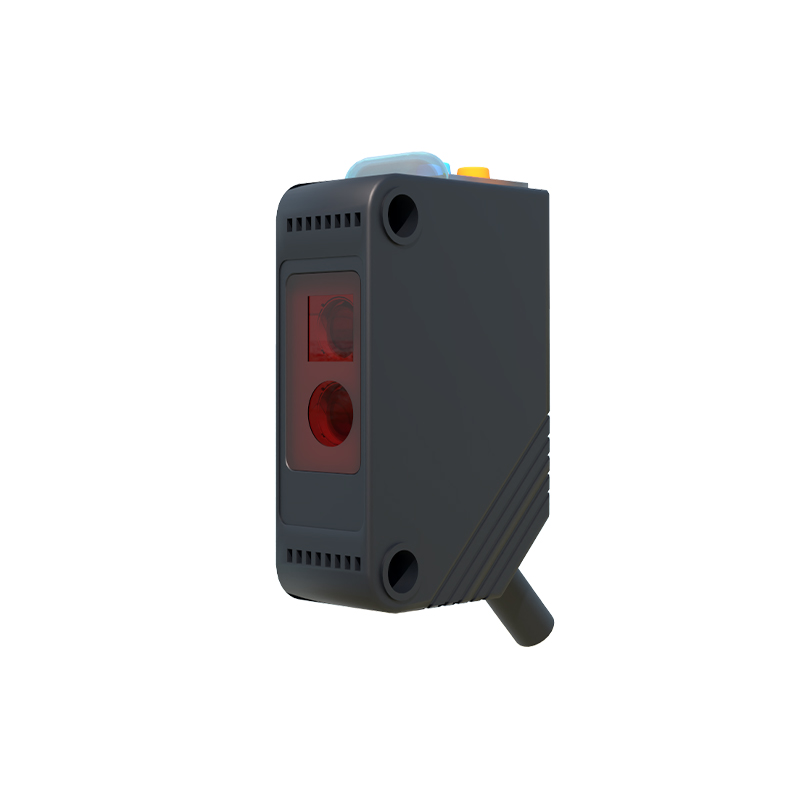
Highly reflective materials, including polished metals, mirrors, or foil packaging, can cause over-reflection or glare, leading to unreliable sensing. Retro-reflective sensors, which use a dedicated reflector, may misinterpret the material's own reflection as the reflector's signal, causing false triggers. To mitigate this, diffuse sensors with background suppression are recommended, as they measure distance rather than reflectivity intensity. Alternatively, sensors with coaxial optics (where emitter and receiver are aligned on the same axis) minimize specular reflection issues by ensuring only directly reflected light enters the receiver. For metallic surfaces in electronics assembly, such as detecting shiny circuit boards, sensors with red or laser light sources provide better focus and reduced dispersion. It's also common to adjust the sensor's mounting angle—tilting it slightly can avoid direct glare. In logistics, sensors detect reflective foil packages by using high-frequency modulation to distinguish the target from ambient light. Regular maintenance, like cleaning lenses to prevent smudges that exacerbate reflections, ensures consistent performance. Engineers should consult datasheets for material-specific reflectivity coefficients and conduct on-site trials to optimize settings.
Special Considerations for Unusual Materials
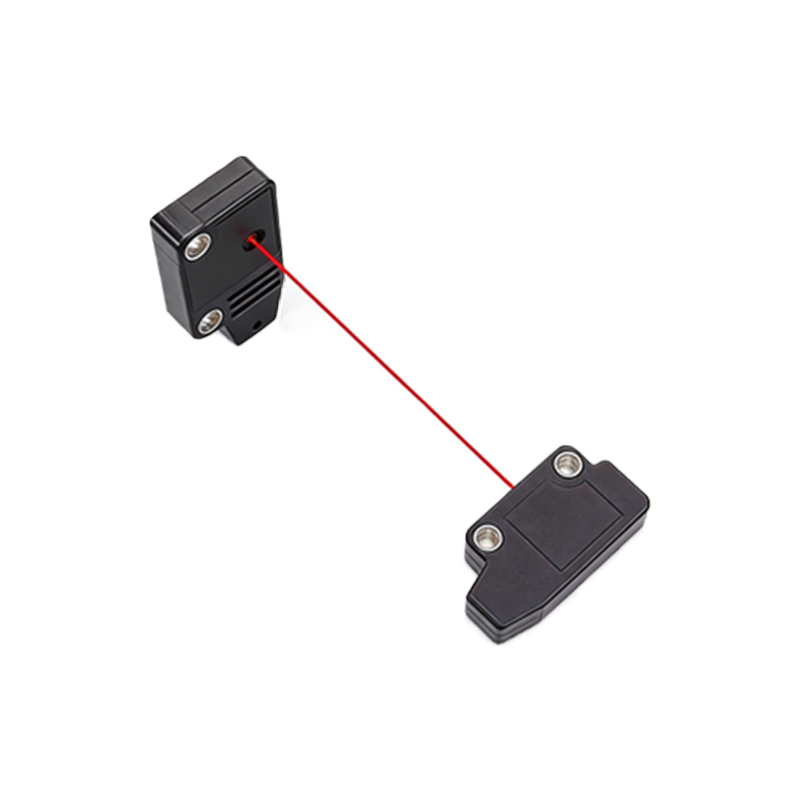
Some materials require tailored approaches due to unique properties. For example, dark or black materials (like carbon fiber or black rubber) absorb most visible light, reducing effective sensing ranges. In such cases, sensors with high-intensity infrared emitters or laser sources penetrate better, enhancing detection. Similarly, liquid levels in transparent tubes can be sensed using through-beam sensors that detect the light refraction difference between liquid and air. For porous materials (e.g., fabrics or foam), diffuse sensors might struggle due to light scattering; through-beam setups offer more reliability by measuring beam blockage. In food processing, sensors detect materials like flour or sugar—powdery substances that can create dust interference. Here, sensors with robust housings (IP67-rated) and air purge options prevent contamination. Additionally, temperature-resistant sensors are used for hot materials like molten plastics or metals, where thermal radiation could affect light emission. Emerging applications include detecting biodegradable plastics or composite materials in recycling facilities, where multi-spectral sensors analyze reflectivity across wavelengths to identify material types. Always verify sensor compatibility with industry standards (e.g., IEC 60947-5-2) and consider environmental factors like humidity or vibration that may impact material interactions.
Best Practices for Material-Specific Sensor Selection
Selecting the right photoelectric sensor involves a systematic approach. First, identify the material's optical properties: use a reflectivity chart or sensor manufacturer's guidelines to estimate performance. For mixed materials on a line, such as detecting both metal and plastic parts, choose a sensor with wide sensitivity adjustment or teach-in functionality to learn different targets. Second, consider the sensing mode: through-beam for maximum reliability with opaque materials, diffuse for reflective surfaces, and retro-reflective for long-range applications with non-shiny objects. Third, factor in the light source: red light for general-purpose use, infrared for transparent or dark materials, and laser for high-precision tasks. Fourth, account for environmental conditions—install protective housings or filters if dust, moisture, or ambient light is present. Finally, test the sensor in situ before full deployment, using sample materials to fine-tune sensitivity and alignment. Document settings for repeatability, and schedule regular calibration checks. By following these practices, engineers can ensure robust detection across diverse materials, minimizing downtime and enhancing automation efficiency in industries from pharmaceuticals to heavy machinery.