Introduction to Photoelectric Sensor Faults
Photoelectric sensors are critical components in modern industrial automation, providing reliable object detection for countless applications. However, like any electronic device, they are susceptible to various faults that can disrupt entire production lines. A well-structured photoelectric sensor fault checklist image serves as an invaluable diagnostic tool for maintenance engineers and technicians. This visual guide consolidates common failure modes, symptoms, and preliminary corrective actions into an easily referenced format. By having such a checklist readily available, teams can significantly reduce machine downtime, enabling faster troubleshooting and more efficient system recovery. The utility of this checklist extends beyond immediate repair, contributing to proactive maintenance strategies and overall operational knowledge.
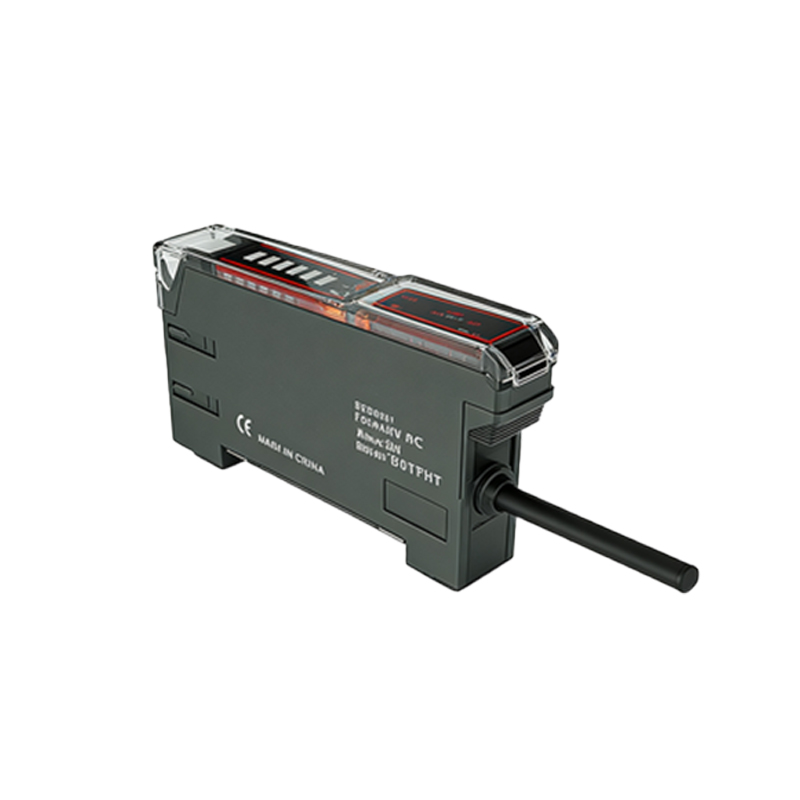
Key Components of an Effective Fault Checklist Image
An effective photoelectric sensor fault checklist image must be logically organized and visually clear. It typically categorizes faults based on observable symptoms. A primary section often addresses "No Output" or "Intermittent Output" issues. This section would list checks for power supply integrity, verifying voltage levels and connection stability. Another crucial category is "False Triggering" or "Unstable Detection," which directs the user to inspect for environmental interferences like ambient light, dust accumulation on the lens, or vibrations affecting alignment. The checklist should also include a segment for "LED Indicator Status," interpreting different blinking patterns or colors that manufacturers use to signal specific error codes. Visual icons, flowcharts, and color-coding within the image enhance quick comprehension and cross-referencing.
Common Faults and Diagnostic Steps
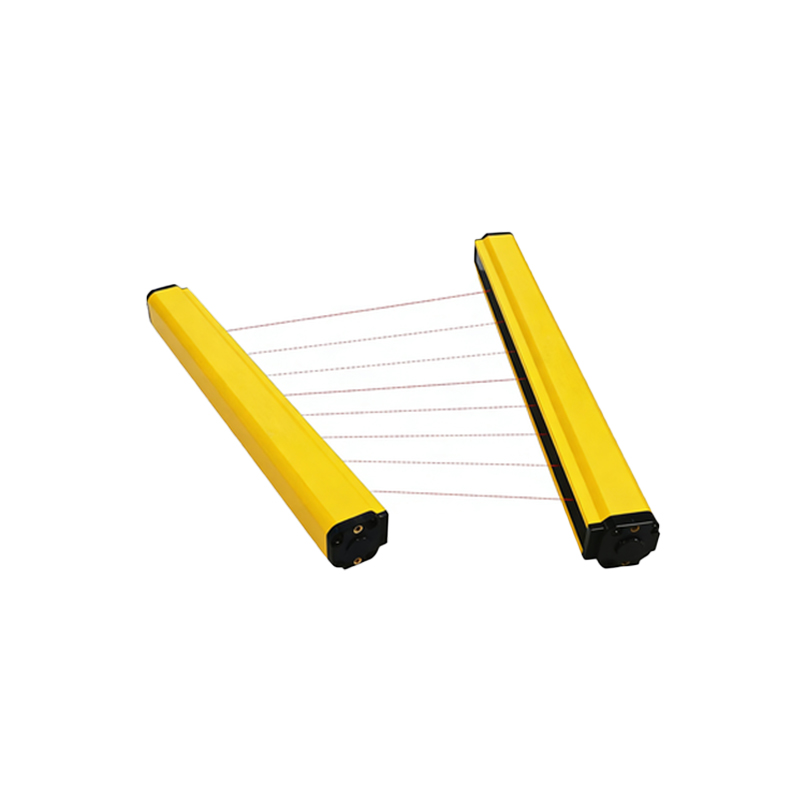
The core of the checklist details specific faults. For instance, a persistent "No Detection" fault prompts a sequence of checks: First, confirm the sensor is receiving power, indicated by its status LED. Next, verify the sensing mode (e.g., retro-reflective, through-beam, diffuse) is correctly configured for the application and target object. Then, inspect the optical path for obstructions, dirt, or misalignment. For through-beam sensors, this means checking both the emitter and receiver alignment. The checklist would also remind the technician to examine the sensing object itself—its color, material, size, and surface finish can dramatically affect reflectivity and detection capability. Finally, it guides testing with a known-good object to isolate the sensor from potential controller or wiring issues.
Environmental and Installation Factors
Many photoelectric sensor failures stem from environmental stressors, which a robust checklist must highlight. This includes contamination from oil, coolant, or dust coating the lens, drastically reducing optical performance. The image should recommend regular cleaning procedures with appropriate materials. Electrical noise from nearby motors, drives, or welding equipment can cause erratic behavior; the checklist should suggest verifying grounding, using shielded cables, and checking for proper separation from noise sources. Mechanical factors like sensor mounting stability, excessive shock or vibration, and temperature extremes beyond the sensor's specification are also critical points. A visual checklist often uses icons to represent these environmental hazards, making them instantly recognizable.

Utilizing the Checklist for Systematic Troubleshooting
The true power of a fault checklist image lies in its application to a systematic troubleshooting methodology. It should not be a random list but a guided procedure. A well-designed image often follows a logical flow: Start with the simplest and most common causes (e.g., "Is it powered on?") before progressing to more complex diagnostics. It encourages a divide-and-conquer approach, helping to isolate whether the problem lies with the sensor itself, its wiring, the power supply, the controller (PLC), or the mechanical setup. The checklist serves as a memory aid, ensuring no critical step is overlooked in the heat of a production stoppage. It standardizes the troubleshooting process across different personnel, ensuring consistency and efficiency.
Preventive Maintenance Insights from the Checklist
Beyond reactive repairs, a comprehensive fault checklist image provides a foundation for preventive maintenance schedules. By reviewing the common faults listed, maintenance planners can develop routine tasks. These may include periodic lens cleaning schedules, alignment verification checks, connector integrity inspections, and environmental condition monitoring. The checklist can be used to train new technicians on failure modes specific to the facility's applications. Furthermore, analyzing the frequency of specific checked items can reveal underlying process or design issues, such as a sensor type unsuitable for a particularly dirty environment, prompting an engineering change to a more robust model with, for example, a built-in air blast for lens cleaning.
Conclusion and Best Practices
In conclusion, a photoelectric sensor fault checklist image is more than just a troubleshooting aid; it is a knowledge management tool that encapsulates practical experience. To maximize its effectiveness, the checklist should be tailored to the specific sensor models and common applications within a given facility. It should be displayed prominently in maintenance areas and integrated into digital work order systems. Regularly updating the checklist based on new failure patterns encountered ensures its ongoing relevance. Ultimately, combining this visual guide with thorough training empowers engineering teams to maintain high system availability, ensuring that photoelectric sensors continue to perform as the reliable eyes of the automation system.