Introduction to Flat Proximity Sensors
Flat proximity sensors, characterized by their low-profile, compact design, represent a significant evolution in sensing technology. Unlike traditional cylindrical sensors, these devices are engineered to fit into tight spaces and applications where mounting depth is severely limited. Their "flat" or rectangular form factor allows for surface mounting or embedding into machinery with minimal protrusion. The core principle remains the detection of an object's presence, absence, or position without physical contact, utilizing technologies such as inductive, capacitive, or magnetic fields. The defining advantage is their ability to provide reliable sensing performance while conforming to the spatial constraints of modern, miniaturized automation systems and consumer electronics.
Primary Types of Flat Proximity Sensors
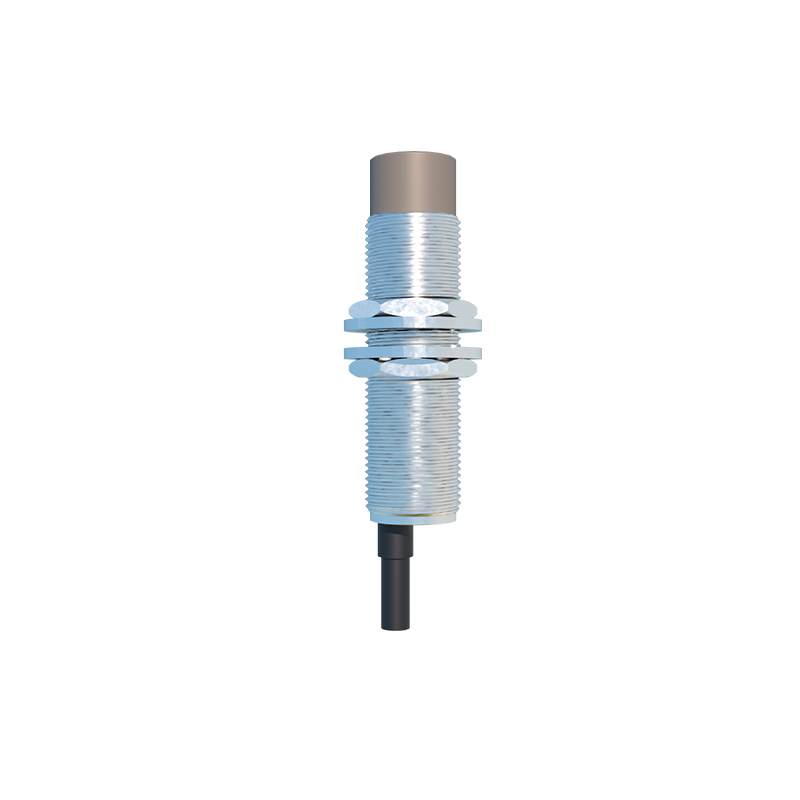
The functionality of a flat proximity sensor is determined by its underlying sensing technology. The main types include inductive, capacitive, and magnetic (reed or Hall effect) sensors. Inductive flat sensors are the most common in industrial settings. They generate an electromagnetic field and detect the eddy currents induced in metallic targets. Their flat housing often contains a planar coil, making them ideal for detecting ferrous and non-ferrous metals at short ranges. Capacitive flat sensors, on the other hand, can detect both metallic and non-metallic materials like plastics, liquids, or wood by sensing changes in capacitance. Their flat sensing face allows for consistent detection across a wider surface area. Magnetic flat sensors are designed to detect permanent magnets and are frequently used in conjunction with moving machine parts for position feedback.
Key Design and Performance Characteristics
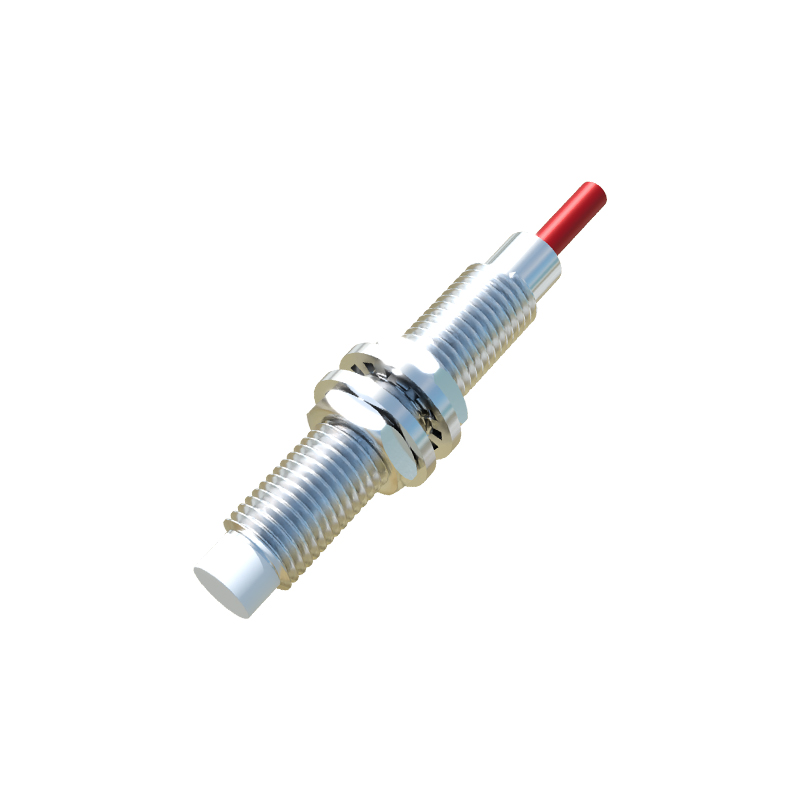
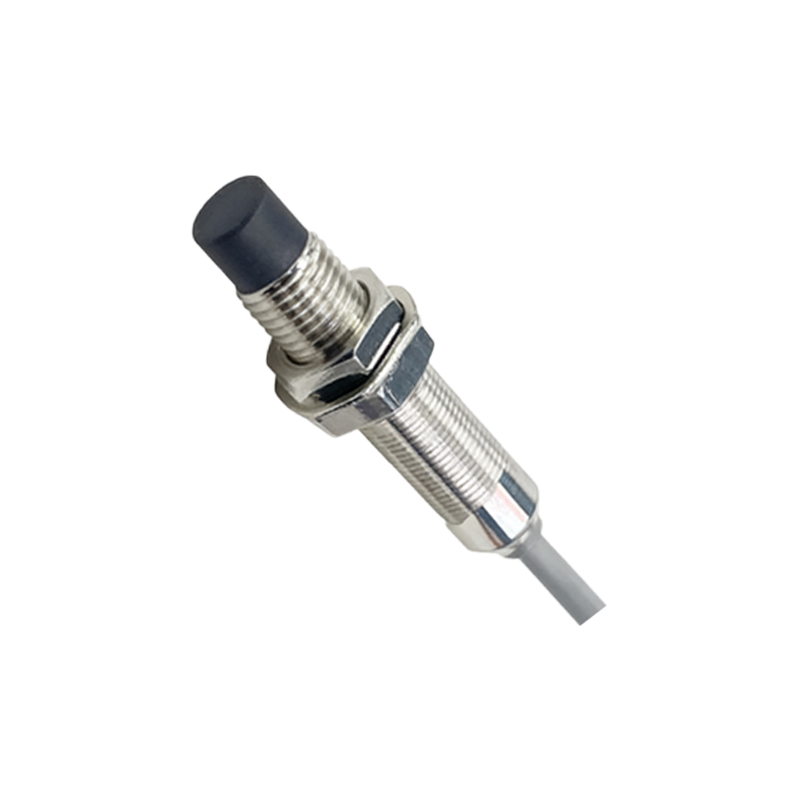
When selecting a flat proximity sensor, several critical specifications must be evaluated. The sensing distance, typically shorter than cylindrical counterparts due to the compact coil design, is a primary factor. The housing material, often made of rugged plastics like PBT or metals like stainless steel, determines environmental resilience against factors like coolant, chips, and physical impact. The electrical output type—whether NPN or PNP, normally open (NO) or normally closed (NC)—must be compatible with the control system (PLC). Additionally, many flat sensors feature built-in LED status indicators and short-circuit, overload, and reverse polarity protection. Their low-profile design often necessitates specific mounting considerations, such as flush or non-flush installation, which directly affects the effective sensing range.
Industrial and Commercial Applications
The application spectrum for flat proximity sensors is vast, driven by their space-saving design. In factory automation, they are indispensable for end-of-stroke detection on compact linear actuators, position verification in robotic grippers, and part presence checking on densely packed assembly lines. The semiconductor and electronics manufacturing industries rely on them for precise wafer handling and PCB positioning. Beyond heavy industry, these sensors are found in consumer devices—detecting the opening/closing of laptop lids or smartphone covers. They also play roles in automotive systems for seat belt detection, gear position sensing, and in medical equipment for door interlocking and component positioning where hygiene and compactness are paramount.
Advantages Over Traditional Cylindrical Sensors
The comparative benefits of flat proximity sensors are clear in constrained environments. Their minimal installation depth is the most significant advantage, enabling integration into thin panels, small machinery housings, and mobile equipment where space is at a premium. The flat sensing face can sometimes offer a wider detection area or more precise edge detection for specific target shapes. From a design perspective, they provide a sleeker, more integrated appearance. Mechanically, their shape can offer higher resistance to twisting forces when mounted. However, it is crucial to note that these advantages often come with a trade-off, such as a potentially shorter sensing range compared to a cylindrical sensor of equivalent technology and cost.
Installation and Mounting Considerations
Proper installation is vital for optimal performance. For inductive flat sensors, the mounting style—flush or non-flush—is critical. Flush-mounted sensors can be installed embedded in metal without a gap, but their sensing range is reduced. Non-flush mounting requires a clear area around the sensor but offers a longer range. Designers must ensure that no surrounding metal (the "mounting boss") interferes with the sensor's field. Adequate clearance between multiple sensors is necessary to prevent mutual interference. Electrical wiring should follow manufacturer guidelines, paying close attention to cable routing to avoid damage in high-flex applications. Environmental sealing ratings, such as IP67 or IP69K, should be selected based on exposure to dust, moisture, or washdown procedures.
Guidelines for Selection and Sourcing
Selecting the correct flat proximity sensor involves a systematic approach. First, define the target material (metal, plastic, liquid, magnet). Second, determine the required sensing distance under the planned mounting conditions. Third, assess the environmental conditions: