Understanding the Splash Challenge in Industrial Environments
In demanding industrial settings such as automotive manufacturing, food and beverage processing, and metalworking, photoelectric sensors face a constant barrage of contaminants. Among these, liquid splashes—comprising coolants, oils, cleaning agents, and water—pose a significant threat. These splashes can adhere to the sensor's lens or housing, creating a film that scatters or absorbs the emitted light beam. This interference leads to unreliable operation, including false triggers, missed detections, and ultimately, costly production downtime. The challenge is not merely the presence of liquid, but its persistence; a thin, often transparent film can degrade performance as severely as a complete coating of opaque mud. Therefore, the core requirement for sensors in such zones is not just ingress protection (IP rating), but specific design features that actively prevent liquid adhesion and ensure consistent optical clarity.
Core Design Principles for Anti-Splash Performance
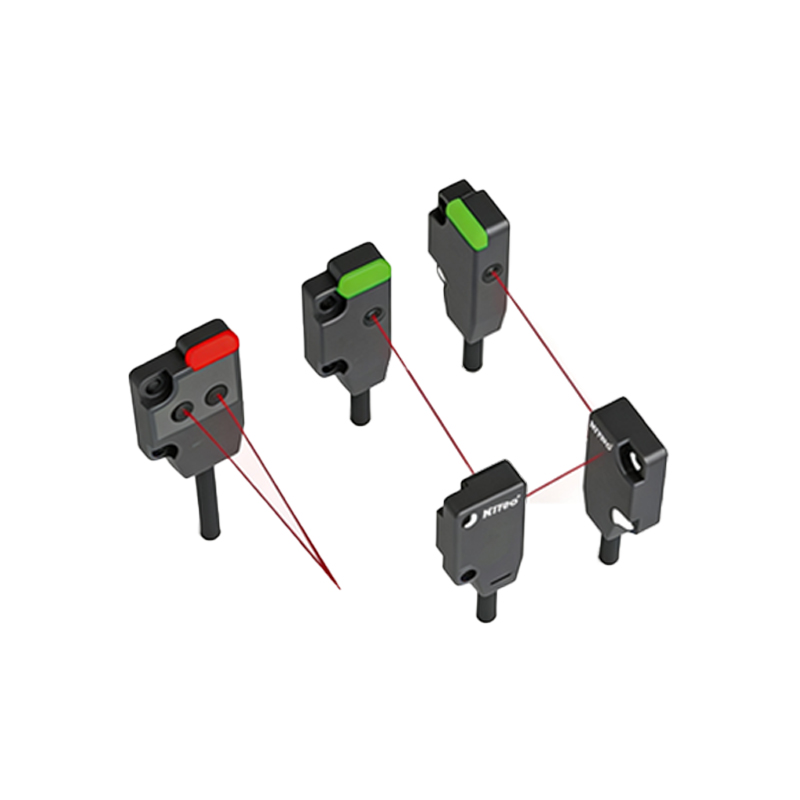
Effective anti-splash photoelectric sensors are engineered with several key principles in mind. The first line of defense is the physical design of the housing and lens. A steeply angled or recessed lens is crucial. This geometry encourages liquids to bead up and roll off due to gravity, rather than pooling on the critical optical surface. Complementing this is the use of hydrophobic or oleophobic lens coatings. These nano-scale treatments dramatically reduce the surface tension between the lens material (typically glass or specialized plastics) and the liquid contaminant. Water, oils, and other fluids form high-contact-angle droplets that minimize surface contact and are easily shed. Furthermore, the housing itself is designed with smooth, seamless surfaces and no ledges where contaminants can accumulate. The materials are often chemically resistant to prevent degradation from aggressive fluids, ensuring long-term integrity of the protective features.
Advanced Optical and Cleaning Technologies
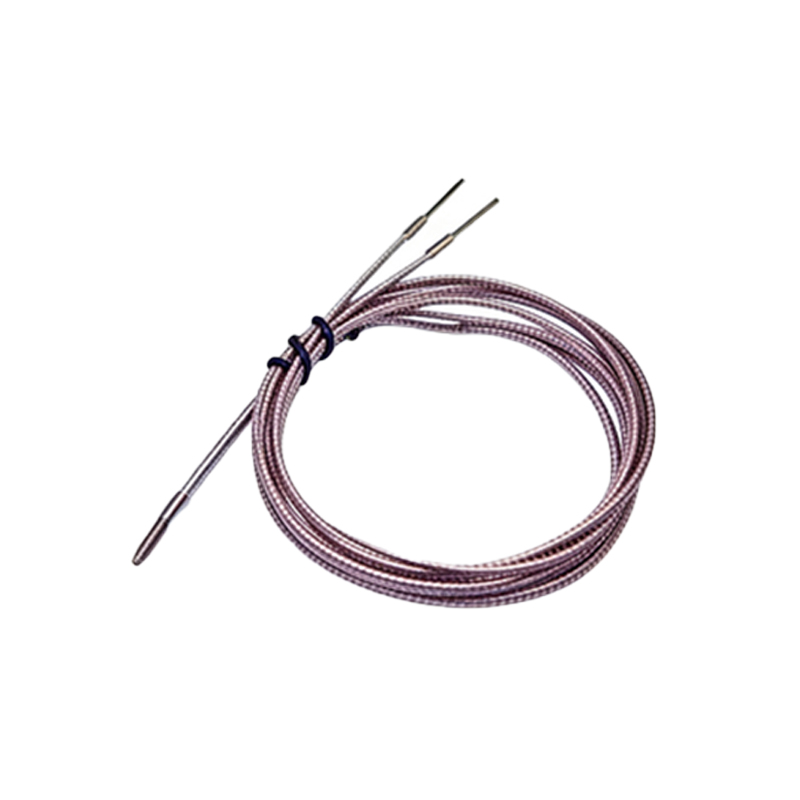
Beyond passive physical design, advanced sensors incorporate active and optical technologies to combat splash effects. Some models feature a "keep-clean" function, which involves a secondary, redundant light path or a monitoring system that detects lens contamination. When a predefined threshold of signal degradation is reached, the sensor can output a warning signal, prompting preventive maintenance before a failure occurs. Another innovative approach is the use of powerful, focused LED light sources with high excess gain. Excess gain refers to the reserve strength of the light beam beyond the minimum required for detection. A sensor with high excess gain can "see through" minor contamination or thin liquid films, maintaining reliable operation longer than a standard sensor. For extreme environments, sensors may be equipped with integrated air purge ports. A constant, low-pressure stream of clean, dry air is directed across the lens, creating a positive pressure barrier that physically prevents liquids and particulates from reaching the optical surface.
Selection Criteria and Installation Best Practices
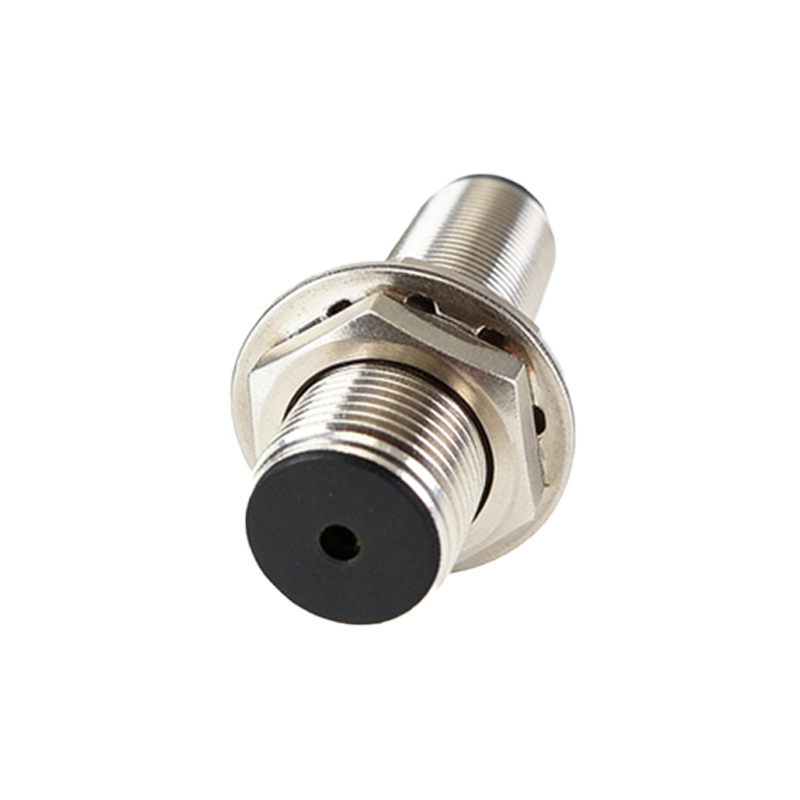
Selecting the right anti-splash sensor requires careful analysis of the application. The IP rating is a starting point; IP67 guarantees protection against temporary immersion, while IP69K certifies resistance to high-pressure, high-temperature washdowns—common in food processing. However, the IP rating alone does not define anti-splash performance. Engineers must examine the sensor's lens design, the presence of hydrophobic coatings, and its stated performance in the presence of specific contaminants like cutting oil or syrup. Installation is equally critical. Even the best sensor can fail if installed incorrectly. The sensor should be mounted in an orientation that leverages gravity for drainage, with the lens facing downward at an angle where possible. It should be positioned away from direct lines of splash or spray. Utilizing protective accessories like mounting brackets that act as splash guards or installing the sensor in a sheltered location can dramatically extend its service life and reliability.
Application-Specific Solutions and Future Trends
Different industries present unique splash challenges, driving specialized sensor solutions. In welding cells, sensors require not only splash resistance against molten spatter but also immunity to electromagnetic interference. Sensors with special dark-red or infrared light and protective metal sleeves are common. In bottling and filling lines, sensors must handle sticky syrups, beers, or dairy products. Here, sensors with smooth, crevice-free housings and aggressive hydrophobic coatings are essential to prevent sugar or protein buildup. The future of anti-splash technology lies in smarter, more integrated systems. We are seeing the emergence of sensors with self-diagnostic capabilities that quantify lens cleanliness and predict required maintenance intervals. Furthermore, new material sciences are yielding super-hydrophobic coatings with even greater durability and chemical resistance, promising a new generation of photoelectric sensors that are virtually maintenance-free in the face of relentless industrial splashes.