Introduction to Photoelectric Proximity Sensors
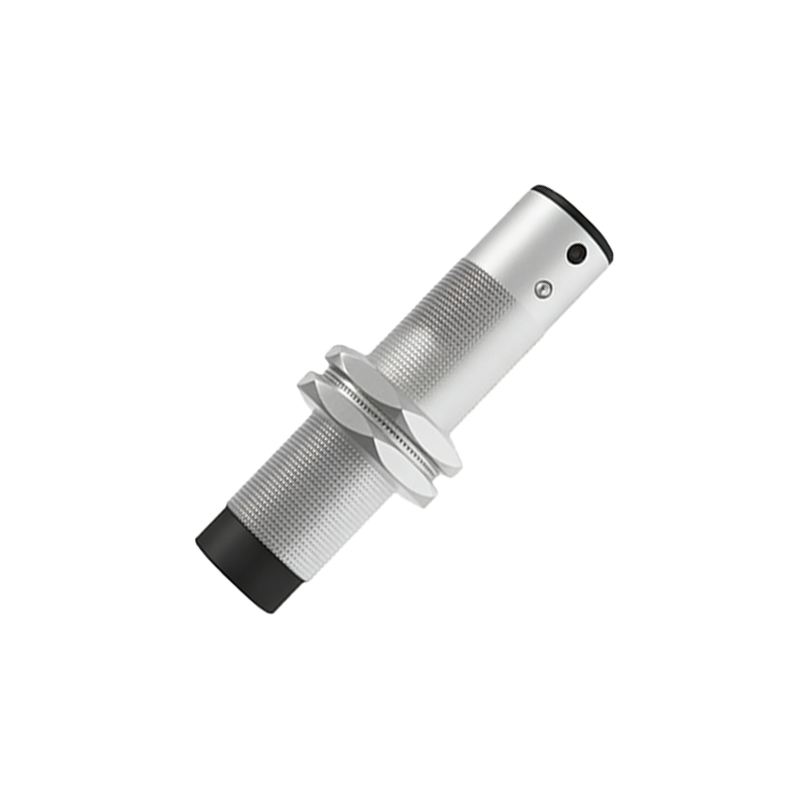
Photoelectric proximity sensors, often referred to as light curtains or safety light barriers, are indispensable components in modern industrial automation. These devices operate by projecting an array of synchronized infrared light beams between a transmitter and a receiver unit. When an object interrupts one or more beams, the sensor sends a signal to halt or alter the operation of machinery, thereby ensuring personnel safety and preventing equipment damage. Their applications span across diverse sectors including automotive manufacturing, packaging, material handling, and robotic work cells. The core technology has evolved from basic through-beam models to more sophisticated types like retro-reflective and diffuse reflective sensors, each offering distinct advantages in range, precision, and environmental resilience. Understanding their functionality is crucial for analyzing the factors that influence their market pricing.
Key Factors Influencing Sensor Pricing
The cost of a photoelectric proximity sensor is not a fixed value but a variable influenced by a complex matrix of technical and market factors. Firstly, the sensing range and resolution are primary cost drivers. A long-range, high-resolution safety light curtain designed for a large press brake will command a significantly higher price than a short-range sensor for a small conveyor. Secondly, the safety integrity level (SIL or PL rating) is critical. Sensors certified for higher safety levels (e.g., SIL 3, PLe) undergo rigorous testing and design processes, increasing manufacturing costs. Thirdly, environmental protection ratings such as IP67 and IP69K for dust and water resistance add to the cost. Additional features like muting, blanking, advanced diagnostics via IO-Link, and ruggedized housings for harsh environments further elevate the price. Finally, the brand reputation and the extent of global service and support networks play a substantial role in pricing strategies.
Current Market Price Range Analysis
As of 2024, the global market for photoelectric safety sensors presents a wide spectrum of prices, reflecting the diversity in product specifications. Entry-level, basic-function light curtains for simple applications can start from approximately $200 to $500 per unit. Mid-range models, which offer standard safety ratings (PLd, SIL 2), moderate resolution, and common environmental protections, typically range from $800 to $2,500. High-end systems, featuring extended ranges, ultra-fine resolution for finger detection, highest safety certifications (PLe, SIL 3), robust communication capabilities, and specialized housings, can range from $3,000 to $10,000 or more per set. It is important to note that these are list price estimates; actual procurement costs are heavily influenced by order volume, contractual agreements with OEMs, and regional distribution channels.
Impact of Supply Chain and Raw Materials
The photoelectric sensor industry, like many electronics manufacturing sectors, remains sensitive to global supply chain dynamics. The prices of key raw materials, such as semiconductors for emitters and receivers, optical-grade lenses, and specialized plastics or metals for housings, directly impact production costs. Geopolitical tensions, trade policies, and logistical bottlenecks can disrupt the availability of these components, leading to price volatility and extended lead times. Furthermore, the increasing demand for miniaturization and higher performance pushes the use of more advanced, and often more expensive, electronic components. Manufacturers are continuously balancing cost-efficiency with supply chain resilience, which in turn affects the final market price presented to end-users.
Regional Market Variations
Significant price disparities exist across different geographical markets. In North America and Western Europe, prices tend to be higher due to stringent regulatory compliance costs (e.g., OSHA, EU Machinery Directive), higher labor costs in sales and technical support, and the strong presence of premium-brand manufacturers. The Asia-Pacific region, particularly China, offers a highly competitive landscape with numerous local manufacturers producing cost-effective alternatives. While prices here can be 20% to 40% lower for comparable specifications, buyers must diligently assess quality, certification authenticity, and after-sales service. Emerging industrial economies in Latin America and Eastern Europe often experience prices influenced by import duties, local distribution markups, and currency exchange rate fluctuations.
Future Price Trend Projections
Analysts project a nuanced trajectory for photoelectric sensor pricing in the coming years. In the short term (1-2 years), prices are expected to stabilize or see moderate single-digit percentage increases as supply chains normalize and raw material costs plateau. The driving force for price increases will be technological advancement rather than pure inflation. In the medium to long term (3-5 years), the integration of Industrial Internet of Things (IIoT) capabilities, artificial intelligence for predictive maintenance, and enhanced cybersecurity features will become standard. This added value may maintain or even increase average selling prices for advanced models. However, economies of scale in