Introduction to U-Shaped Photoelectric Sensors
U-shaped photoelectric sensors, also known as through-beam sensors, are fundamental components in industrial automation. Their distinct design features an integrated emitter and receiver facing each other across a defined air gap, forming a "U" shape. This configuration allows for the detection of objects that pass through this gap, interrupting the light beam. The 25mm slot width specification is a common and versatile size, offering an optimal balance between detection capability, physical robustness, and application flexibility. This sensor type is renowned for its high reliability, long sensing distance within its physical constraints, and immunity to the color or surface finish of the target object, making it a preferred choice for precise object detection, counting, and positioning tasks.
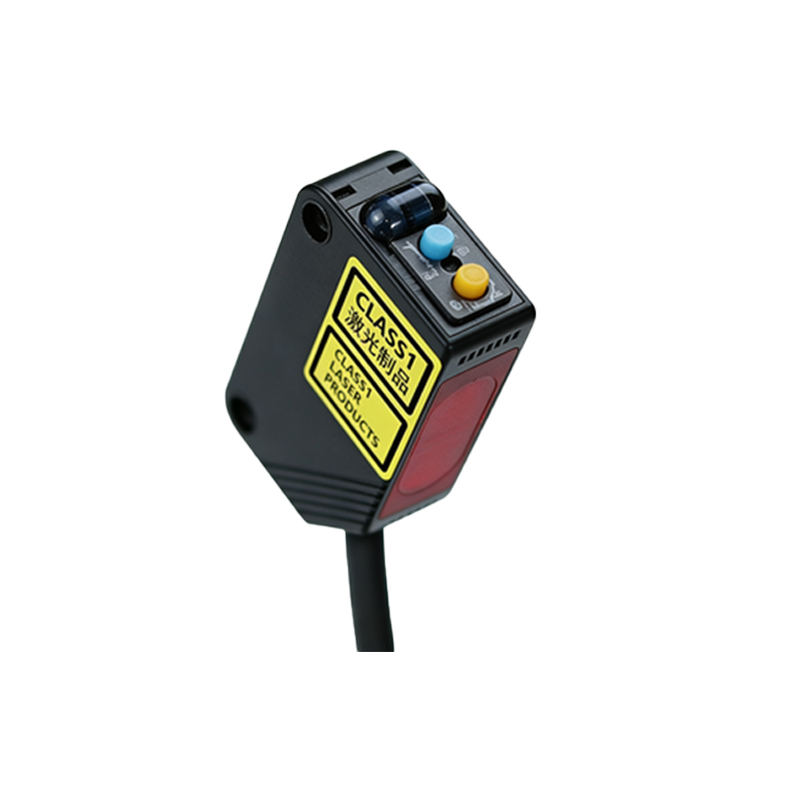
Technical Specifications of 25mm Slot Width Models
Sensors with a 25mm slot width typically support a variety of light sources, including visible red, infrared, and laser. The key specifications center around this physical dimension. The slot depth—the distance from the sensor's front to the back of the gap—is a critical factor determining the maximum size of object that can be detected. The beam width at the slot is usually narrow, ensuring high precision. Standard output configurations include NPN/PNP transistor outputs (sinking or sourcing) and relay contacts, with options for normally open (NO) or normally closed (NC) operation. Supply voltages commonly range from 10-30V DC or 90-250V AC. Response time is exceptionally fast, often in the microsecond range, suitable for high-speed applications. Many models feature built-in indicators for power and output status, and some offer sensitivity adjustment or synchronization capabilities to prevent mutual interference in dense installations.
Key Advantages and Operational Principles
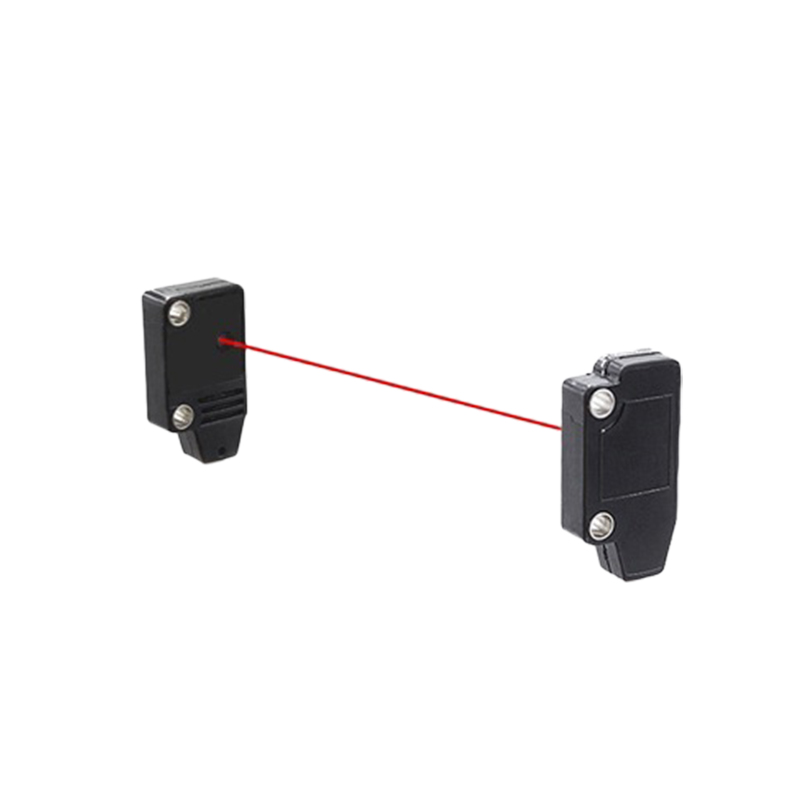
The primary advantage of the U-shaped design is its consistent and stable operation. Because the emitter and receiver are perfectly aligned in a fixed housing, issues like optical axis misalignment are eliminated. The detection principle is straightforward: an object passing through the 25mm gap interrupts the light beam, causing the receiver to switch its output state. This method provides a very high signal-to-noise ratio, resulting in stable detection even in environments with ambient light, provided appropriate optical filters are used. It is highly effective for detecting small, fast-moving, or transparent objects like glass vials or thin wires, which might challenge diffuse-reflective sensors. The physical separation also allows for a longer operational life as there is no risk of lens contamination from the target object.
Primary Industrial Applications

The 25mm slot width is exceptionally versatile. In packaging machinery, these sensors are used for detecting the presence of products on conveyor belts, verifying case erection, or counting items. In assembly automation, they monitor the passage of components, check for correct part insertion, or act as safety interlocks to ensure a machine part is in the correct position before a cycle starts. They are integral to printing and paper processing equipment for detecting paper jams, sheet counting, or edge detection. Furthermore, in textile and wire production, they are ideal for detecting breaks in thin filaments or threads. Their robust construction often includes an IP67 rating, making them resistant to dust and water jets, suitable for harsh industrial environments.
Installation and Alignment Considerations
While alignment is fixed by design, proper installation remains crucial. The sensor must be mounted securely to prevent vibration from causing physical damage or false triggers. The mounting brackets should ensure that the target object's path consistently passes through the center of the 25mm gap. Care must be taken to avoid accumulation of debris, dust, or moisture inside the slot, as this can attenuate the light beam. For detecting very small objects, ensuring the object fully interrupts the beam is necessary. In applications with heavy particulate matter, periodic cleaning of the emitter and receiver lenses is recommended to maintain optimal performance. The wiring should follow standard practices, with attention to correct polarity, load compatibility, and the use of surge suppression for inductive loads.
Comparison with Other Sensor Types
Compared to diffuse-reflective sensors, the U-shaped sensor offers superior reliability and is unaffected by the color or reflectivity of the target. Its sensing "distance" is precisely defined by the slot width, unlike the variable range of a diffuse sensor. Compared to separate emitter-receiver (through-beam) systems, the U-shaped version is more compact, easier to install since it requires only one wiring point and no separate alignment, but it is limited by its fixed gap. The 25mm width is often compared to narrower (e.g., 10mm) or wider (e.g., 40mm) slots. A 25mm slot provides a good compromise: it is wide enough to accommodate many common objects and tools, yet narrow enough to maintain precision and mechanical strength, avoiding the fragility that can come with very wide slots.
Selection and Maintenance Guidelines
When selecting a 25mm U-shaped photoelectric sensor, define the application requirements: object size, speed, required output type, and environmental conditions (temperature, contaminants). Choose the appropriate light source; infrared for discreet operation or visible red for easier alignment verification. Consider models with protective housings (e.g., metal) for high-impact areas. For maintenance, implement a routine check of the sensor's physical condition and cleaning of the optical surfaces. Test the switching function periodically. Most failures are due to physical damage, severe contamination, or electrical overload rather than internal component failure, highlighting the importance of correct installation and environmental protection.