Introduction to Proximity Sensor GXF8AH
The GXF8AH represents a significant advancement in inductive proximity sensing technology, designed for robust industrial automation environments. This sensor operates on the principle of electromagnetic induction, generating an oscillating electromagnetic field from its active face. When a metallic target enters this detection field, it causes eddy currents to form on the target's surface. These currents absorb energy from the oscillator, leading to a measurable amplitude reduction. The sensor's internal circuitry detects this change and triggers a solid-state switching output. The GXF8AH is particularly noted for its compact cylindrical M8 housing, which allows for easy installation in space-constrained applications. Its construction typically involves a nickel-plated brass or stainless-steel barrel, providing excellent resistance to mechanical impacts, cutting fluids, and coolants commonly found in machining and assembly lines.
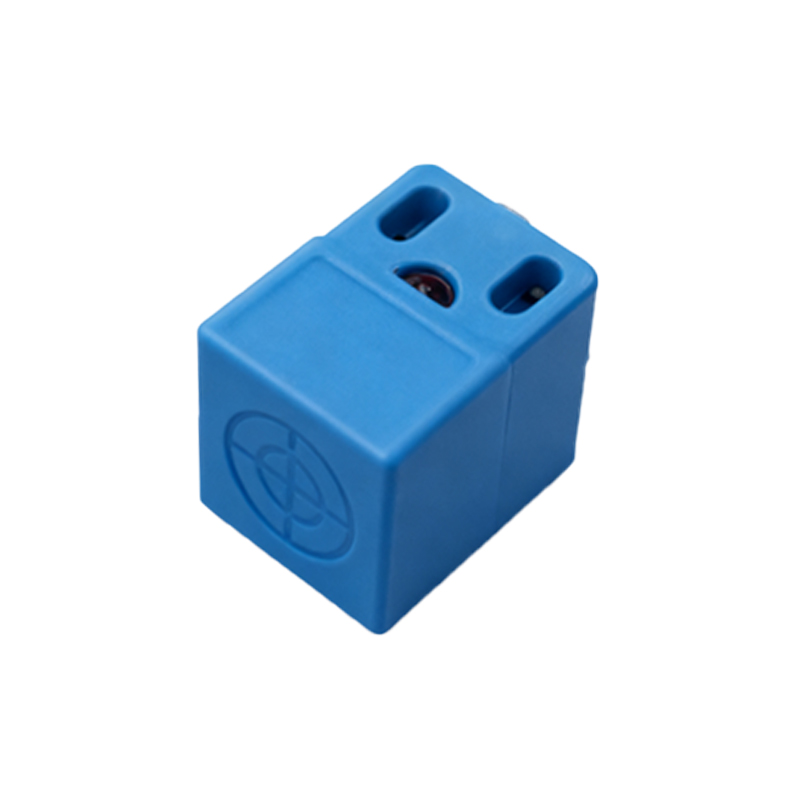
Key Technical Specifications and Performance Data
A detailed examination of the GXF8AH's datasheet reveals its core operational parameters. It is commonly available in both DC (10-30V DC) and AC variants, with the DC model being predominant for its compatibility with programmable logic controllers (PLCs). The standard sensing distance (Sn) is 2mm, calibrated for a mild steel target of a specified size. It features a normally open (NO) or normally closed (NC) PNP output configuration, sourcing current to the load, which is a standard in modern control systems. Key performance metrics include a high switching frequency, often up to 1kHz, enabling the detection of rapidly moving parts on high-speed conveyors. Its response time is in the microsecond range, ensuring minimal signal delay. The housing protection rating is typically IP67, guaranteeing reliable operation despite dust exposure and temporary immersion in water, making it suitable for washdown areas in food processing or pharmaceutical industries.
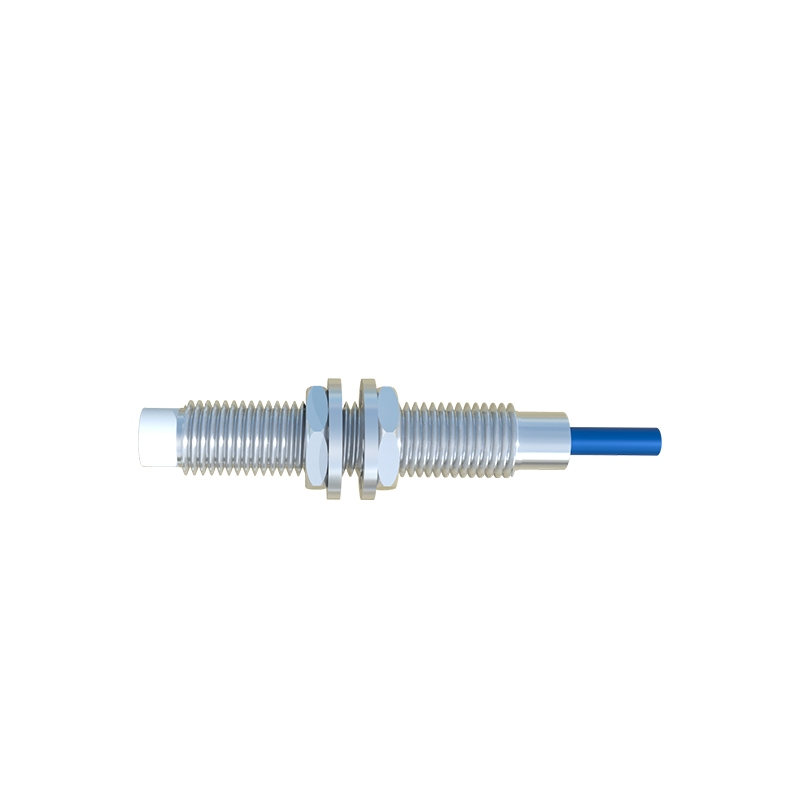
Wiring and Installation Best Practices
Correct installation is paramount for optimal performance and longevity. The GXF8AH is a 3-wire device: brown wire for positive supply (V+), blue wire for common negative (0V), and black wire for the switched output signal. Shielding or grounding the cable is recommended in electrically noisy environments to prevent false triggering. During mounting, it is crucial to maintain the specified non-metallic flush-mounting zone around the sensor's sensing face. Installing the sensor too close to a metal bracket or machine frame can reduce its effective sensing range or cause permanent activation. For side-by-side installations, maintaining a minimum distance between multiple sensors prevents mutual interference. Utilizing appropriate mounting hardware, such as locknuts, ensures the sensor remains securely positioned and properly aligned with the target path, even under significant vibration.
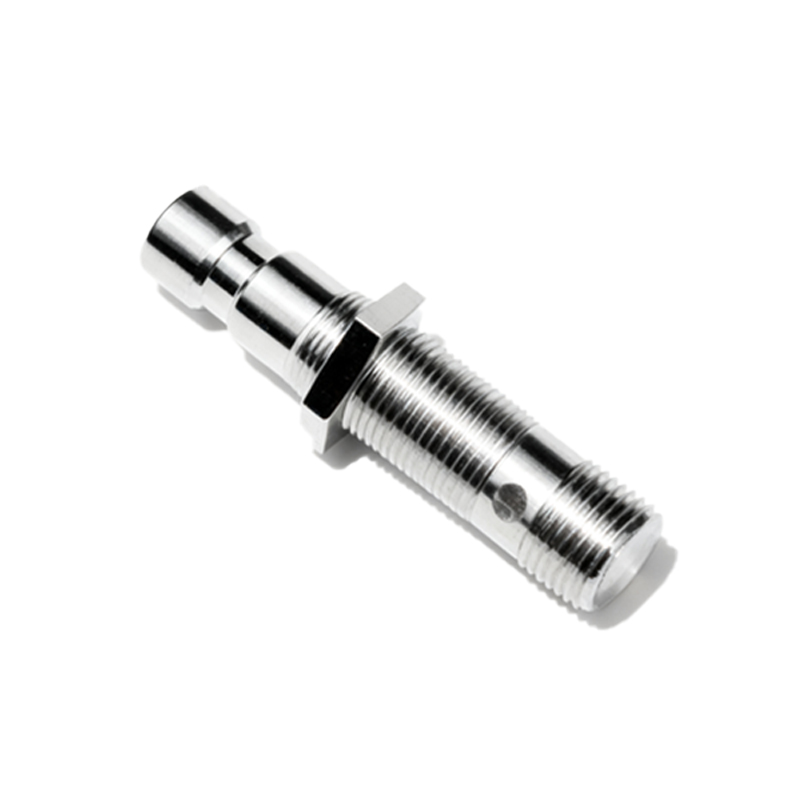
Target Material and Temperature Considerations
While inductive sensors like the GXF8AH primarily detect metals, their sensitivity varies with the target material's properties. The standard sensing distance is defined for mild steel (Fe360). For other metals, a correction factor must be applied. For instance, stainless steel may reduce the effective range to approximately 70-80% of Sn, while brass and aluminum can reduce it to 30-50% and 40-60%, respectively. Copper presents an even greater reduction. Ambient temperature is another critical factor. The GXF8AH is engineered for a wide operating temperature range, commonly from -25°C to +70°C. Prolonged operation at temperature extremes can affect the oscillator's stability and the longevity of electronic components. In high-temperature applications near ovens or welding stations, selecting a model with an extended temperature rating or using a thermal barrier may be necessary.
Common Industrial Applications and Use Cases
The versatility of the GXF8AH makes it a workhorse across numerous sectors. In automotive manufacturing, it is used for part presence verification on pallets, end-of-stroke detection on cylinders, and counting gear teeth on rotating shafts. Within packaging machinery, it detects the presence of metallic foil lids, monitors fill levels by sensing a metal float, and ensures correct carton positioning before sealing. On CNC machine tools, these sensors provide precise tool breakage detection, monitor turret index positions, and confirm the open/closed status of chuck jaws. In material handling, they are deployed for small parts detection on vibratory feeders, pallet positioning, and as safety interlock sensors on guard doors. Their reliability in dirty environments also makes them ideal for monitoring metal scrap in recycling systems.
Troubleshooting and Maintenance Guidelines
Despite their durability, proximity sensors can encounter issues. Common problems include failure to detect a target, constant activation, or intermittent operation. A systematic approach to troubleshooting begins with verifying the power supply voltage at the sensor's terminals using a multimeter. Next, check the output state with the