Introduction to Proximity Sensors in Modern Industry
Proximity sensors are indispensable components in today's automated industrial landscape, particularly in manufacturing hubs like Putuo District. These non-contact detection devices are engineered to identify the presence or absence of objects within their sensing range without any physical contact. This fundamental capability makes them crucial for applications demanding high reliability, speed, and durability. In Putuo District, a key industrial and commercial area, the deployment of advanced proximity sensors is driving efficiency and precision across various sectors, from automotive assembly lines to sophisticated packaging machinery. Their ability to function in harsh environments—resistant to dust, oil, and vibration—makes them the preferred choice for engineers seeking robust automation solutions.
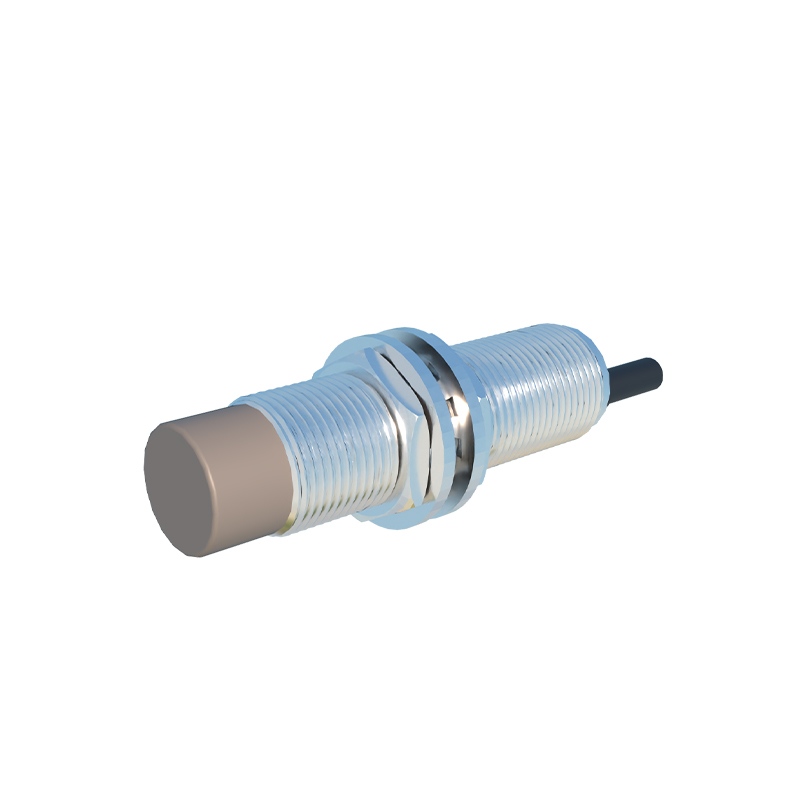
Key Technologies and Operating Principles
The effectiveness of proximity sensors hinges on several core technologies. Inductive sensors are predominantly used for detecting metallic objects, generating an electromagnetic field to sense ferrous and non-ferrous metals. Capacitive sensors, on the other hand, can detect a wider range of materials, including liquids, powders, and plastics, by measuring changes in capacitance. Furthermore, ultrasonic and photoelectric sensors offer solutions for longer-range detection and specific material properties. In Putuo District's diverse industrial ecosystem, selecting the correct sensing principle is paramount. Engineers must consider factors such as target material, required sensing distance, environmental conditions, and response speed to ensure optimal system integration and performance.
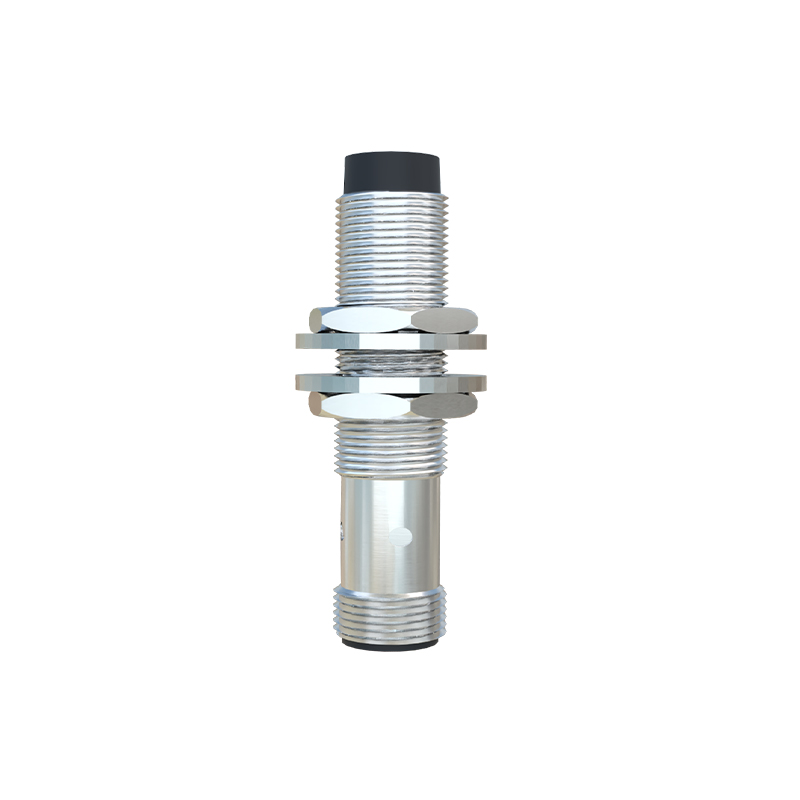
Critical Applications in Putuo District's Industrial Sector
The industrial fabric of Putuo District benefits immensely from proximity sensor integration. A primary application is in position sensing on conveyor systems, where sensors accurately detect the presence of products for sorting, counting, or robotic pick-and-place operations. In machine safety, they serve as vital components in safety light curtains and interlock systems, preventing machine operation when guards are open. Additionally, they are essential in automated assembly for part verification, ensuring correct component placement before a process continues. The district's focus on high-tech manufacturing and logistics necessitates such reliable automation, minimizing downtime and enhancing overall production quality and worker safety.
Selecting the Right Proximity Sensor Supplier
Choosing a reliable supplier for proximity sensors in Putuo District is a critical decision for any engineering project. Key considerations extend beyond just product specifications. A reputable supplier should offer comprehensive technical support, including assistance with sensor selection, integration troubleshooting, and customization options for unique applications. Availability of a wide product range—encompassing different sensing technologies, housing materials (like nickel-plated brass or stainless steel), and output types (PNP/NPN, analog, IO-Link)—is essential. Furthermore, suppliers with local warehouses or swift logistics within Putuo District can significantly reduce lead times, ensuring minimal disruption to production schedules during maintenance or system expansion.
Installation, Calibration, and Maintenance Best Practices
Proper installation is fundamental to sensor longevity and accuracy. Sensors must be mounted securely to avoid vibration-induced errors, with careful attention paid to the recommended sensing distance and avoidance of mutual interference between multiple sensors. Calibration, especially for analog or specialized sensors, ensures the output signal accurately reflects the measured parameter. Regular maintenance, though minimal for these solid-state devices, involves periodic cleaning of the sensing face to remove debris and verification of operational performance. For complex systems in Putuo District's facilities, establishing a preventive maintenance schedule and training in-house technicians on basic diagnostics can prevent costly unplanned stoppages.
The Future: Smart Sensors and Industry 4.0 Integration
The future of proximity sensing in Putuo District is inextricably linked with the rise of Industry 4.0 and the Industrial Internet of Things (IIoT). The next generation of sensors goes beyond simple detection; they are becoming intelligent data points. Sensors equipped with IO-Link communication provide detailed diagnostic data—such as operating temperature, signal strength, and potential contamination warnings—directly to the control system. This facilitates predictive maintenance, where potential failures are identified before they occur, and allows for dynamic process optimization. As Putuo District continues to advance its smart manufacturing capabilities, investing in these intelligent sensing solutions will be key to maintaining competitive advantage through enhanced data transparency and operational agility.
Conclusion and Strategic Implementation
Implementing the right proximity sensor solution is a strategic investment for any industrial operation in Putuo District. It requires a systematic approach: clearly defining the application requirements, partnering with a knowledgeable and responsive supplier, adhering to rigorous installation standards, and planning for future technological upgrades. The correct sensor not only solves an immediate detection need but also contributes to a larger framework of efficiency, safety, and data-driven decision-making. By leveraging the advanced proximity sensor technologies available and integrating them thoughtfully into automated systems, businesses in Putuo District can achieve higher levels of productivity, quality,