Fundamental Operating Principles
Inductive proximity switches are non-contact electronic sensors designed to detect the presence or absence of metallic objects. Their operation is based on the principle of electromagnetic induction. The core component is an oscillator coil that generates a high-frequency electromagnetic field at the active face of the sensor. When a conductive metal target enters this field, eddy currents are induced on the surface of the target. These eddy currents draw energy from the oscillator, causing a reduction in its amplitude. An integrated evaluation circuit continuously monitors this oscillation amplitude. Once the amplitude drop reaches a predefined threshold—corresponding to the sensor's set switching distance—the circuit triggers a state change in the sensor's output, typically switching a solid-state transistor (PNP or NPN) or a relay. This entire process occurs without any physical contact, making these devices exceptionally reliable for harsh industrial environments with high mechanical wear potential.
Key Characteristics and Performance Metrics
Several critical parameters define the performance and suitability of an inductive sensor for a given application. The nominal sensing distance (Sn) is a theoretical value under standardized conditions (typically a mild steel target). The effective or real sensing distance (Sr) is the actual switching distance under specified operating conditions and can vary based on target material, size, and temperature. A crucial design factor is the reduction factor, which indicates how the sensing distance decreases for metals other than mild steel. For instance, stainless steel might have a reduction factor of 0.7 to 0.9, while brass or aluminum can be as low as 0.3 to 0.4, significantly shortening the effective range. Other vital metrics include repeatability, hysteresis (the difference between the switch-on and switch-off points), switching frequency (how many on/off cycles per second), and environmental ratings like IP (Ingress Protection) and IK (impact resistance) codes, which define protection against dust, water, and mechanical shock.
Common Variants and Specialized Types
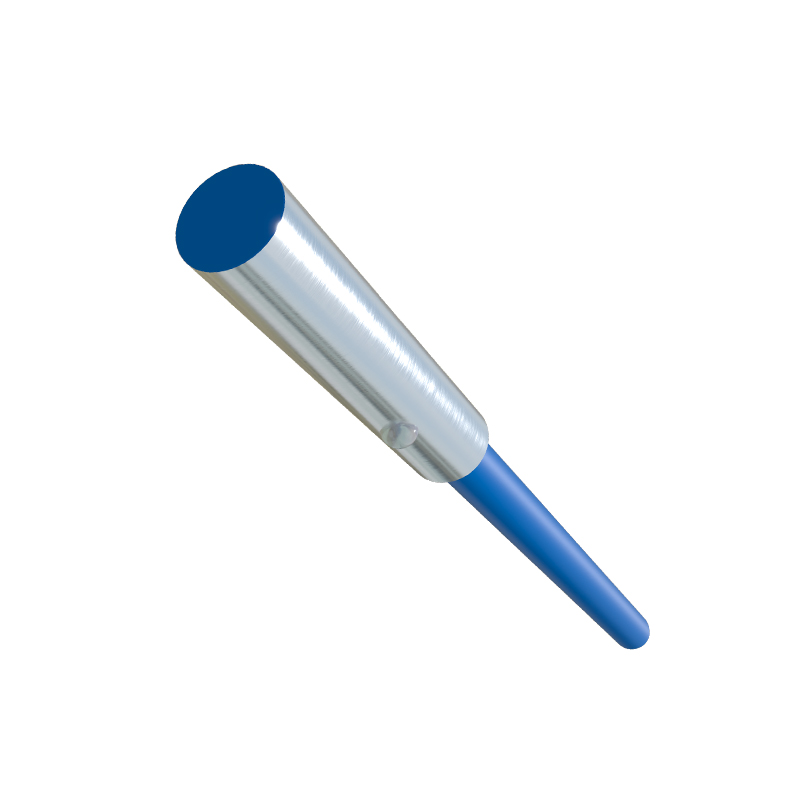
Beyond standard cylindrical and rectangular housings, inductive sensors come in specialized forms to meet diverse application needs. Factor-1 sensors are designed to have nearly identical sensing distances for different metals, mitigating the reduction factor issue. All-metal detection sensors can detect any metal type at a similar range. High-temperature sensors are built with specialized materials and designs to withstand ambient temperatures exceeding 100°C, often up to 200°C or more, commonly used in foundries or near furnaces. Weld-field immune sensors are specifically shielded to resist the intense electromagnetic interference generated during resistance welding processes, preventing false triggering. Analog output sensors provide a continuous current or voltage signal proportional to the distance to the target, enabling precise position monitoring rather than simple on/off switching.
Typical Industrial Applications
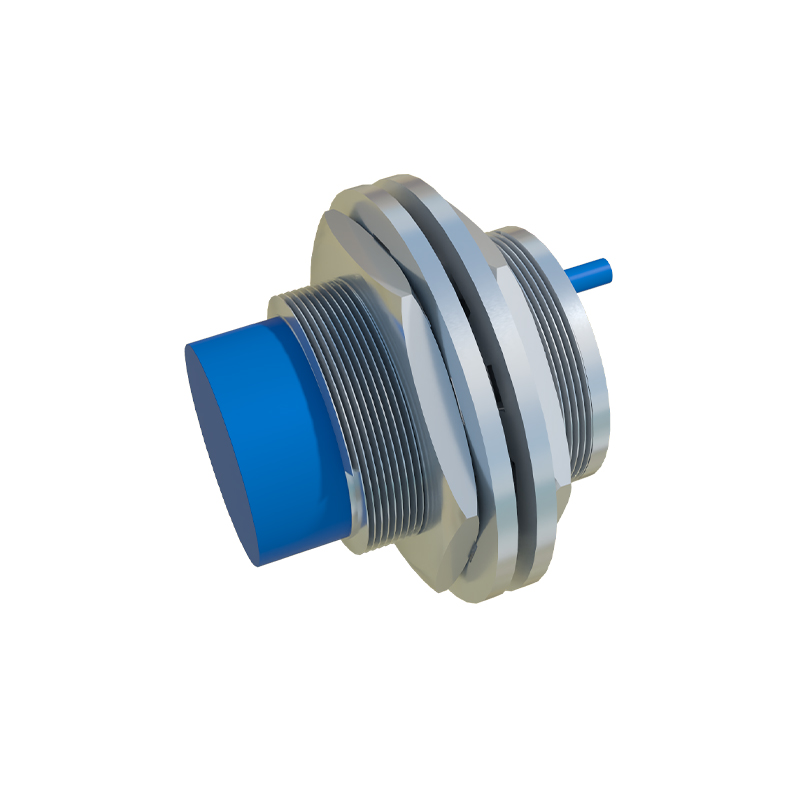
The robustness and reliability of inductive proximity switches make them ubiquitous in factory automation. A primary use is in position sensing on automated machinery, such as verifying the presence of a metal part at a workstation, detecting the end-of-travel of a cylinder, or confirming the closure of a safety guard. They are integral to counting operations on conveyor lines, tallying metal parts, cans, or bottles with metal caps. In metalworking, they are used for tool breakage detection on CNC machines or monitoring spindle position. Their sealed housings allow them to function in dirty, oily, or wet conditions where optical sensors might fail, such as in automotive assembly plants, packaging machinery, and material handling systems. The weld-field immune variants are indispensable in robotic welding cells.
Critical Selection and Installation Guidelines
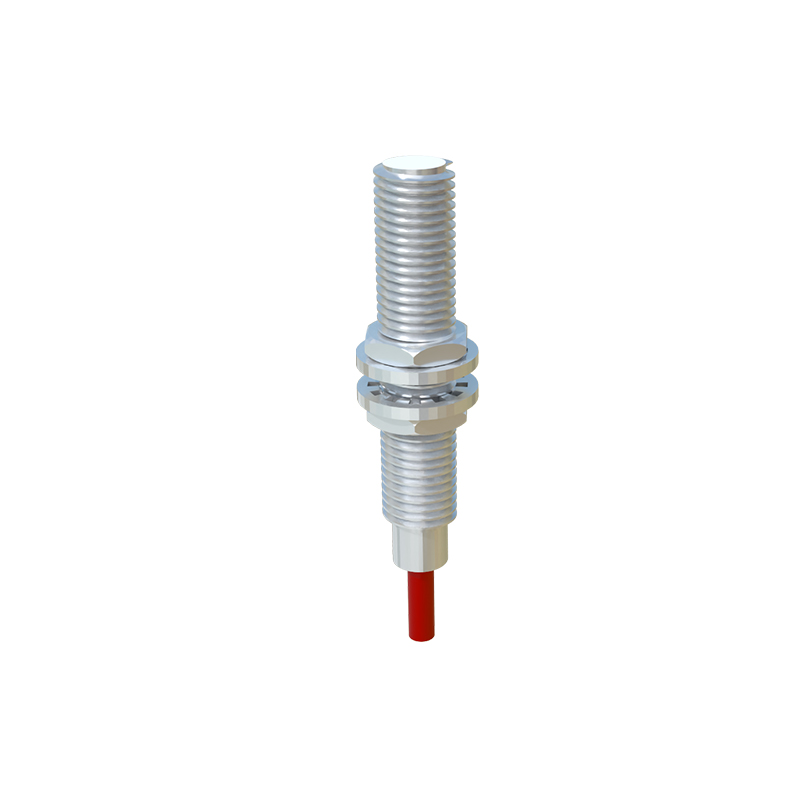
Selecting the correct inductive sensor requires careful consideration of multiple factors. First, identify the target material and size; a target should be at least equal to the sensor's face diameter for reliable detection. The required sensing distance must account for the target's reduction factor. The electrical output type (PNP vs. NNP, NO vs. NC) must be compatible with the control system's input card (sourcing or sinking). The housing material (e.g., nickel-plated brass, stainless steel, PBT plastic) must resist the environmental chemicals. Proper installation is equally critical. Sensors must be mounted securely to minimize vibration effects. Adequate clearance from surrounding metal (lateral and flush-mounting distances as per datasheet specifications) is mandatory to prevent false actuation due to the electromagnetic field interacting with the mounting bracket or machine frame. Always refer to the manufacturer's technical data for precise specifications.
Advantages Over Alternative Technologies
Compared to other non-contact sensing methods like capacitive, ultrasonic, or photoelectric sensors, inductive switches offer distinct advantages for metal detection. They are completely immune to common environmental interferents such as dust, dirt, oil, smoke, and ambient light. They offer