Introduction to Photoelectric Sensor Housings
The housing of a photoelectric sensor is far more than a simple protective shell; it is a critical component that defines the sensor's performance, longevity, and suitability for specific applications, particularly in demanding environments like staircases. Staircase lighting control systems rely on these sensors for automatic activation, making reliability paramount. The choice of housing material directly impacts the sensor's ability to withstand physical impact, environmental contaminants, temperature fluctuations, and UV exposure. An inappropriate material selection can lead to premature failure, false triggers, or complete malfunction, compromising both safety and energy efficiency. This guide delves into the most common housing materials, analyzing their properties to aid engineers in making informed specification decisions.
Polycarbonate (PC): The Standard for Durability
Polycarbonate is arguably the most prevalent material for industrial-grade photoelectric sensor housings, including those used in staircase applications. Its primary advantage is an exceptional combination of high impact resistance and good optical clarity. This makes PC housings highly resistant to vandalism, accidental knocks from cleaning equipment, or impacts from objects carried on stairs. Furthermore, polycarbonate offers good dimensional stability across a wide temperature range, typically from -40°C to +120°C, which is suitable for both indoor and sheltered outdoor stairwells. It also possesses inherent flame-retardant properties (often rated UL94 V-0), a crucial safety consideration in building applications. However, standard PC can be susceptible to chemical attack from certain solvents and may yellow under prolonged, intense UV exposure unless specially treated with UV stabilizers.
Acrylonitrile Butadiene Styrene (ABS): The Cost-Effective Workhorse
ABS plastic is a common choice for photoelectric sensors in less demanding, cost-sensitive staircase installations, typically indoors. It offers a good balance of mechanical strength, rigidity, and surface finish at a lower cost than polycarbonate. ABS is easy to mold, allowing for complex housing geometries that can accommodate specific lens designs or mounting features. Its impact resistance is lower than PC but generally sufficient for controlled indoor environments where physical abuse is minimal. The main limitations of ABS include poorer performance at temperature extremes, lower UV resistance (leading to brittleness and color fading if used outdoors), and inferior chemical resistance compared to more advanced engineering plastics. For standard indoor residential or commercial staircases with stable environments, ABS provides a reliable and economical solution.
Stainless Steel: For Harsh and Hygienic Environments
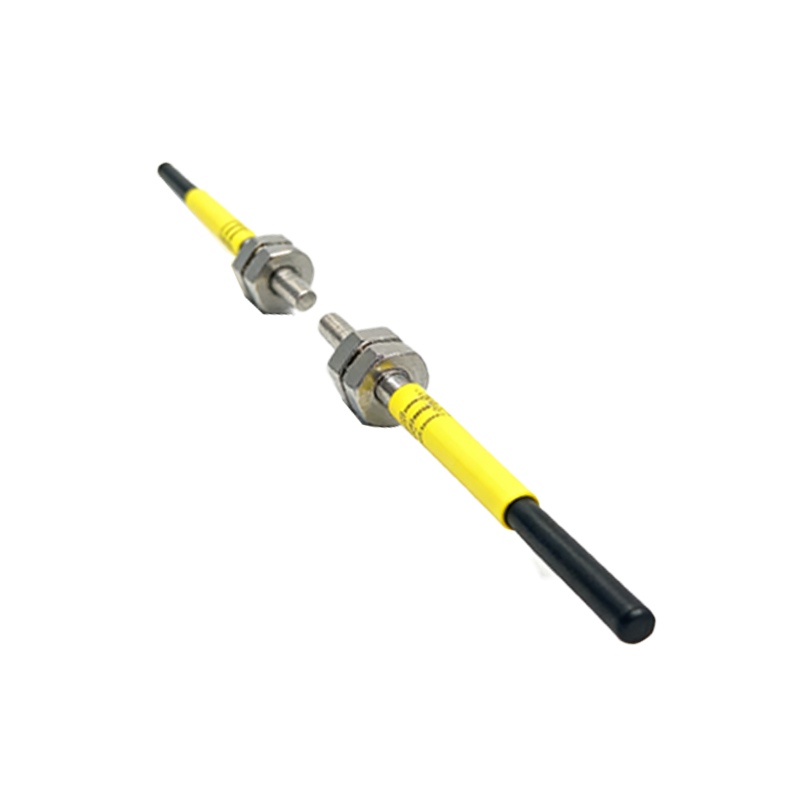
In applications where extreme durability, chemical resistance, or hygiene is paramount, stainless steel housings (typically grades 304 or 316) are specified. This is common in industrial settings, food processing plants, pharmaceutical facilities, or outdoor public staircases exposed to corrosive elements like salt spray. A stainless steel housing offers unparalleled resistance to physical damage, high-pressure washdowns, and a vast array of chemicals. It is also completely immune to UV degradation. The trade-offs are significant: higher cost, greater weight, and the fact that metal is opaque. Therefore, photoelectric sensors with metal housings use a sealed window of glass or durable plastic (like PC) for the optical path. The thermal conductivity of metal can also be a factor in very high or low-temperature environments, potentially affecting internal electronics.
Polyamide (PA / Nylon): Balancing Strength and Chemical Resistance
Polyamide, commonly known as Nylon, is frequently used for sensor housings requiring high mechanical strength, wear resistance, and good performance against oils, fuels, and weak acids. Grades like PA 6.6 with glass fiber reinforcement offer exceptional toughness and rigidity. This makes them suitable for staircase applications in industrial warehouses, parking garages, or other locations where sensors might be exposed to abrasion from dust and particulates or occasional splashes of lubricants. Nylon housings maintain their properties well at elevated temperatures. However, they are generally not chosen for optical clarity; they are used for the main body while a separate transparent lens is installed. A key consideration is nylon's tendency to absorb moisture, which can slightly affect dimensions and electrical insulation properties over time in very humid stairwells.
Specialty Plastics: PBT and PVDF
For niche staircase applications with unique challenges, engineers may turn to more specialized thermoplastics. Polybutylene Terephthalate (PBT) is valued for its excellent electrical insulation properties, high thermal stability (up to 150°C continuous), and low moisture absorption. It is a good candidate for sensors integrated into electrical enclosures or located near heat sources. Polyvinylidene Fluoride (PVDF) represents the high end of chemical and UV resistance among plastics. It is virtually inert to nearly all chemicals and solvents and exhibits outstanding weatherability. Sensors with PVDF housings are specified for the most aggressive environments, such as chemical plants or coastal areas with high salt and UV exposure, where even stainless steel might be prone to certain types of corrosion.
Key Selection Criteria for Staircase Applications
Selecting the optimal housing material requires a systematic evaluation of the installation environment. First, assess the Impact Risk: Is the sensor in a public access area prone to vandalism or accidental contact? Polycarbonate or metal is preferable. Second, evaluate Environmental Exposure: Will it face sunlight (requiring UV-stabilized PC or metal), moisture, condensation, or washdown (favoring stainless steel or sealed housings with high IP ratings)? Third, consider Chemical Exposure: Are cleaning agents, de-icing salts, or industrial fumes present? This may necessitate stainless steel, PVDF, or chemical-resistant PC. Fourth, account for Temperature Range: Ensure the material's operational limits exceed the stairwell's expected highs and lows. Finally, balance these needs against Budgetary Constraints, as material choice significantly affects unit cost.
Conclusion and Best Practices
There is no universal "best" material for a staircase photoelectric sensor housing; the optimal choice is a direct function of the specific operational environment and performance requirements. For most general indoor staircases, UV-stabilized Polycarbonate offers the best all-around performance and value. For harsh, corrosive, or hygienic-critical environments, Stainless Steel is the robust, long-term solution. Engineers must consult sensor datasheets carefully, as they specify the exact housing material and its key properties, including IP (Ingress Protection) and IK (Impact Protection) ratings, which are derived from the housing's design and material. Always prioritize sensors from manufacturers that clearly define these material specifications, ensuring the selected device will provide reliable, maintenance-free service throughout the lifespan of the staircase lighting control system.