Introduction to M12x1 Proximity Sensors
In the intricate world of industrial automation, the demand for reliable, space-saving, and high-performance sensing solutions is perpetual. Among the myriad of components, the M12x1 proximity sensor stands out as a fundamental and versatile workhorse. Characterized by its compact 12mm diameter housing with a 1mm pitch thread, this sensor format has become a global standard in factory automation, packaging, material handling, and robotics. Its primary function is to detect the presence or absence of a metallic or non-metallic target without physical contact, thereby enabling precise control, counting, positioning, and safety functions within a machine or process line. The standardized M12 connector system further enhances its appeal, ensuring quick installation, robust connections, and easy maintenance, which are critical factors in minimizing machine downtime and optimizing production efficiency.
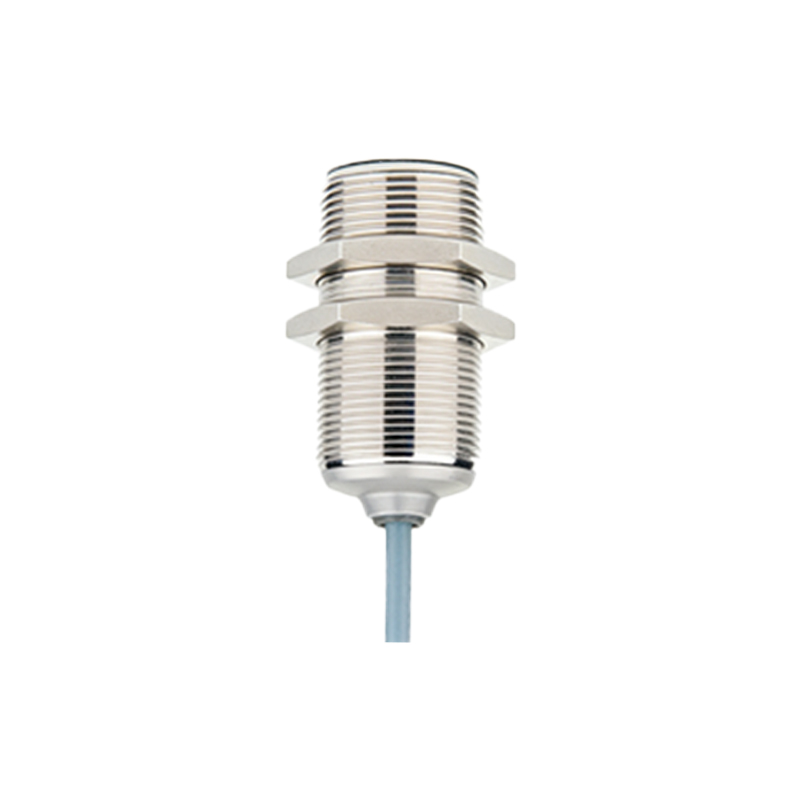
Core Operating Principles and Technologies
M12x1 proximity sensors are primarily built on two core sensing technologies: inductive and capacitive. Inductive sensors are the most common variant within the M12 form factor. They generate an electromagnetic field from a coil in the sensing face. When a metallic object (the target) enters this field, it induces eddy currents, causing a change in the oscillation amplitude. The sensor's internal circuitry detects this change and triggers a solid-state output switch. These sensors are ideal for detecting metals like steel, aluminum, and copper at short ranges, typically up to a few millimeters. Capacitive M12 sensors, on the other hand, can detect both metallic and non-metallic materials such as liquids, plastics, wood, and glass. They work by generating an electrostatic field. The presence of any material with a dielectric constant different from air alters the capacitance of the circuit, triggering the output. This makes them indispensable in applications involving level detection of liquids or granular materials, or where the target is non-conductive.
Key Specifications and Selection Criteria
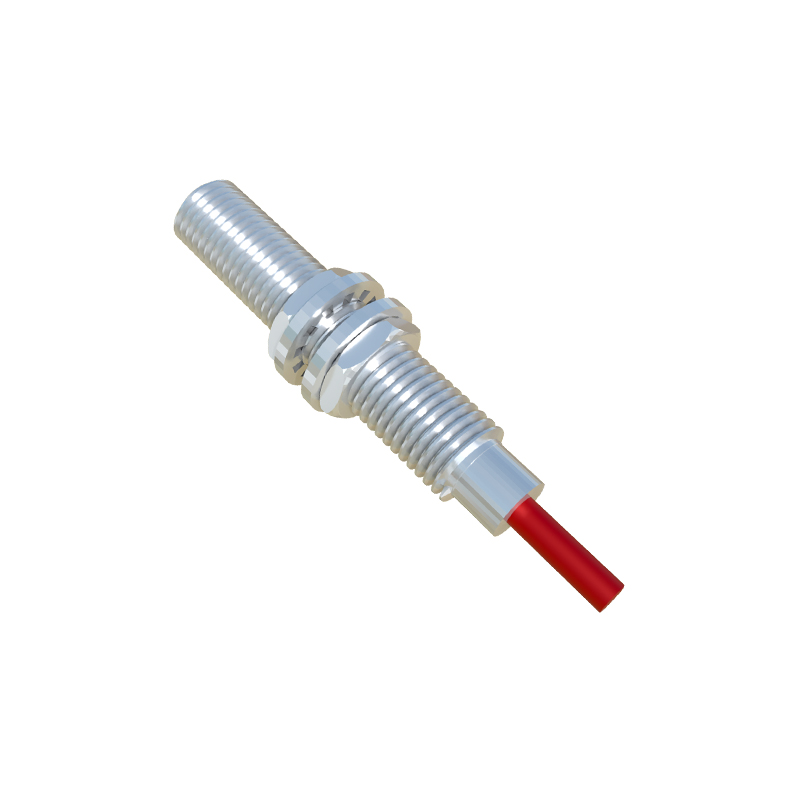
Selecting the correct M12x1 sensor requires careful consideration of several technical parameters. The sensing distance, or nominal range (Sn), is crucial and varies by model and target material. Engineers must account for factors like temperature drift and supply voltage tolerance. The housing material, typically nickel-plated brass or stainless steel (e.g., V2A, V4A), determines the sensor's resistance to corrosion, chemicals, and physical impact, which is vital for harsh environments. Output configuration is another critical choice: PNP (sourcing) or NPN (sinking) transistor outputs, along with Normally Open (NO) or Normally Closed (NC) switching logic, must match the controller's input card requirements. Additionally, features like short-circuit protection, reverse polarity protection, and an LED status indicator are standard expectations that enhance reliability and simplify troubleshooting in the field.
Advantages in Modern Automation Systems
The widespread adoption of the M12x1 form factor is driven by its significant advantages. Its compact size allows for high-density mounting in space-constrained machine designs, enabling more sensors per unit area for complex automation tasks. The standardized threaded barrel and connector promote interchangeability and simplify inventory management for maintenance teams worldwide. The robust metal housing provides excellent resistance to vibration, shock, and washdown procedures common in food & beverage or pharmaceutical industries. Furthermore, modern M12 sensors offer high switching frequencies, allowing them to detect very fast-moving objects on production lines. Their compatibility with IO-Link communication protocol, a growing trend in Industry 4.0, transforms them from simple binary switches into intelligent devices capable of transmitting process data, diagnostic information, and allowing for remote parameterization, paving the way for predictive maintenance and enhanced system transparency.
Typical Applications Across Industries
The application spectrum for M12x1 proximity sensors is remarkably broad. In automotive manufacturing, they are used for part presence verification on assembly robots, end-of-arm tooling detection, and pallet positioning in conveyor systems. In packaging machinery, they ensure correct carton flap positioning, detect fill levels in bottles, and count products on high-speed lines. In material handling, they provide position feedback for linear actuators, detect the presence of goods on roller conveyors, and serve as limit switches on automated guided vehicles (AGVs). The capacitive versions find use in liquid processing plants for level control in tanks or detecting the presence of plastic or glass containers. Their reliability and durability make them a default choice for any application requiring robust, non-contact detection in a compact package.
Installation and Maintenance Best Practices
Proper installation is key to maximizing the performance and lifespan of an M12x1 sensor. It is essential to follow the manufacturer's specified mounting conditions, maintaining the correct lateral and axial distance from metal surfaces (