Compact Design with Maximum Efficiency
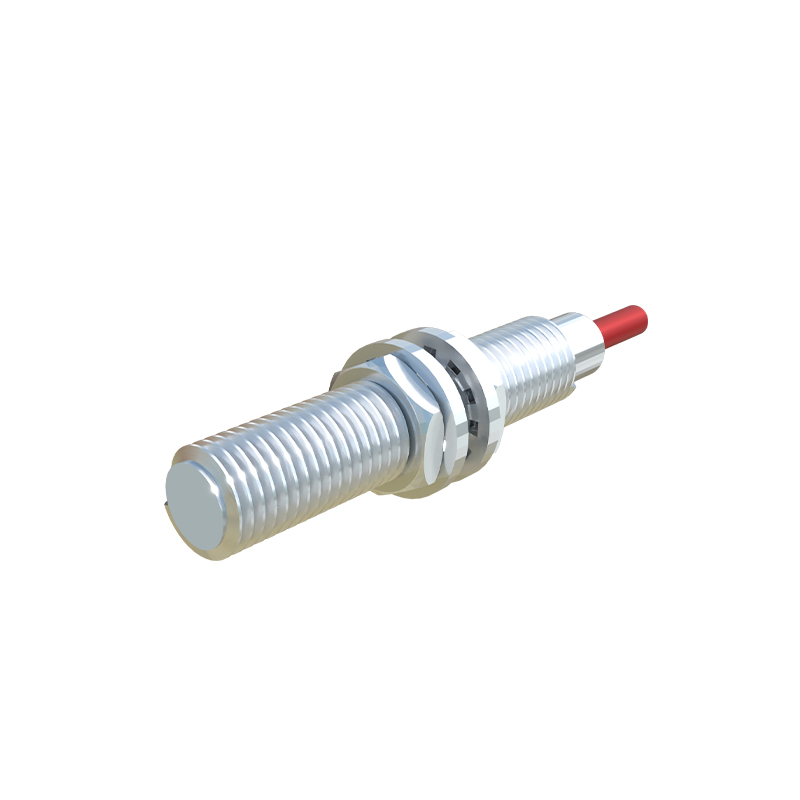
Small proximity sensors have revolutionized industrial automation by offering an unparalleled blend of compactness and high performance. These devices, often no larger than a coin, can detect the presence or absence of objects without physical contact, making them ideal for space-constrained applications. Their miniature size allows for seamless integration into tight machinery layouts, robotic arms, and assembly lines where traditional sensors would be impractical. Despite their small footprint, they deliver reliable detection ranges and fast response times, ensuring minimal downtime and enhanced operational efficiency. Engineers appreciate their ability to perform in harsh environments, resisting dust, moisture, and vibration, which underscores their durability and versatility across various sectors.
Enhanced Precision and Sensitivity
The advanced technology embedded in small proximity sensors enables exceptional precision in object detection. Utilizing inductive, capacitive, or magnetic principles, these sensors can accurately sense metals, plastics, liquids, and other materials with high sensitivity. This precision is critical in applications such as positioning control, counting parts on conveyor belts, or monitoring robotic movements, where even minor errors can lead to significant production flaws. Their adjustable sensing ranges and tunable parameters allow for customization to specific tasks, reducing false triggers and improving overall system accuracy. This level of control supports complex automation processes, contributing to higher quality outputs and reduced waste in manufacturing.
Energy Efficiency and Cost-Effectiveness
Small proximity sensors are designed with energy-saving features that align with modern sustainability goals. They consume minimal power during operation, often leveraging low-voltage circuits and sleep modes to reduce electrical loads. This efficiency translates into lower energy costs for facilities, especially in large-scale installations with hundreds of sensors running continuously. Additionally, their long lifespan and minimal maintenance requirements make them a cost-effective investment. By avoiding mechanical wear due to non-contact operation, they decrease replacement frequency and associated labor expenses, offering a strong return on investment over time for businesses aiming to optimize budgets.
Easy Integration and Flexibility
Integrating small proximity sensors into existing systems is straightforward, thanks to standardized mounting options and compatibility with common industrial protocols like IO-Link, PROFINET, or Ethernet/IP. Their plug-and-play nature simplifies installation, allowing engineers to deploy them quickly without extensive rewiring or programming. Many models feature modular designs that support various output types (e.g., PNP, NPN) and housing materials, enabling adaptation to diverse operational needs. This flexibility extends to application areas, from automotive manufacturing and packaging to food processing and pharmaceuticals, where they enhance automation by providing reliable feedback for control systems.
Future Trends and Innovations
The evolution of small proximity sensors continues with emerging trends such as smart sensor networks and IoT connectivity. Modern versions incorporate digital interfaces that enable real-time data monitoring, predictive maintenance, and remote diagnostics, aligning with Industry 4.0 initiatives. Innovations in materials and sensing technologies are further reducing sizes while increasing detection capabilities, paving the way for even more compact and intelligent solutions. As automation demands grow, these sensors will play a pivotal role in enabling smarter, more responsive industrial environments, driving efficiency and innovation forward.