Introduction to Photoelectric Sensor Technology
Photoelectric sensors are indispensable components in modern industrial automation, providing non-contact detection of objects, distances, and conditions. These devices operate by emitting a light beam, typically from an LED or laser diode, and detecting changes in the received light intensity. The core principle involves the interaction of light with the target object—whether through reflection, interruption, or retro-reflection. This technology enables high-speed, precise, and reliable sensing across diverse environments, from clean rooms to harsh manufacturing floors. The fundamental types include through-beam, retro-reflective, and diffuse reflective sensors, each offering distinct advantages for specific applications. Their ability to detect a vast range of materials, including glass, metal, plastic, and liquids, without physical contact, minimizes wear and tear and ensures long operational life. As Industry 4.0 advances, the integration of smart features like IO-Link, advanced diagnostics, and enhanced connectivity is transforming these sensors into critical data points within the Industrial Internet of Things (IIoT) ecosystem.
Key Selection Criteria for Sensor Equipment
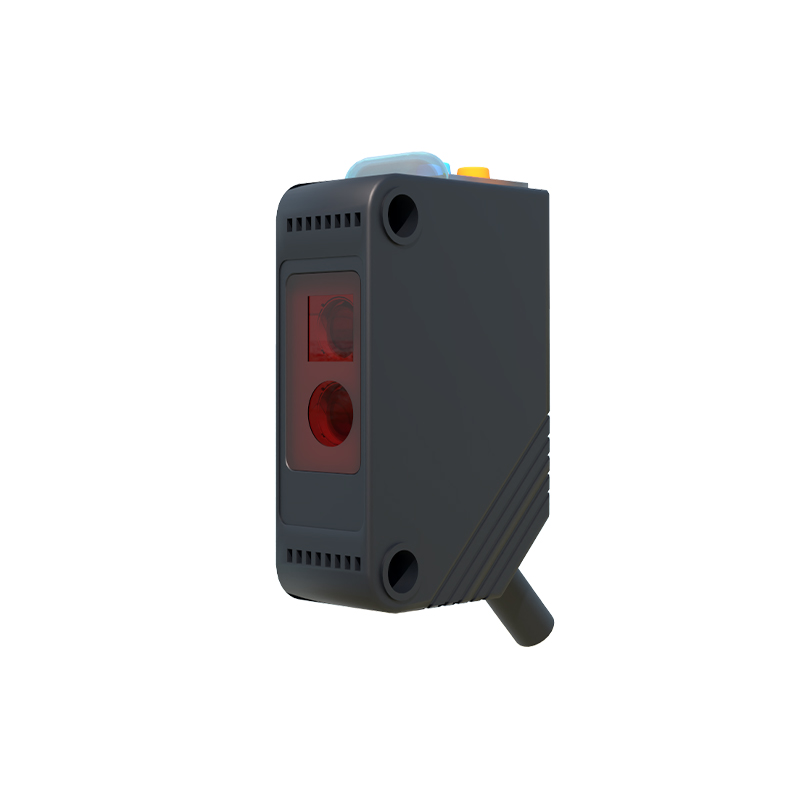
Choosing the right photoelectric sensor requires a meticulous evaluation of several technical parameters to ensure optimal performance in the intended application. Sensing range is a primary consideration, determining the maximum distance at which the sensor can reliably detect an object. Environmental factors such as ambient light, temperature extremes, dust, moisture, and potential chemical exposure dictate the required ingress protection (IP) rating and housing material, often stainless steel or ruggedized plastics. The response time and switching frequency are critical for high-speed production lines, where milliseconds impact throughput. Output type—whether NPN/PNP discrete, analog, or digital serial communication—must align with the control system architecture. Furthermore, the light source wavelength (visible red, infrared, or laser) affects detection capabilities; for instance, red light is easy to align, while infrared is less susceptible to ambient light interference. Leading manufacturers provide detailed specifications and application guides, empowering engineers to make informed decisions that balance performance, durability, and cost.
Innovations from Top-Tier Manufacturing Leaders
The competitive landscape of photoelectric sensor manufacturing is driven by continuous innovation. Industry leaders like Banner Engineering, Sick AG, Omron, Keyence, and Balluff are at the forefront, developing sensors with unprecedented capabilities. Recent advancements include the proliferation of background suppression technology, which allows sensors to ignore objects beyond a set distance, and true color sensing, which can distinguish colors for quality control. The miniaturization of housings enables installation in space-constrained locations without sacrificing sensing range or robustness. Enhanced connectivity through IO-Link provides valuable parameterization, condition monitoring, and diagnostic data directly to PLCs and SCADA systems, facilitating predictive maintenance. Furthermore, manufacturers are integrating advanced optics and algorithms to improve performance in challenging conditions, such as detecting transparent films, shiny surfaces, or low-contrast objects. These innovations are not merely incremental; they represent paradigm shifts that expand the possible applications of photoelectric sensing.
Applications Across Major Industrial Sectors
The versatility of photoelectric sensors ensures their deployment across a vast spectrum of industries. In automotive manufacturing, they are crucial for robot guidance, part presence verification on assembly lines, and precise positioning of components. The packaging industry relies on them for label detection, fill level control, and carton counting at high speeds. In material handling and logistics, sensors manage conveyor belt systems, control sorting gates, and ensure palletizing accuracy. The food and beverage sector utilizes washdown-rated sensors for hygiene-critical processes like bottle/can detection and packaging seal inspection. Pharmaceutical applications demand high-precision sensors for pill counting, vial presence checks, and tamper-evident seal verification. Even in emerging fields like renewable energy, these sensors monitor solar panel alignment and wind turbine blade position. This widespread adoption underscores their role as foundational elements for efficiency, safety, and quality assurance in automated processes.
Future Trends and Industry Outlook
The future of photoelectric sensor manufacturing is intrinsically linked to the evolution of smart factories. The convergence of sensing, communication, and data analytics will yield even more intelligent devices. We anticipate wider adoption of sensors with embedded intelligence for edge computing, allowing for preliminary data processing and decision-making at the source. Integration with artificial intelligence and machine learning algorithms will enable predictive quality control and adaptive process optimization. Furthermore, the demand for energy-efficient sensors with lower power consumption will grow, supporting sustainable manufacturing initiatives. Standardization in communication protocols will simplify integration into complex systems. As challenges like detecting smaller objects or operating in increasingly chaotic visual environments arise, manufacturers will respond with more sophisticated optical designs and signal processing techniques. The trajectory is clear: photoelectric sensors will evolve from simple switching devices to integral, intelligent nodes in a fully connected industrial landscape.