Introduction to Rectangular Proximity Sensors
Rectangular proximity sensors are a specialized category of non-contact sensing devices widely utilized in industrial automation and control systems. Unlike their cylindrical counterparts, these sensors feature a distinct rectangular housing, which offers unique advantages in specific mounting and sensing scenarios. Fundamentally, a proximity sensor detects the presence or absence of an object within its sensing range without any physical contact. The rectangular form factor is particularly engineered for applications where space constraints or specific mounting surfaces are a primary consideration. These sensors operate on various principles, including inductive, capacitive, and photoelectric technologies, with inductive being the most common for metal detection in harsh industrial environments. The rectangular design often allows for a larger sensing face, which can be beneficial for detecting larger or irregularly shaped targets.
Core Operating Principles and Technologies
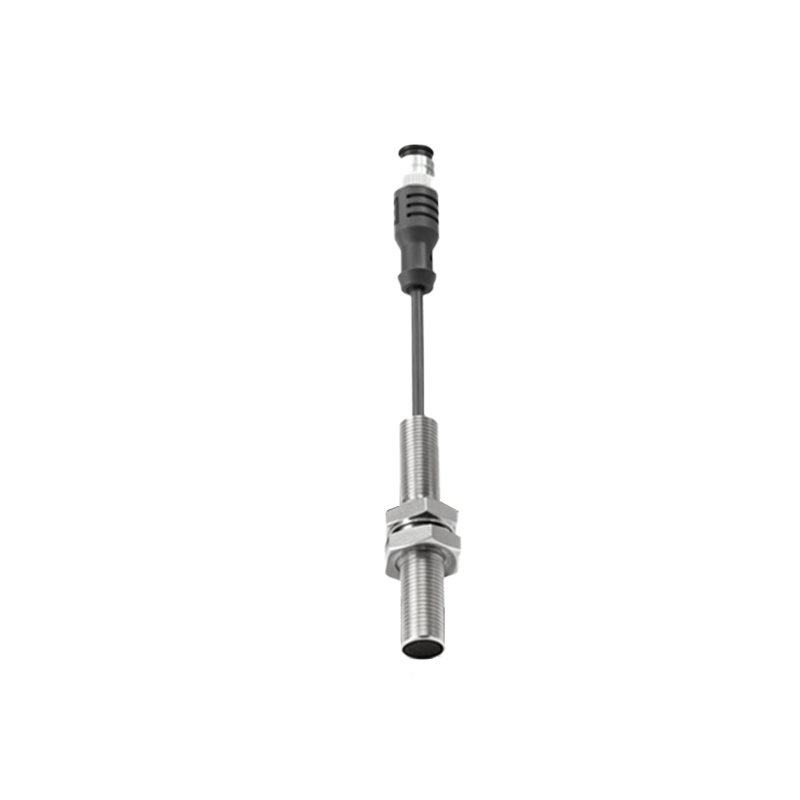
The functionality of a rectangular proximity sensor hinges on its underlying technology. Inductive rectangular sensors generate an electromagnetic field from a coil in the sensing face. When a metallic object enters this field, it induces eddy currents, causing a change in the oscillation amplitude. This change is detected by the sensor's circuitry, triggering a solid-state output switch. Capacitive versions measure changes in capacitance, which can detect both metallic and non-metallic materials like liquids, plastics, or wood, making them versatile for various applications. Photoelectric rectangular sensors employ a light emitter and receiver; they detect objects by measuring the interruption or reflection of a light beam. The choice of technology—inductive, capacitive, or photoelectric—directly depends on the target material, required sensing distance, environmental conditions, and the specific application demands.
Key Design Features and Specifications
The rectangular housing is not merely an aesthetic choice; it incorporates several critical design features. The housing is typically constructed from robust materials like nickel-plated brass, stainless steel, or high-grade plastics (PBT) to ensure durability against impacts, vibrations, and exposure to coolants or chemicals. A significant feature is the embedded mounting threads or slots, allowing for secure and flush installation on machinery frames, conveyor sides, or within tight enclosures. Key electrical specifications include the operating voltage range (commonly 10-30V DC or 20-250V AC), output type (PNP/NPN, NO/NC), and the rated sensing distance. Environmental ratings, such as IP67 or IP69K, indicate high resistance to dust and water ingress, which is crucial for washdown areas in food processing or automotive plants. Many models also incorporate LED status indicators for easy diagnostics.
Advantages Over Cylindrical Sensor Designs
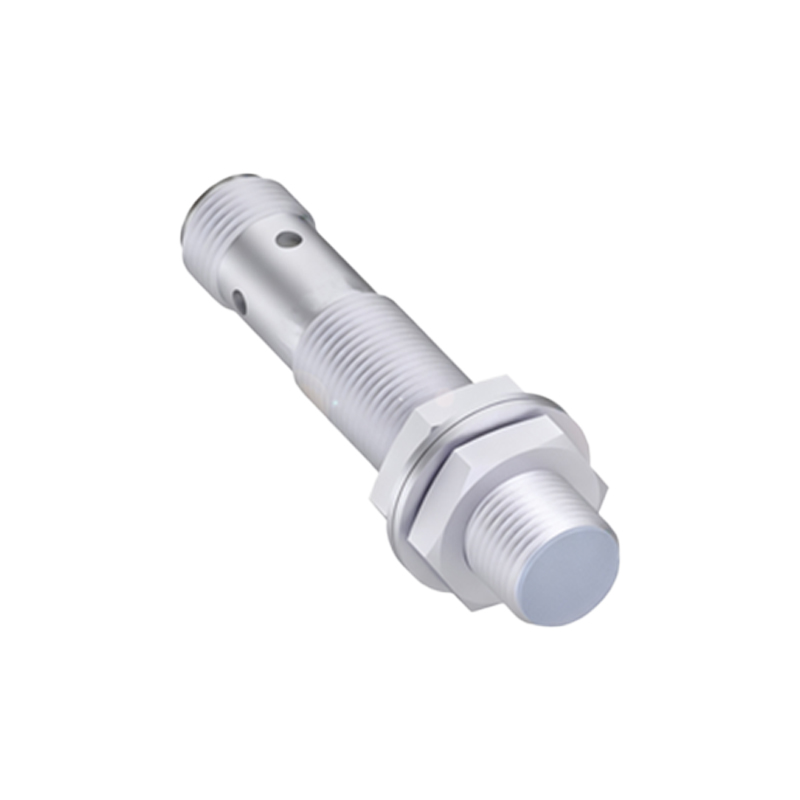
The rectangular form factor offers several distinct operational advantages. The flat sensing surface allows for easier and more stable mounting on flat machine surfaces, often without the need for additional brackets. This design can provide a larger active sensing area compared to a cylindrical sensor of similar volume, potentially improving detection reliability for certain target shapes. The shape is inherently more space-efficient in panel or linear array installations, enabling tighter packing of multiple sensors. Furthermore, the housing often provides better protection for the internal electronics against mechanical stress from specific directions. For sensing applications requiring side-by-side installation without mutual interference (anti-collision), the flat profile and specific shielding of rectangular sensors are highly beneficial.
Typical Industrial Applications and Use Cases
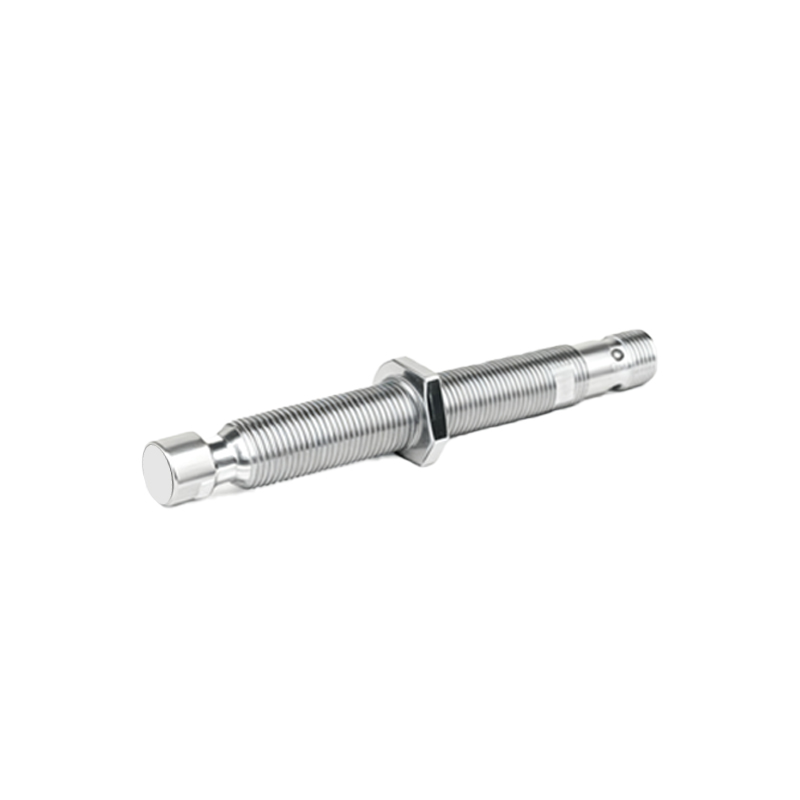
Rectangular proximity sensors find extensive use across diverse industrial sectors. In automated assembly lines, they are employed for precise position verification of components on pallets or fixtures. Within packaging machinery, they detect the presence of cardboard boxes, plastic bottles, or foil lids on conveyors. In material handling, they serve as limit switches for linear actuators or to count objects on a belt. The robust construction of inductive rectangular sensors makes them ideal for metal machining centers, where they monitor tool presence, detect broken tools, or confirm part clamping. In the automotive industry, they are integrated into robotic welding cells for part positioning. Capacitive rectangular sensors are crucial in liquid level control within tanks or detecting non-metallic materials in process industries.
Installation Considerations and Best Practices
Proper installation is paramount for reliable sensor operation. Engineers must first ensure the selected sensor's technology and sensing range are appropriate for the target material and required detection distance. Mounting should be secure to prevent vibration-induced misalignment. It is critical to maintain the specified lateral and axial distance between multiple sensors to prevent mutual interference, especially with inductive types. The sensor face should be kept clean from debris, oil, or metal chips that could attenuate the sensing field. Electrical wiring must adhere to the manufacturer's guidelines, paying close attention to polarity for DC models and implementing proper shielding in electrically noisy environments. For long cable runs, using twisted-pair cables is recommended to minimize electromagnetic interference. Regular functional testing should be part of the