Introduction to Photoelectric Sensors
Photoelectric sensors are fundamental components in modern industrial automation, particularly within web guiding systems. These devices operate on the principle of converting light signals into electrical signals to detect the presence, absence, or position of an object. In the context of web guiding, which involves controlling the lateral movement of continuous materials like paper, film, textiles, or metal foils during processing, photoelectric sensors play a critical role in ensuring precision and efficiency. They achieve this by monitoring the edge or line of the material web, providing real-time feedback to the guiding mechanism. The core technology relies on a light emitter, typically an LED or laser diode, and a receiver, such as a phototransistor or photodiode. When the emitted light beam is interrupted or reflected by the web material, the receiver detects the change, triggering a signal that instructs the guiding system to make necessary adjustments. This process is continuous and high-speed, essential for maintaining alignment in fast-moving production lines. The reliability of these sensors directly impacts product quality, reducing waste from misalignment and minimizing downtime. As industries demand higher speeds and tighter tolerances, the evolution of photoelectric sensor technology has been pivotal, incorporating advanced features like background suppression, precise beam shaping, and robust housing for harsh environments. Understanding their basic operation and types is the first step in appreciating their application in sophisticated guiding systems.
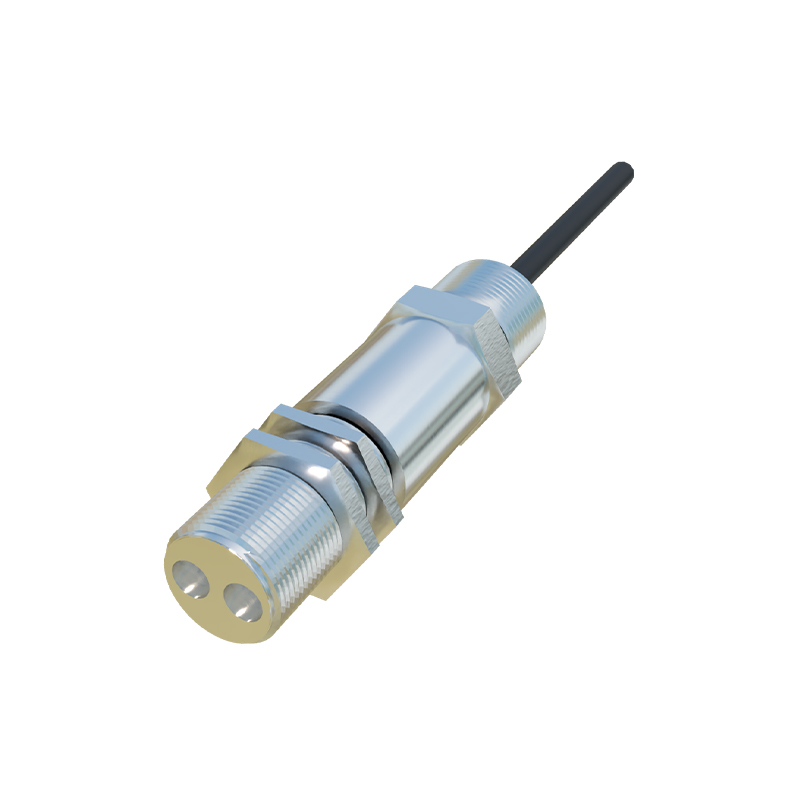
Key Operating Principles and Technologies
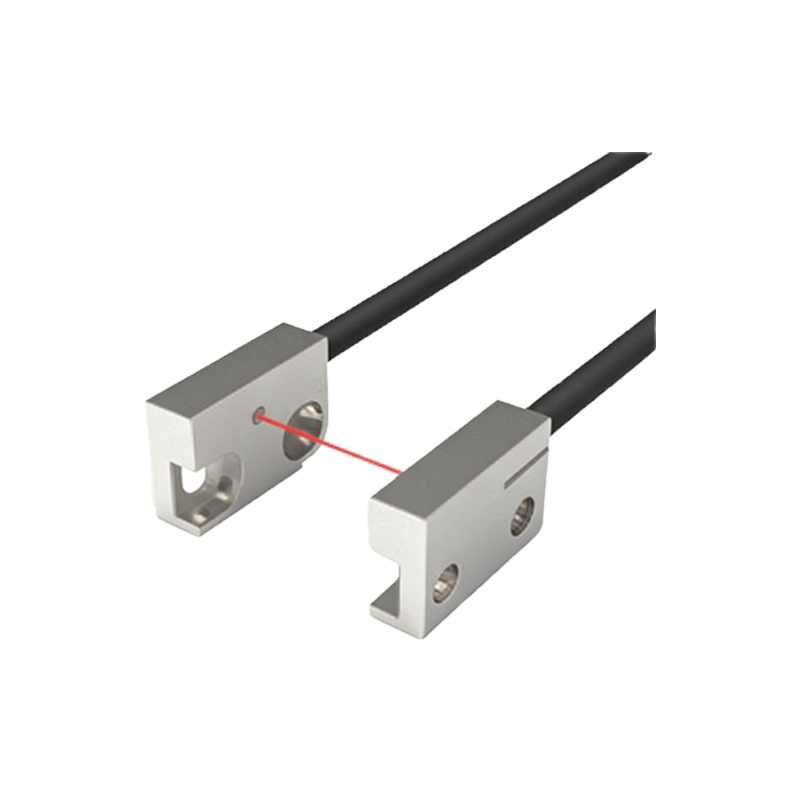
The effectiveness of photoelectric sensors in web guiding hinges on several operating modes: through-beam, retro-reflective, and diffuse reflection. Through-beam sensors consist of separate emitter and receiver units placed opposite each other. The web material passes between them, breaking the light beam when it deviates from its set path. This mode offers high accuracy and long sensing ranges, making it suitable for detecting clear or transparent materials. Retro-reflective sensors use a single unit containing both emitter and receiver, along with a reflector. The light beam is projected toward the reflector and bounces back to the receiver. Any obstruction by the web edge alters the reflected signal. This setup simplifies installation but may be less effective with highly reflective materials. Diffuse reflection sensors, also known as proximity sensors, detect light reflected directly from the target material itself. They are ideal for applications where mounting a reflector or separate receiver is impractical. In web guiding, diffuse sensors are often used for edge detection by sensing the contrast between the material and its background. Advanced technologies enhance these principles: Background suppression allows sensors to ignore distant objects, focusing only on the web edge. Polarized filters help reduce false triggers from glossy surfaces. Digital signal processing enables fine-tuning of sensitivity and response times, adapting to varying material colors, textures, and environmental conditions like dust or humidity. Laser-based sensors provide extremely focused beams for precise edge detection on thin or fast-moving webs. These technological refinements ensure that photoelectric sensors deliver consistent performance, even in challenging industrial settings.
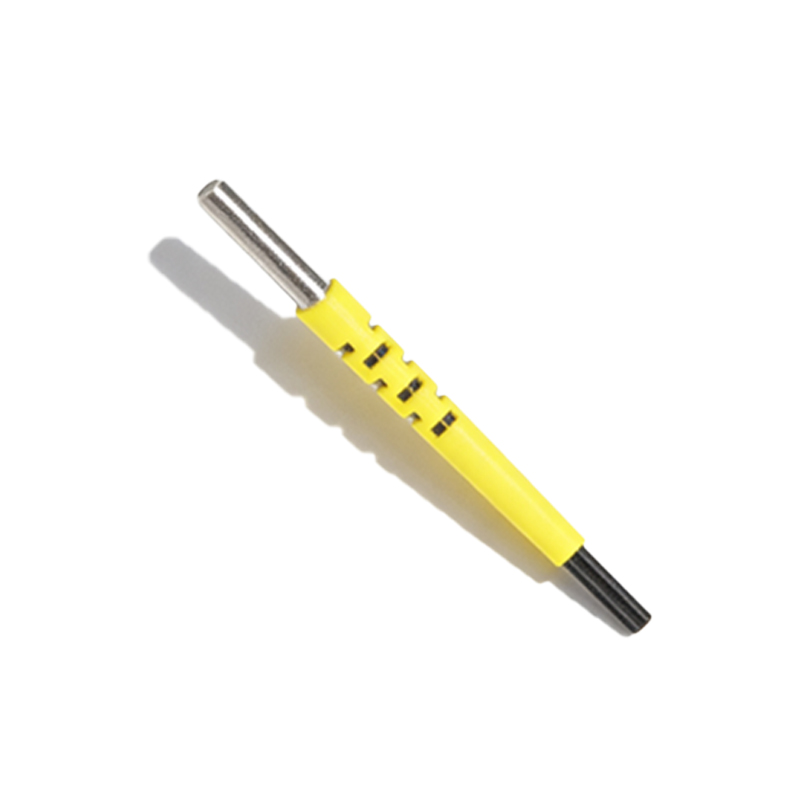
Applications in Web Guiding Systems
In web guiding systems, photoelectric sensors are deployed primarily for edge detection or line following. Edge detection involves positioning a sensor to monitor one side of the moving web. As the material shifts, the sensor detects the change in the edge position relative to a reference point, sending corrective signals to actuators that adjust rollers or guides. This method is common in industries handling opaque materials like paper or plastic films. Line following, on the other hand, uses sensors to track a printed line or contrasting mark on the web surface, ensuring accurate registration in printing or converting processes. Sensors are strategically placed along the production line—at unwinds, rewinds, and intermediate processing stations—to maintain alignment throughout. For instance, in a printing press, photoelectric sensors ensure that colors are registered correctly by monitoring guide marks, preventing smearing or misalignment. In textile manufacturing, they keep fabrics centered during dyeing or coating, reducing edge damage and material waste. The integration of these sensors with programmable logic controllers (PLCs) and human-machine interfaces (HMIs) allows for automated adjustments, real-time monitoring, and data logging. Modern systems often employ multiple sensors in array configurations to cover wider web widths or to provide redundancy, enhancing reliability. Case studies show that implementing high-precision photoelectric sensors can improve production speed by up to 20% and reduce material scrap by 15%, highlighting their economic and operational benefits.
Selection Criteria and Installation Best Practices
Choosing the right photoelectric sensor for a web guiding application requires careful consideration of several factors. First, the material characteristics—such as color, transparency, reflectivity, and surface texture—determine the suitable sensor type and technology. For dark or non-reflective materials, a through-beam sensor might be preferred, while for glossy surfaces, a polarized retro-reflective sensor could be effective. The sensing range must accommodate the web width and possible lateral movement. Environmental conditions are critical; sensors in dusty, humid, or high-temperature areas need appropriate ingress protection (IP) ratings, such as IP67 for dust and water resistance. Response time is another key parameter, especially for high-speed lines where milliseconds matter. Sensors with fast switching frequencies ensure timely corrections. Connectivity options, like analog outputs for continuous position feedback or digital outputs for simple detection, should align with the control system's requirements. During installation, proper alignment is paramount to avoid false readings. Sensors should be mounted securely to minimize vibration effects, and wiring must be shielded from electromagnetic interference. Regular maintenance, including lens cleaning and calibration checks, prolongs sensor life and accuracy. It is also advisable to conduct trials with actual web samples under operating conditions to validate sensor performance. Training personnel on troubleshooting common issues, like signal drift or beam blockage, can prevent prolonged downtime. By adhering to these selection and installation practices, engineers can optimize the reliability and efficiency of web guiding systems.
Future Trends and Innovations
The future of photoelectric sensors in web guiding is shaped by trends toward smarter, more connected industrial environments. Industry 4.0 and the Industrial Internet of Things (IIoT) are driving the development of sensors with embedded intelligence and communication capabilities. Next-generation photoelectric sensors may feature integrated Ethernet or wireless connectivity, allowing them to transmit data directly to cloud platforms for predictive maintenance and analytics. This enables real-time monitoring of sensor health and performance trends, reducing unplanned outages. Advances in miniaturization are leading to smaller sensor designs that can be embedded in compact guiding systems without sacrificing power. Enhanced optical technologies, such as multi-pixel arrays or spectral analysis, could allow sensors to distinguish between materials based on subtle light interactions, improving accuracy in complex applications. Additionally, the integration of artificial intelligence (AI) algorithms might enable adaptive sensing, where sensors self-adjust parameters based on changing web conditions. Energy efficiency is also a focus, with low-power sensors supporting sustainable operations. As web guiding systems become more automated and integrated with overall production management, photoelectric sensors will continue to evolve, offering higher precision, robustness, and connectivity. These innovations promise to further enhance productivity and quality in industries ranging from packaging to textiles, solidifying the role of photoelectric sensors as indispensable tools in modern manufacturing.