Introduction to Magnetic Proximity Switches
Magnetic proximity switches, often referred to as inductive proximity sensors, are fundamental components in modern industrial automation. These non-contact sensors detect the presence or absence of ferrous metal targets, such as steel or iron, by utilizing an electromagnetic field. Their operation is based on a simple yet robust principle: an oscillator circuit generates a high-frequency electromagnetic field at the active face of the sensor. When a metal object enters this field, eddy currents are induced on the surface of the target. This causes a change in the oscillation amplitude, which is detected by a threshold circuit, subsequently triggering a solid-state output switch. This mechanism allows for reliable detection without physical contact, eliminating mechanical wear and enabling high-speed operation in demanding environments.
Core Components and Operating Principle
The internal architecture of a standard magnetic proximity switch is elegantly engineered. The key elements include a ferrite core with a coil, an oscillator, a demodulator, a trigger circuit, and an output stage. The coil, wound around the ferrite core, is the heart of the sensor. The oscillator continuously energizes this coil, creating the alternating magnetic field. The demodulator converts the oscillation signal's amplitude change into a DC voltage signal. Once this signal reaches a pre-defined level at the trigger circuit, it commands the output device—typically an NPN or PNP transistor—to change state. This entire process occurs within milliseconds, providing near-instantaneous feedback for control systems. The sensing distance, or "switching distance," is precisely defined and depends on the sensor's design and the target material's properties.
Key Advantages in Industrial Applications
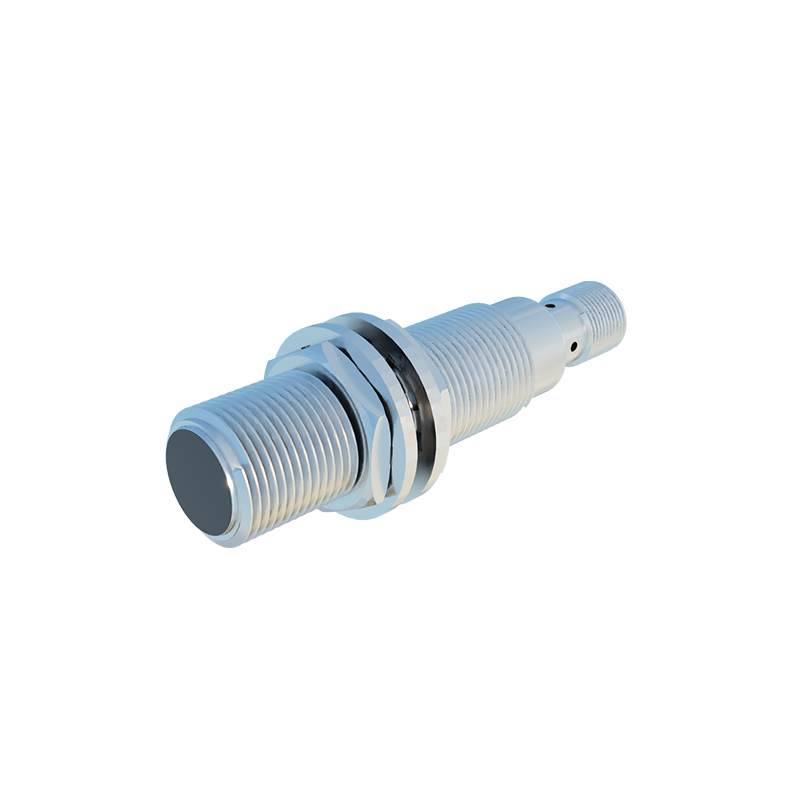
The widespread adoption of magnetic proximity switches stems from their numerous operational benefits. Their non-contact nature ensures an exceptionally long service life, as there is no mechanical wear from repeated actuation. They are capable of extremely high switching frequencies, often in the kilohertz range, making them ideal for counting or speed monitoring applications on fast-moving machinery. Furthermore, they are inherently resistant to environmental contaminants like dust, oil, and coolants. With proper housing, often made of nickel-plated brass or stainless steel, they achieve high ingress protection (IP) ratings, allowing reliable performance in washdown areas or outdoor settings. Their solid-state output provides a clean, bounce-free signal crucial for programmable logic controller (PLC) inputs.
Selection Criteria and Technical Specifications
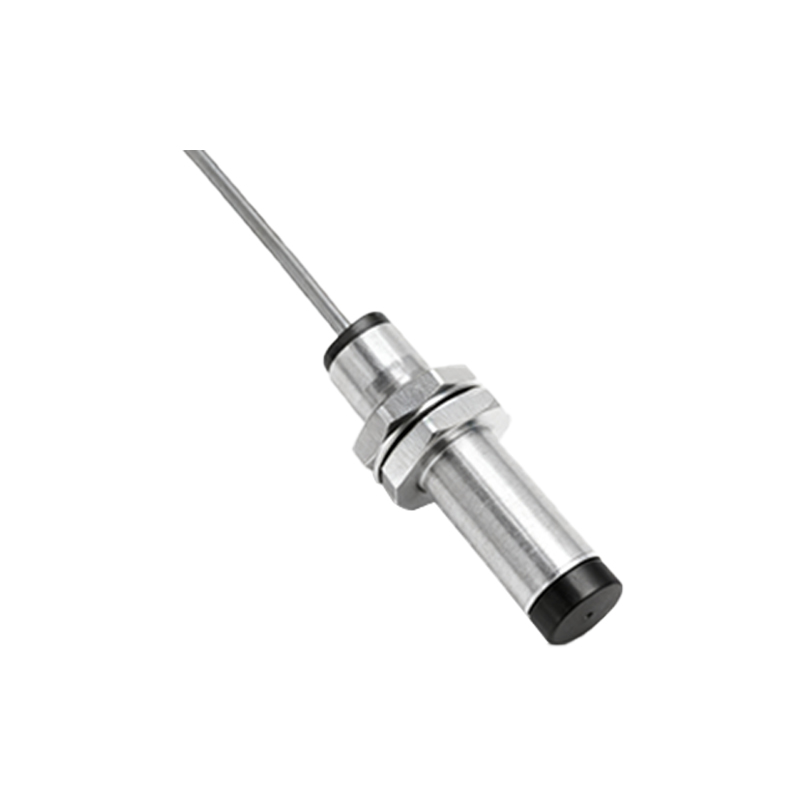
Choosing the correct magnetic proximity switch requires careful consideration of several parameters. The nominal sensing distance (Sn) is the primary specification, but engineers must also account for factors like temperature range, supply voltage (commonly 10-30V DC), output type (sourcing/NPN or sinking/PNP), and connection style (pre-wired cable or quick-disconnect). The target material is critical; standard sensors are calibrated for mild steel. For other metals like stainless steel, aluminum, or copper, a reduction factor must be applied, significantly decreasing the effective sensing range. Housing shape—barrel (cylindrical), rectangular, or ring-shaped—is selected based on mounting constraints. Additionally, the presence of a built-in LED status indicator is a valuable feature for diagnostics and setup.
Installation Considerations and Best Practices
Proper installation is paramount to achieving optimal performance and avoiding false triggers. A primary rule is to maintain adequate clearance between adjacent sensors to prevent mutual interference of their magnetic fields. Similarly, sensors must be mounted away from large metal structures or moving metal parts not intended as targets, as these can influence the sensing field. For flush-mountable barrel sensors, they can be installed level with a metal mounting surface without loss of sensing range. Non-flush models require a clear frontal area. Ensuring stable, clean power supply lines with proper shielding minimizes electrical noise interference. Regular maintenance, though minimal, should involve cleaning the sensor face to remove any metallic debris or thick grime that could attenuate the sensing field.
Common Applications Across Industries
The versatility of magnetic proximity switches finds them in virtually every sector of manufacturing and processing. In automotive assembly lines, they detect piston position in cylinders or confirm the presence of metal components. Packaging machinery uses them for label detection, cap placement verification, and product counting. In material handling, they provide position feedback for elevator floors, crane limits, and conveyor belt jams. Metalworking applications include tool breakage detection on CNC machines, monitoring spindle position, and part-in-place verification. Their robustness also makes them suitable for harsh environments like mining, forestry, and agricultural equipment, where they monitor rotational speed or implement position.
Troubleshooting and Diagnostic Tips
Despite their reliability, issues can arise. Common problems include failure to detect the target, constant activation, or intermittent operation. A