Understanding Proximity Sensor Technology
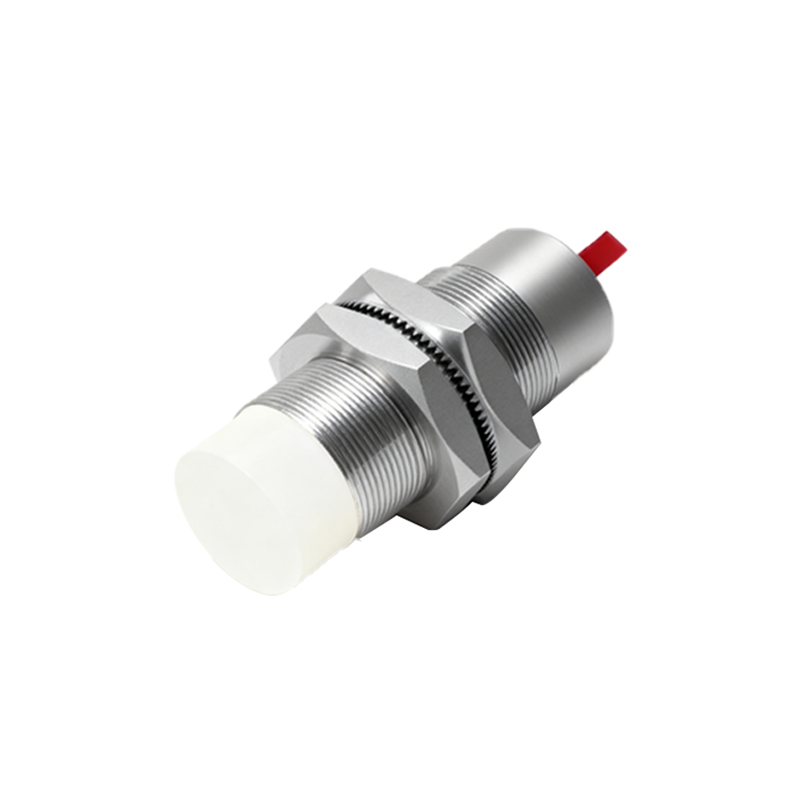
Proximity sensors are fundamental components in modern automation, detecting the presence or absence of an object within a specific range without physical contact. They operate on various principles, including inductive, capacitive, ultrasonic, and infrared (IR) technologies. Inductive sensors detect metallic objects, while capacitive sensors can sense both metallic and non-metallic materials. In the context of smart homes, passive infrared (PIR) sensors are particularly prevalent for motion detection, often forming the backbone of security and lighting automation systems. The core function remains consistent: to provide a reliable, contactless signal that can trigger a predefined action within a connected system.
The Role of Proximity Sensors in Smart Homes
Within a smart home ecosystem, proximity sensors act as the silent sentinels, enabling context-aware automation. Their applications are diverse and impactful. They can automatically turn on lights when a person enters a room, conserving energy when the space is vacant. In security setups, they can trigger alarms or send notifications upon detecting unexpected movement. They can pause a smart TV or audio system when a user walks away and resume playback upon return. Furthermore, in smart kitchens, sensors can detect the approach of a user to illuminate countertops or activate appliance displays. This seamless interaction enhances convenience, safety, and energy efficiency, making the home environment more responsive and intuitive.
Mi Home Ecosystem and Sensor Integration
The Mi Home ecosystem, developed by Xiaomi, is a comprehensive platform that seamlessly connects a wide array of smart devices through its central hub and mobile application. While the ecosystem famously includes smart bulbs, plugs, cameras, and appliances, its compatibility with various sensor technologies is a key strength. The platform supports Zigbee, Bluetooth Mesh, and Wi-Fi protocols, allowing for the integration of third-party and proprietary sensors. Although Xiaomi's Mi Home lineup may not always market standalone "proximity sensors" under that exact name, the functionality is deeply embedded within devices like the Mi Human Motion Sensor (a PIR-based device), door/window contact sensors (which can act as proximity triggers when configured), and even the sensors within robot vacuums for obstacle detection.
Technical Implementation and Configuration
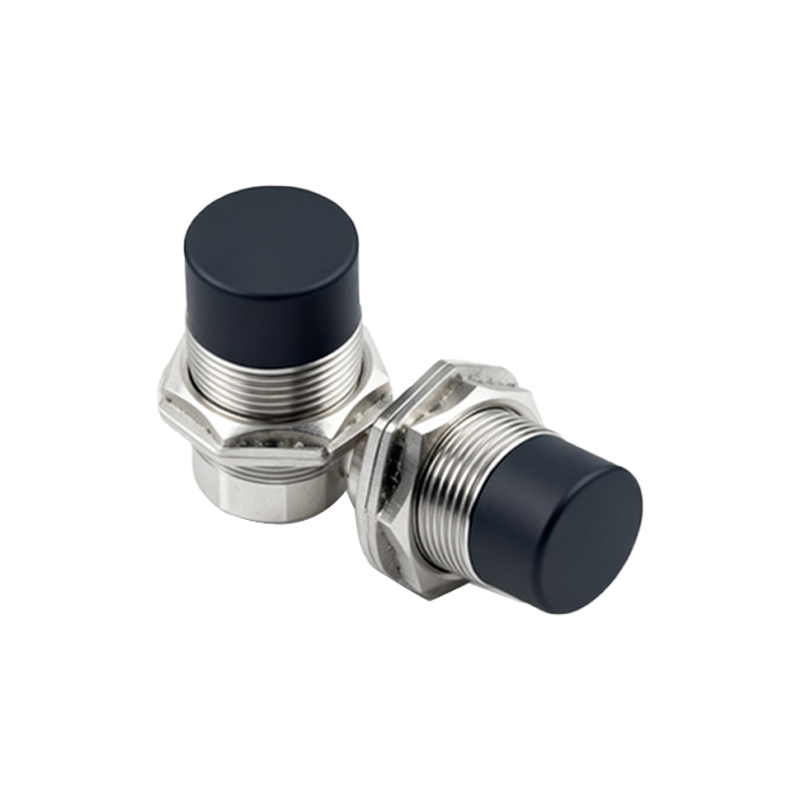
Integrating a proximity-sensing function within the Mi Home app typically involves adding a compatible sensor device to the network. The user pairs the device with the Mi Home hub or directly via Bluetooth/Wi-Fi. Within the app's automation section, often called "Scenes" or "Automations," users can create conditional rules. For example, a rule can be set: "If the Motion Sensor detects movement between sunset and sunrise, then turn on the Smart LED Bulb in the hallway for 5 minutes." This "if this, then that" logic is the cornerstone of creating proximity-triggered actions. Advanced configurations might involve multiple conditions, delays, and triggering multiple devices simultaneously, allowing for complex behaviors like turning on a pathway of lights as one moves through the house.
Advantages of Using Proximity Sensing in Mi Home
The primary advantage lies in creating a hands-free, automated environment that prioritizes user convenience and efficiency. Energy savings are significant, as lights and appliances operate only when needed. Security is enhanced through reliable motion-triggered alerts and recordings. The system also offers personalization; automation scenes can be tailored to individual routines. Furthermore, the Mi Home ecosystem's affordability and extensive device compatibility lower the barrier to entry for sophisticated home automation. The centralized control via a single app simplifies management, making it accessible even to users without deep technical expertise in electrical engineering.
Considerations and Best Practices
For optimal performance, correct sensor placement is critical. PIR motion sensors should be installed in corners with a broad field of view, avoiding direct sunlight or heat sources that cause false triggers. Understanding the sensor's range and detection pattern is essential. Network stability is another crucial factor; a robust Zigbee or Wi-Fi network ensures reliable communication between the sensor and the hub. Users should also consider sensor battery life and opt for devices with long-lasting batteries or low-power protocols like Zigbee. Finally, while automation is powerful, it is advisable to start with simple rules and gradually build complexity to ensure reliability and ease of troubleshooting.
Future Trends and Developments
The future of proximity sensing in smart homes like Mi Home points towards greater intelligence and miniaturization. Sensors will become more multi-modal, combining PIR with ultrasonic or time-of-flight (ToF) sensing for more accurate presence detection (distinguishing between a pet and a human) and even gesture recognition. Increased integration with Artificial Intelligence (AI) will enable predictive automation, where the system learns user patterns and anticipates actions. Furthermore,