Introduction to Proximity Sensing Technology
The evolution of smart devices and industrial automation has been fundamentally shaped by advancements in sensor technology. Among these, proximity sensors play a pivotal role in enabling touchless interaction, object detection, and power conservation. The 30Pro Proximity Light Sensor represents a significant leap in this domain, integrating high-precision optical components with sophisticated signal processing algorithms. This sensor is engineered to detect the presence or absence of an object within a defined range without physical contact, primarily by emitting an infrared (IR) light beam and measuring the reflection. Its design principles cater to the demanding requirements of modern consumer electronics, automotive systems, and IoT devices, where reliability, accuracy, and miniaturization are paramount.
Core Operational Principle of the 30Pro Sensor
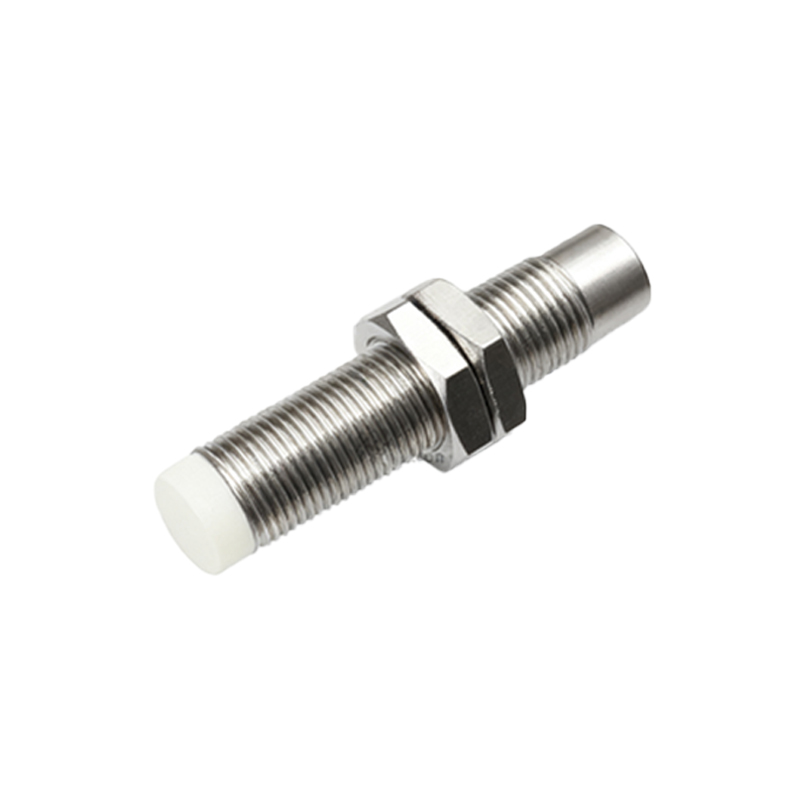
At its heart, the 30Pro operates on the principle of infrared light reflection. It contains an IR LED emitter and a dedicated photodiode receiver. The emitter constantly pulses an infrared light signal. When an object enters the sensor's detection field, this light is reflected back towards the photodiode. The intensity of the reflected light is inversely proportional to the square of the distance to the object. The 30Pro's integrated circuit (IC) features advanced ambient light rejection (ALR) technology, which filters out interference from environmental light sources like sunlight or room lighting. This ensures stable performance across varying lighting conditions. The sensor's analog front-end converts the photodiode's current into a digital signal, which is then processed to determine precise proximity data.
Key Technical Specifications and Performance Metrics
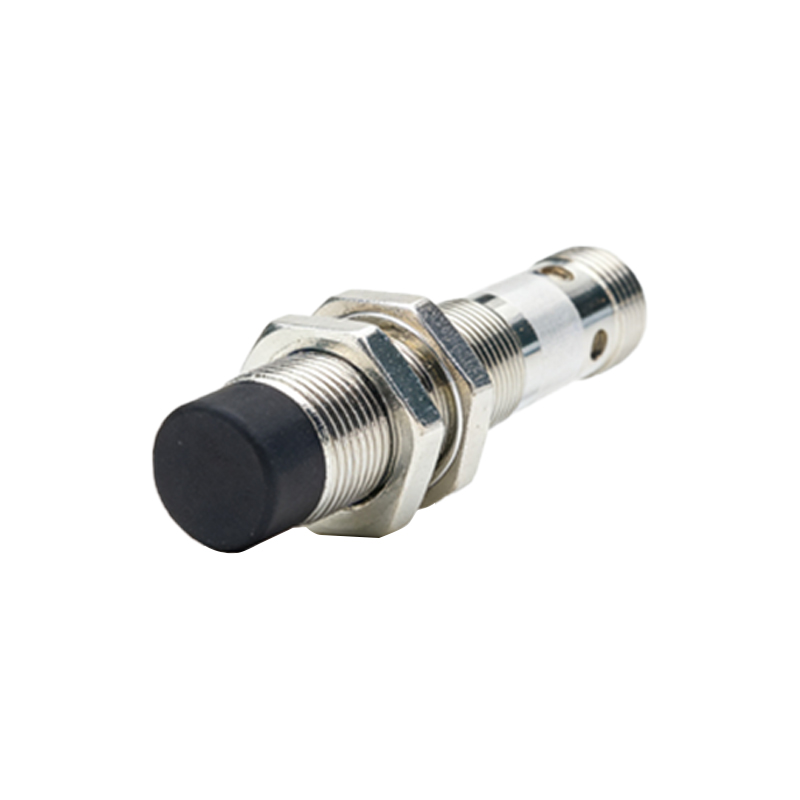
The 30Pro sensor is distinguished by its robust technical specifications. It typically offers a configurable detection range from a few millimeters up to 20 centimeters, with high resolution for short-range accuracy. Its response time is exceptionally fast, often in the millisecond range, enabling real-time interaction. The sensor operates on a low voltage supply, typically between 1.7V and 3.6V, making it ideal for battery-powered devices. It boasts an I2C or SPI digital interface for seamless communication with a host microcontroller. Furthermore, its package is ultra-compact, often in a chip-scale or surface-mount design, allowing for integration into space-constrained applications. Critical performance metrics include excellent cross-talk immunity, low power consumption in standby mode, and a wide operating temperature range from -40°C to +85°C.
Primary Applications in Industry and Consumer Electronics
The versatility of the 30Pro Proximity Light Sensor drives its adoption across diverse sectors. In smartphones and tablets, it is indispensable for screen blanking during calls, preventing accidental touch inputs. In laptops, it enables features like wake-on-approach. The automotive industry utilizes it for touchless control panels, gesture recognition for infotainment systems, and occupancy detection. Within industrial automation, it is deployed for object counting, level detection, and as a safety interlock in machinery. IoT devices leverage its low-power traits for presence detection to trigger alerts or activate systems, enhancing energy efficiency in smart homes and buildings.
Integration Challenges and Design Considerations
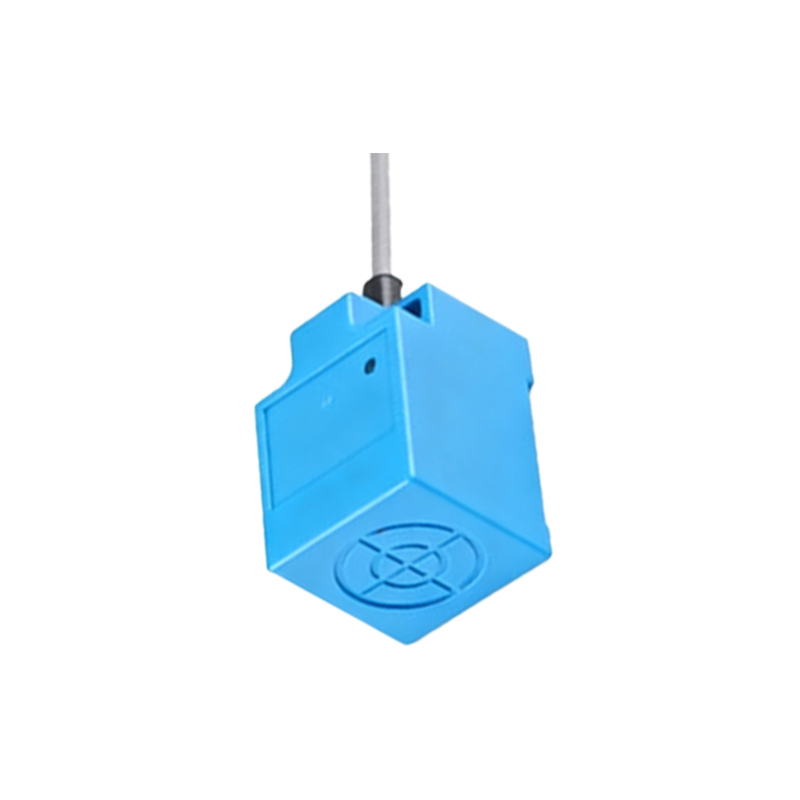
Successful integration of the 30Pro sensor requires careful design considerations. Optical design is crucial; the placement of the IR emitter and receiver, along with the lens or window material, must be optimized to define the detection zone and minimize internal reflections. The sensor window must be kept clean, as dust or grease can severely attenuate the IR signal. Electrical design must account for stable power supply filtering to reduce noise. Firmware developers must implement proper calibration routines to account for component tolerances and environmental factors. Additionally, designers must consider potential optical interference from other nearby IR sources and implement software algorithms for debouncing and threshold setting to ensure reliable object detection.
Future Trends and Conclusion
The future trajectory for sensors like the 30Pro points towards greater integration, intelligence, and miniaturization. We anticipate the convergence of proximity sensing with other modalities such as ambient light sensing (ALS) and time-of-flight (ToF) in single, multi-function packages. Advances in machine learning will allow these sensors to not only detect presence but also classify objects or gestures with higher accuracy. As the demand for intuitive human-machine interfaces and energy-efficient systems grows, the role of high-performance, reliable proximity sensors will only expand. The 30Pro Proximity Light Sensor, with its balanced performance characteristics, stands as a key enabling component in this ongoing technological evolution, bridging the gap between digital systems and the physical world.