Introduction to Photoelectric Sensors
Photoelectric sensors are indispensable components in modern industrial automation, providing non-contact detection of objects, distances, and surface conditions. They operate by emitting a light beam (visible, infrared, or laser) and detecting changes in the received light intensity. Their applications span across packaging, material handling, automotive assembly, and food & beverage industries, offering high precision, reliability, and fast response times. Choosing the right manufacturer is critical for system performance, longevity, and total cost of ownership. This ranking evaluates companies based on their technological innovation, product portfolio breadth, global support network, and industry reputation.
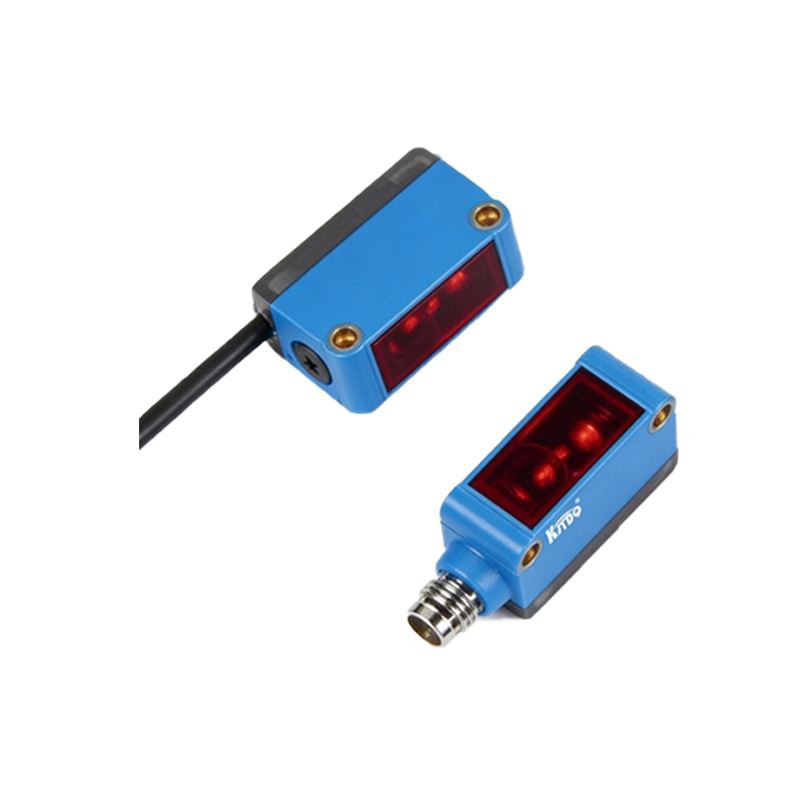
Evaluation Criteria for Manufacturers
Several key factors distinguish leading photoelectric sensor manufacturers. Technological leadership is paramount, encompassing advancements in sensing distance, background suppression, environmental resistance (to dust, water, and chemicals), and smart features like IO-Link connectivity. Product range diversity is another critical measure, including diffuse, retro-reflective, through-beam, and specialized sensors for clear object or color detection. Furthermore, a robust global distribution and technical support system ensures minimal downtime for clients. Finally, proven reliability in harsh industrial environments and strong customer feedback solidify a manufacturer's standing in the market.
1. Keyence Corporation
Keyence consistently ranks at the forefront due to its relentless innovation and high-performance products. Their photoelectric sensor lineup, such as the PZ-G and FS-N series, is renowned for exceptional sensing stability, ultra-long detection ranges, and advanced features like precise background suppression and multi-point teaching. Keyence provides extensive application support and demonstration tools, making them a preferred choice for complex and demanding automation tasks, albeit often at a premium price point.
2. Omron Corporation
Omron offers one of the industry's most comprehensive and reliable portfolios. Their E3Z and E3JM series are global standards for durability and performance. Omron excels in providing robust sensors with excellent noise immunity and environmental ratings (IP67/IP69K). With a strong focus on factory automation solutions and seamless integration with their PLCs and safety devices, Omron delivers exceptional value and is a trusted partner for large-scale manufacturing lines.
3. Sick AG
As a German sensor specialist, Sick is synonymous with precision, quality, and ruggedness. Their photoelectric sensors, including the WTT and W4 series, are engineered for extreme conditions in logistics, automotive, and heavy industry. Sick pioneers technologies like High Resolution Scanning and innovative housing designs for easy alignment. Their products are known for outstanding longevity and accuracy, making them a top-tier choice for mission-critical applications.
4. Banner Engineering
Banner Engineering is a powerhouse in the North American market, celebrated for its user-friendly, innovative, and cost-effective solutions. Their QS18 and EZ-BEAM series are incredibly popular for their simplicity, reliability, and visible red or laser beams for easy setup. Banner frequently introduces novel form factors and features, such as fully potted electronics for washdown environments, catering superbly to packaging and material handling sectors.
5. Rockwell Automation (Allen-Bradley)
Rockwell Automation, through its Allen-Bradley brand, provides photoelectric sensors that are deeply integrated into its broader control and information architecture. Their 42AF and 45AF RightSight sensors are designed for easy integration with Logix controllers via integrated motion on Ethernet/IP. This synergy offers superior diagnostics, simplified wiring, and reduced commissioning time, ideal for customers heavily invested in the Rockwell ecosystem.
6. Pepperl+Fuchs
Pepperl+Fuchs is a global leader in intrinsic safety and sensor technology for hazardous areas. Their photoelectric sensor range is exceptionally robust, with many models certified for use in explosive atmospheres (ATEX, IECEx). Beyond hazardous locations, their standard R10x and ML series offer high quality, reliability, and innovative functions like teach-in via a button or remote input, serving process and factory automation with distinction.
7. Balluff GmbH
Balluff stands out for its high-quality sensors and pioneering work in industrial identification and networking. Their photoelectric sensors, such as the BOS series, are compact, versatile, and often feature IO-Link for advanced parameter setting and condition monitoring. Balluff's strength lies in providing smart sensor solutions that feed valuable data into higher-level systems for predictive maintenance and Industry 4.0 applications.
8. Panasonic Corporation
Panasonic offers a vast array of cost-competitive and reliable photoelectric sensors. Their CX-400 and PM series provide excellent performance for general-purpose applications. Panasonic is known for good value, consistent quality, and a wide selection of form factors, making them a solid choice for high-volume OEM applications and standard automation tasks where budget is a key consideration.
9. Schneider Electric (Telemecanique Sensors)
Schneider Electric, under its Telemecanique Sensors brand, delivers a reliable range of photoelectric sensors designed for integration within its EcoStruxure architecture. Their XU and XUB series sensors are durable, easy to install, and offer good performance for a variety of material detection tasks. Schneider's global presence and bundling with other automation components provide a convenient one-stop-shop for many system integrators.
10. IFM Electronic
IFM Electronic rounds out the list with its focus on simplicity, diagnostic capabilities, and system integration. Their photoelectric sensors are designed for easy mounting and alignment, with many models featuring built-in indicators for signal strength and switching status. IFM strongly promotes IO-Link across its portfolio, enabling easy configuration and integration into control networks for efficient data acquisition and process optimization.
Future Trends and Selection Guidance
The future of photoelectric sensors is increasingly smart and connected. Integration of IO-Link for digital communication, enhanced diagnostics, and predictive maintenance capabilities is becoming standard. Miniaturization and increased robustness for harsh environments continue to be key development areas. When selecting a manufacturer, engineers must balance technical specifications (sensing range, response time, housing material) with application needs, environmental challenges, network compatibility, and total lifecycle costs. Partnering with a manufacturer that offers strong local technical support can significantly impact project success and operational efficiency.