Introduction to NPN Proximity Sensors
Proximity sensors are essential components in industrial automation, detecting the presence or absence of objects without physical contact. Among these, NPN-type sensors are widely used due to their compatibility with common logic systems. These sensors typically feature three wires: brown, blue, and black. The brown wire plays a critical role in the sensor's operation, serving as the positive supply line. Understanding its function and proper wiring is crucial for ensuring reliable performance in applications ranging from conveyor systems to robotic assemblies.
Function of the Brown Wire
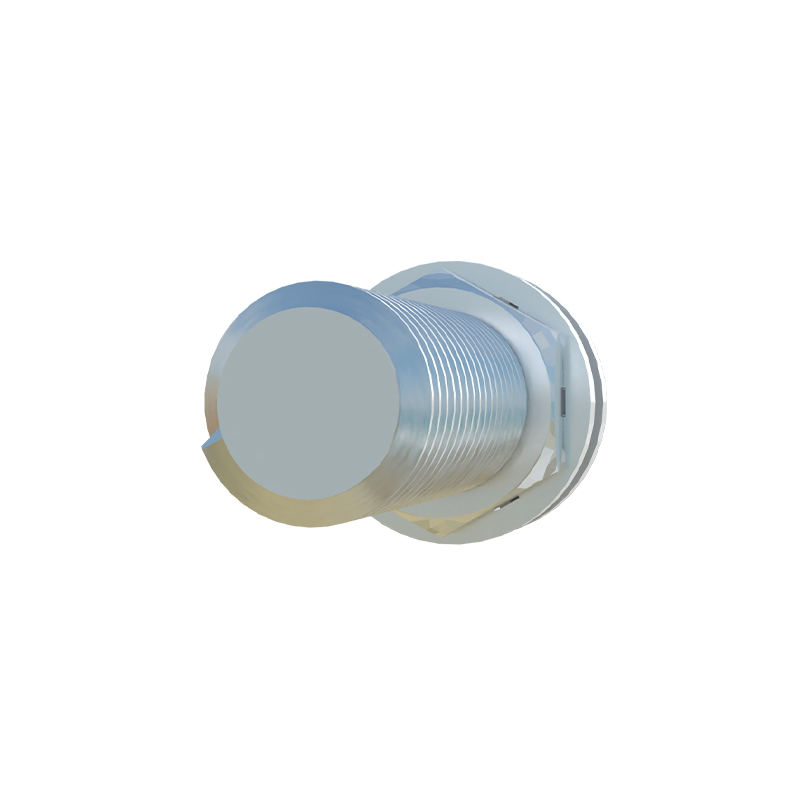
The brown wire in an NPN proximity sensor is designated for the positive voltage supply, usually connected to a DC power source ranging from 10 to 30 volts. This wire provides the necessary power for the sensor's internal circuitry, enabling it to generate an electromagnetic field for detection. When an object enters the sensing range, the sensor's output (via the black wire) switches, but this action is dependent on the stable power delivered through the brown wire. Incorrect connections, such as reversing brown and blue wires, can lead to sensor failure or damage, emphasizing the importance of adhering to color-coding standards.
Wiring Configuration and Standards
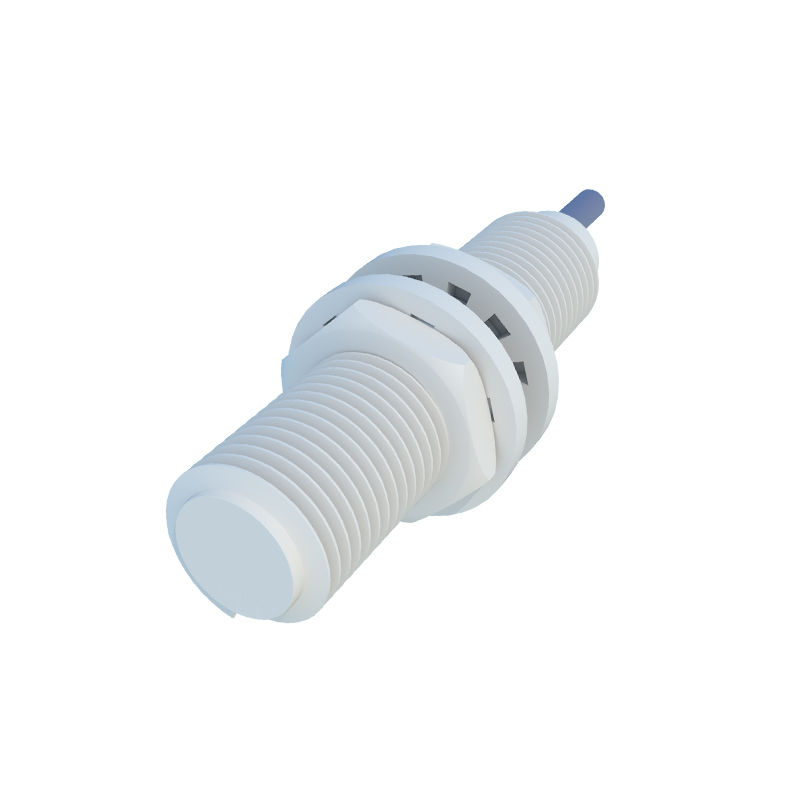
In accordance with international standards like IEC 60947-5-2, the brown wire is consistently used for the positive supply in DC sensors. A typical wiring setup involves connecting the brown wire to the positive terminal of the power supply, the blue wire to the negative or ground terminal, and the black wire to the load (e.g., a PLC input). This configuration ensures that the NPN sensor acts as a sinking device, where the output switches the ground path. Engineers must verify voltage ratings and polarity during installation to prevent operational issues, as mismatched wiring can disrupt entire control systems.
Common Applications and Benefits
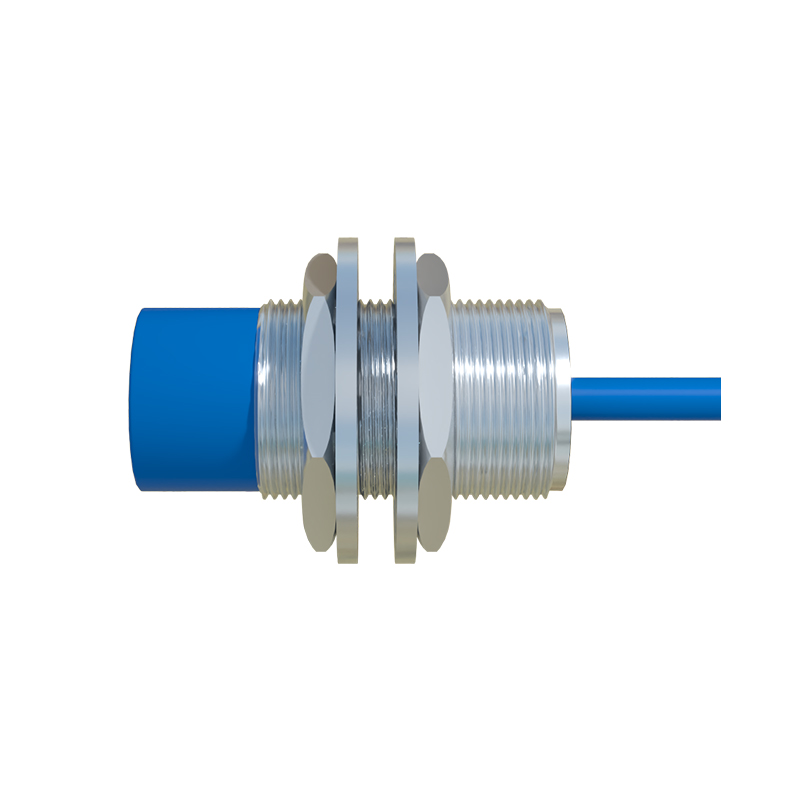
NPN proximity sensors with brown wiring are prevalent in manufacturing environments due to their efficiency and safety. They are often employed in counting mechanisms, position detection, and limit switching. The use of a standardized brown wire simplifies maintenance and reduces downtime, as technicians can quickly identify the power line. Additionally, these sensors offer fast response times and durability in harsh conditions, such as exposure to dust or moisture. By ensuring proper brown wire connections, systems achieve higher accuracy and longevity, minimizing errors in automated processes.
Troubleshooting Brown Wire Issues
Problems related to the brown wire can manifest as sensor non-response or intermittent operation. To diagnose, first check for loose connections or corrosion at the brown wire terminal. Use a multimeter to confirm that the voltage at the brown wire matches the sensor's specifications—typically 12V or 24V DC. If the voltage is absent or low, inspect the power supply and wiring for faults. Also, ensure no short circuits exist between the brown wire and other conductors. Regular preventive maintenance, including visual inspections and testing, helps avoid unexpected failures and extends sensor life.
Conclusion and Best Practices
The brown wire in NPN proximity sensors is fundamental to their operation, providing the positive supply needed for reliable object detection. Adhering to wiring standards and understanding its role enhances system performance and safety. Always consult the sensor's datasheet for specific requirements, and implement proper labeling during installation. By prioritizing correct brown wire handling, engineers can optimize industrial automation setups, ensuring seamless integration and reduced operational risks. As technology evolves, this knowledge remains a cornerstone of effective electrical engineering practices.