Introduction to S8 Proximity Sensor Operation
The S8 series of inductive proximity sensors represents a cornerstone of modern industrial automation. These robust, non-contact devices are engineered to detect the presence or absence of metallic objects with high reliability and speed. Operating on the principle of electromagnetic induction, an S8 sensor generates a high-frequency oscillating electromagnetic field from its active face. When a conductive metal target enters this detection field, eddy currents are induced within the target. This action dampens the oscillation within the sensor's internal LC tank circuit. The sensor's sophisticated electronics monitor this amplitude change, triggering a solid-state switching output. This fundamental operation makes them indispensable for tasks like position verification, counting, and end-of-travel detection in machinery, where mechanical limit switches would fail due to wear.
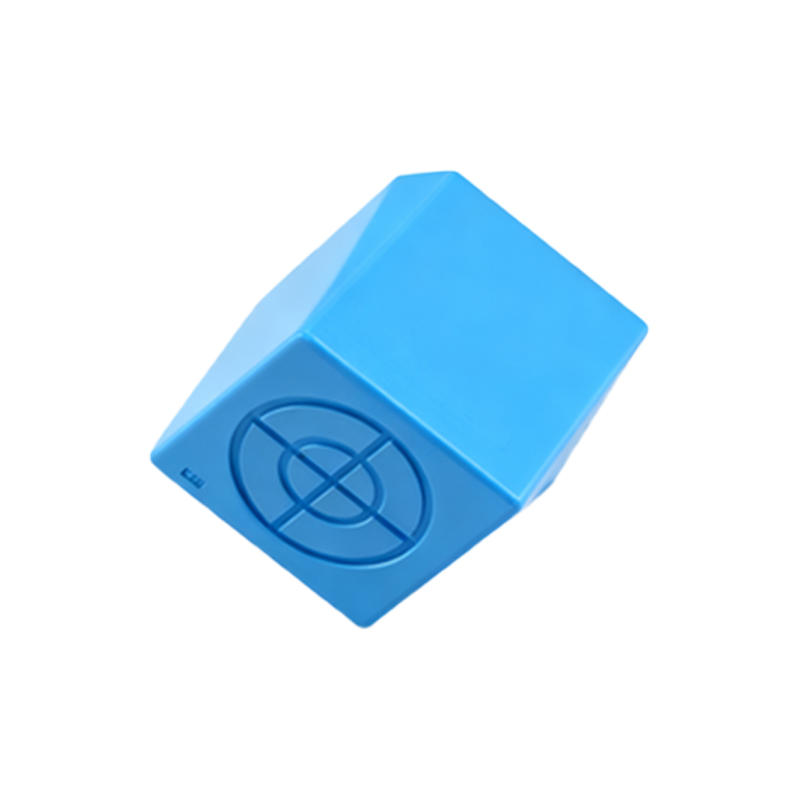
Common Causes of Sensor Blockage or False Triggering
A blockage or persistent "on" state in an S8 proximity sensor, often misinterpreted as the sensor being "blocked," typically indicates an underlying issue preventing normal operation. The most frequent culprit is the accumulation of metallic swarf, dust, or fine particles on the sensor's active face. In machining environments, ferrous powders can adhere to the sensing surface, effectively becoming a permanent target that fools the sensor into a constant triggered state. Another common cause is sensor misalignment or improper mounting. If the sensor is mounted too close to a moving metal part of the machine itself, such as a bracket or guard, it may perceive this as the target. Environmental factors like extreme temperatures, strong electromagnetic interference from nearby motors or welders, and physical damage to the sensor housing or cable can also lead to erratic behavior, mimicking a blockage.
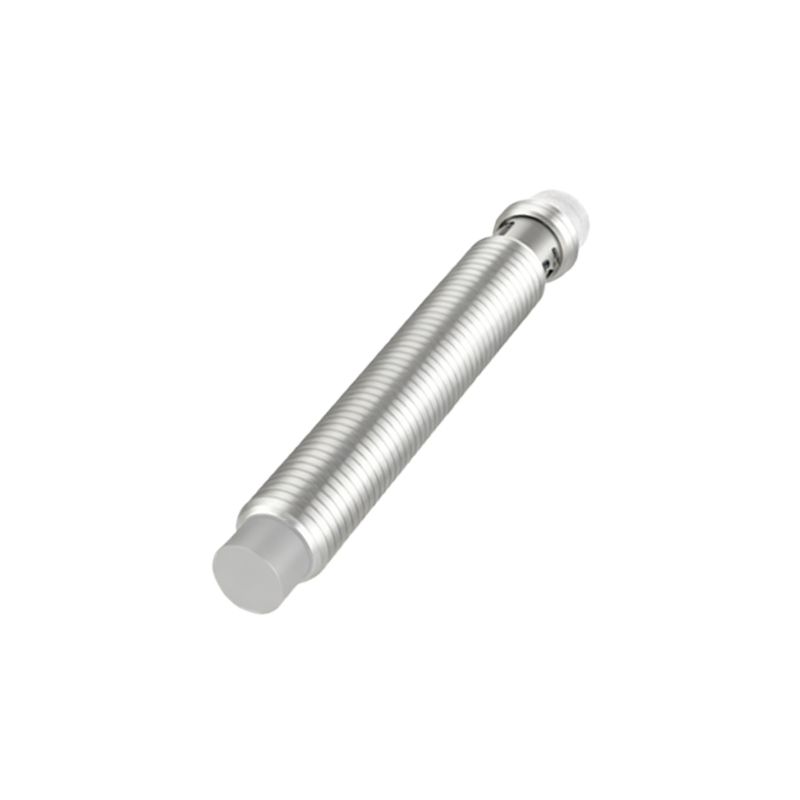
Step-by-Step Diagnostic Procedure
Systematic troubleshooting is essential to resolve an S8 sensor blockage efficiently. First, initiate a visual inspection. Power down the equipment following lockout-tagout (LOTO) procedures. Examine the sensor's face for any buildup of metallic debris, oil, or coolant residue. Clean the face meticulously with a soft, non-abrasive cloth and a non-corrosive solvent. Next, verify the installation. Check the sensor's mounting distance and alignment relative to its intended target, consulting the datasheet for the correct nominal sensing distance (Sn) and ensuring the target material and size are within specifications. With power restored safely, use a multimeter to check the output. Simulate target presence with a standard metal test piece. A functioning sensor should show a clear change in voltage or current at its output terminals. If possible, swap the sensor with a known-good unit from a similar application to isolate the fault to the sensor itself or the wiring/controller.
Preventive Maintenance and Best Practices
Preventing blockages and failures extends the service life of S8 sensors and improves overall line reliability. Implement a regular cleaning schedule for sensors in dirty environments. Consider installing protective accessories, such as plastic or non-metallic shrouds and covers, specifically designed to shield the active face from direct exposure to contaminants while allowing the magnetic field to pass. Ensure correct sensor selection for the application; for instance, in areas with heavy metallic dust, a sensor with a flush-mounting capability or a reduced sensing range might be less susceptible to buildup. Proper cable management is critical—secure cables in conduit or cable carriers away from sharp edges, moving parts, and high-temperature zones to prevent insulation damage and wire breakage. Finally, maintaining stable power supply conditions within the sensor's rated voltage range prevents electrical stress on internal components.
Advanced Considerations and Sensor Selection
When persistent issues occur, reevaluating the sensor type may be necessary. The standard S8 inductive sensor is tuned for mild steel. For applications involving different metals like aluminum, copper, or stainless steel, the effective sensing distance is reduced. Specifying a factor-1 (all-metal) sensor or a sensor with a correction factor suited to the target material can solve detection reliability problems. In environments with simultaneous presence of multiple metals or extreme contamination, capacitive proximity sensors or even ultrasonic sensors might be more appropriate alternatives. Furthermore, modern S8 variants come with advanced features like IO-Link communication, which provides detailed diagnostic data (operating hours, temperature warnings, signal strength) directly to the PLC, enabling predictive maintenance and pinpointing issues before they cause a blockage or machine stop.
Conclusion and Key Takeaways
An S8 proximity sensor appearing "blocked" is a symptom with multiple potential causes, ranging from simple contamination to complex application mismatches. A methodical approach—encompassing inspection, cleaning, electrical verification, and environmental assessment—is paramount for effective resolution. Adherence to installation guidelines and a proactive preventive maintenance regimen are the most effective strategies to minimize downtime. Understanding