Introduction to HP Photoelectric Sensors
In the realm of industrial automation, photoelectric sensors are indispensable components for detecting the presence, absence, or position of objects without physical contact. Hewlett-Packard (HP), a brand historically synonymous with computing and printing, has also made significant contributions to sensor technology through its legacy components. HP photoelectric sensors are engineered to deliver high precision, durability, and reliability in diverse operational environments. These sensors utilize light beams, typically infrared, visible red, or laser, to interact with target objects, making them ideal for applications ranging from manufacturing lines to packaging systems. By emitting light and measuring the reflection or interruption, HP sensors provide accurate data that drives automated processes, reduces downtime, and enhances efficiency. Their design often incorporates advanced optics and electronics to ensure consistent performance even in challenging conditions like dust, moisture, or variable lighting.
Key Features of HP Photoelectric Sensors
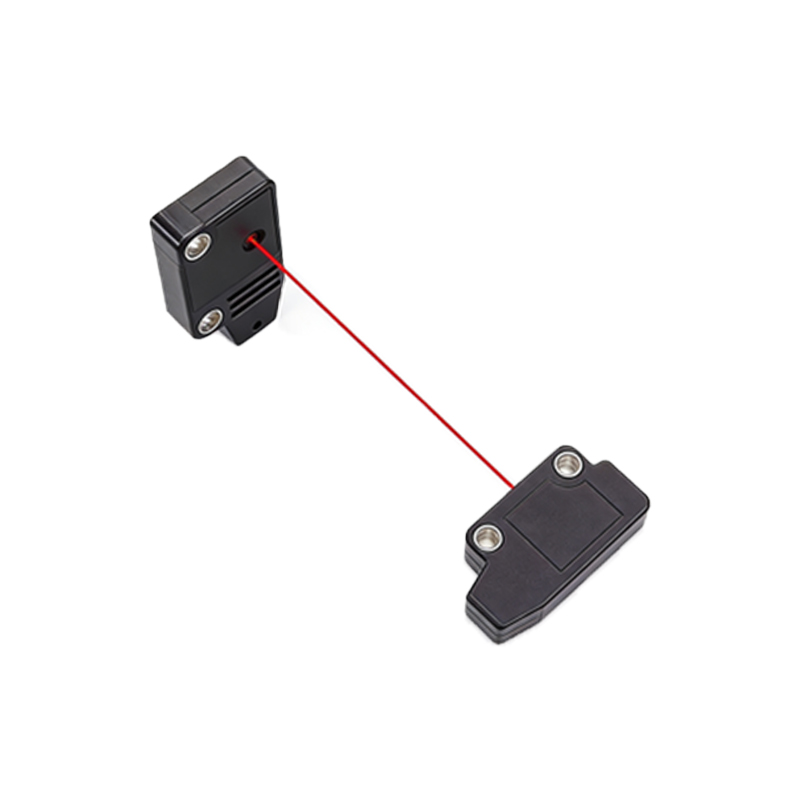
HP photoelectric sensors are distinguished by several core features that cater to industrial needs. First, they offer high sensing ranges, with some models capable of detecting objects from several meters away, thanks to focused light sources and sensitive receivers. This makes them suitable for large-scale installations where distance is a factor. Second, these sensors exhibit excellent response times, often in the millisecond range, enabling rapid detection in high-speed production lines without lag. Third, HP emphasizes robustness, with housings typically made from materials like stainless steel or rugged plastics that resist corrosion, impact, and environmental stressors. Additionally, many HP sensors include adjustable sensitivity settings, allowing users to fine-tune detection thresholds to avoid false triggers from background interference. Connectivity options, such as analog outputs or digital interfaces like IO-Link, facilitate seamless integration into broader control systems, supporting Industry 4.0 initiatives.
Applications in Industrial Settings
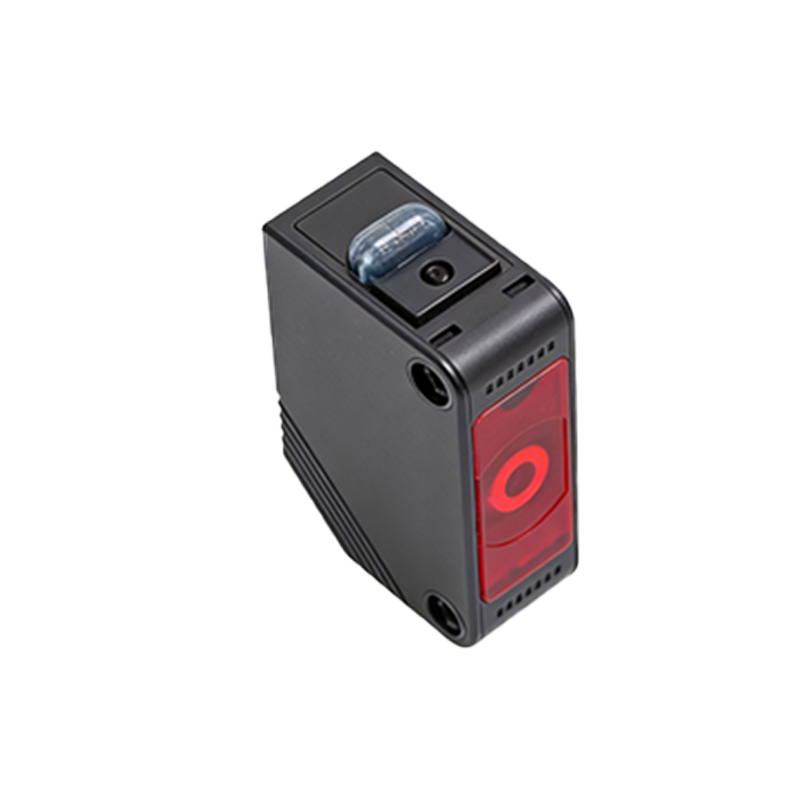
The versatility of HP photoelectric sensors makes them applicable across various industries. In automotive manufacturing, they are used for part positioning on assembly lines, ensuring components like bolts or panels are correctly placed before robotic welding. In packaging, sensors detect labels, count items on conveyors, or verify fill levels in containers, maintaining quality control and throughput. Logistics and warehousing benefit from HP sensors in automated guided vehicles (AGVs) for obstacle avoidance and inventory tracking via barcode scanning. Furthermore, in food and beverage processing, where hygiene is critical, HP offers washdown-resistant models that withstand frequent cleaning without degradation. These sensors also play a role in safety systems, such as light curtains that protect workers by halting machinery when a beam is interrupted. By providing non-contact detection, they minimize wear and tear, reducing maintenance costs over time.
Comparison with Other Sensor Types
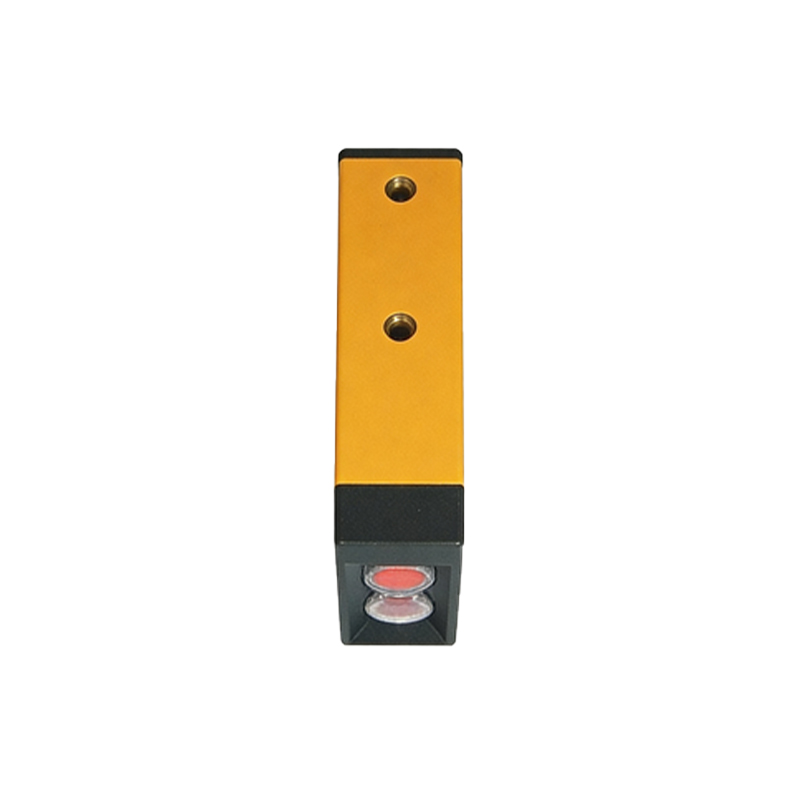
When compared to alternative sensing technologies like inductive or capacitive sensors, HP photoelectric sensors offer distinct advantages. Inductive sensors are limited to detecting metallic objects, whereas photoelectric sensors can identify a wide range of materials, including plastics, glass, and liquids, making them more versatile. Capacitive sensors, while useful for non-metallic substances, often have shorter ranges and can be affected by environmental factors like humidity. HP photoelectric models excel in long-range detection and are less influenced by material composition, though they may require careful alignment and can be sensitive to ambient light in some cases. To mitigate this, HP incorporates features like modulated light signals that filter out interference. In terms of cost, photoelectric sensors are generally mid-range, offering a balance between performance and affordability, especially for complex detection tasks where other sensors fall short.
Maintenance and Best Practices
To ensure optimal performance and longevity of HP photoelectric sensors, regular maintenance and proper installation are crucial. Start by keeping lens surfaces clean from dust, oil, or debris that could scatter or block light beams, using soft cloths and appropriate cleaners. Periodically check alignment, as vibrations or mechanical shifts can misalign emitter and receiver units, leading to detection failures. It's also advisable to monitor environmental conditions; for instance, in high-temperature areas, verify that sensors operate within their specified temperature ranges to prevent overheating. When integrating sensors, use shielded cables to reduce electrical noise and follow manufacturer guidelines for wiring to avoid short circuits. Additionally, leverage diagnostic features available in some HP models, such as LED indicators that signal operational status or faults. By adhering to these practices, users can maximize sensor lifespan and maintain consistent automation processes.
Future Trends and Innovations
The evolution of HP photoelectric sensors is aligned with broader trends in industrial automation, including smart manufacturing and IoT connectivity. Future iterations may incorporate enhanced intelligence, such as built-in processors for edge computing that enable sensors to analyze data locally and make real-time adjustments without central controller intervention. Advances in light source technology, like brighter LEDs or laser diodes, could extend sensing ranges and improve accuracy for smaller objects. HP might also develop more compact designs to fit into space-constrained applications while increasing energy efficiency. Integration with wireless protocols could simplify installation and enable remote monitoring via cloud platforms. As industries demand higher precision and adaptability, HP photoelectric sensors are poised to evolve, supporting autonomous systems and contributing to sustainable operations through reduced waste and energy consumption.